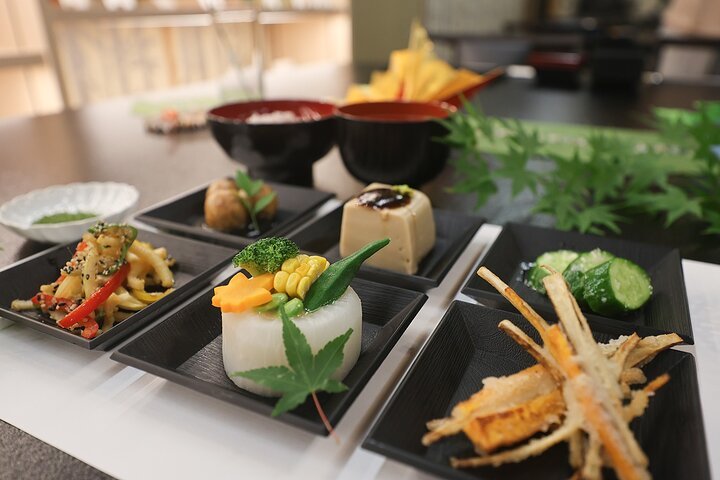
You do not need to be a vegetarian to appreciate Shojin Ryori. This traditional Zen Buddhist cuisine is an essential culinary experience when visiting Japan’s ancient capital. Discover the best temple dining spots in Kyoto below.
What is Shojin Ryori?
Long before the famous kaiseki haute cuisine existed, there was Shojin Ryori. This is the traditional 100% plant-based diet developed by Zen Buddhist monks. It is an elaborate, seasonal, multi-course meal that highlights the incredible versatility of plant ingredients, particularly soybeans in the form of tofu, yuba (tofu skin), and miso.
The philosophy behind the food is rooted in mindfulness, harmony with nature, and strict avoidance of meat, fish, and alliums (like garlic and onions). The meals are deeply flavorful, substantial, and designed to nourish the body without leaving you feeling heavy or bloated. Even devoted meat-eaters often find themselves inspired to eat more greens after experiencing it.
The Temple Dining Experience
Because of its monastic origins, the majority of Shojin Ryori restaurants in Kyoto are located within the serene grounds of actual Zen temples. This offers a massive advantage for travelers: you get to explore a beautiful, historic temple and enjoy a world-class meal in one trip.
Dining typically takes place in traditional tatami-mat rooms overlooking meticulously landscaped Japanese gardens. While it is a spiritual practice for monks, for visitors, it is a profound cultural immersion. Prices generally fall into the mid-range to high-end category, making it a perfect choice for a special occasion or a memorable culinary highlight.
Top Shojin Ryori Restaurants
Shigetsu (Arashiyama; mid-range) Located directly inside the grounds of Tenryu-ji, a UNESCO World Heritage site, Shigetsu is the ultimate place to try authentic Buddhist cuisine. The restaurant offers stunning views of the temple’s famous landscape garden, making every bite of their traditional, seasonal tofu and vegetable dishes feel like a spiritual experience.
Izusen Daiji-in (Central Kyoto; mid-range) Seeking a vegan meal in breathtaking surroundings? Head to Izusen, located within the massive Daitoku-ji temple complex. They are renowned for their gorgeous, elaborate multi-course lunches that change with the seasons. The peaceful, historic atmosphere makes it a standout highlight of any Kyoto itinerary.
Ajiro Honten (Central Kyoto; mid-range to expensive) Whether you are vegan or not, serious foodies must visit Ajiro Honten near Myoshin-ji Temple. They serve gorgeously prepared, multi-course Buddhist meals that have earned them Michelin recognition. Famous for being one of the longest-running vegan restaurants in the city, they elevate simple temple ingredients into high culinary art.
Daitokuji Ikkyu (Central Kyoto; expensive) For a deeply historical dining experience, look no further than Daitoku-ji Ikkyu. Operating for over 500 years, it is the oldest existing Shojin Ryori restaurant in Kyoto. The multi-course meals here are deeply traditional, reflecting centuries of unbroken Zen culinary philosophy in a stunning, tranquil setting.
Yoshuji (Kurama; mid-range) Located in the lush, mountainous village of Kurama (famous for its hot springs and temple hikes), Yoshuji is the absolute best place to eat in the area. You can choose between their full, traditional Buddhist vegetarian sets or opt for simpler, comforting bowls of temple noodles. It offers a more relaxed, rustic vibe compared to downtown temple dining.
FAQs
Is Shojin Ryori completely vegan?
Yes, traditional Shojin Ryori is 100% vegan. It strictly excludes all meat, fish, and seafood. Additionally, it avoids strong-smelling vegetables like garlic, onions, and leeks, relying instead on seasonal vegetables, wild mountain plants, seaweed, and soy products for flavor.
What is the difference between Shojin Ryori and Kaiseki?
Shojin Ryori is strictly vegetarian monastic food designed for spiritual practice. Kaiseki evolved from Shojin Ryori and the tea ceremony, but it is secular haute cuisine. While Kaiseki focuses on seasonal aesthetics and high-end preparation, it frequently includes meat, fish, and seafood, whereas Shojin Ryori never does.
Do I need to make reservations for temple dining in Kyoto?
Yes, absolutely. Because Shojin Ryori restaurants are often located inside active temples and have limited seating in traditional rooms, they book up quickly. It is highly recommended to reserve your meal days or even weeks in advance, especially during peak tourist seasons.
How much does a Shojin Ryori meal cost?
Prices vary depending on the temple and the number of courses. A standard lunch set usually costs between ¥3,000 and ¥5,000 ($20 to $35 USD), while elaborate, multi-course premium dinners can range from ¥10,000 to over ¥20,000 ($70 to $140+ USD) per person.
Can I eat Shojin Ryori if I am not Buddhist?
Absolutely. While the food has deep religious roots, temple restaurants welcome everyone. It is viewed as a cultural and culinary experience, and you do not need to participate in any religious rituals to enjoy the meal or the beautiful temple grounds.