Every culture has its own beloved version of the dumpling, but in Japan, this culinary staple is the legendary gyoza. While gyoza originally evolved from the Chinese “jiaozi,” it has been completely transformed into a uniquely Japanese comfort food that is wildly popular and ubiquitous across the country. Often served as a savory appetizer, a side dish to rich ramen, or even the star of the show at specialized dumpling bars, gyoza is an absolute must-try when visiting Kyoto.
Why Authentic Kyoto Gyoza is a Must-Try
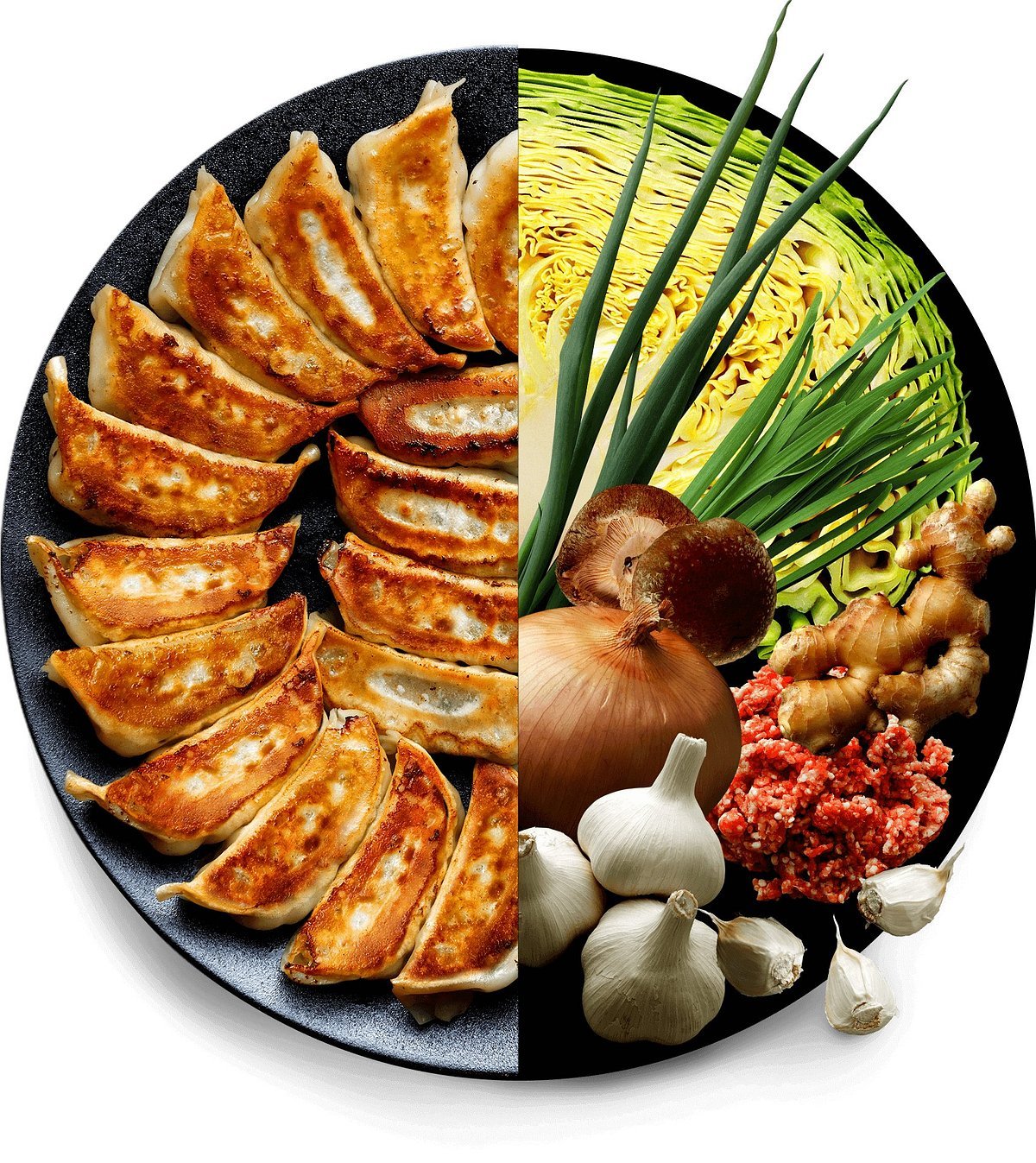
In their most famous and common incarnation as yaki gyoza (pan-fried dumplings), these bite-sized delights are filled with a perfectly seasoned, juicy mixture of ground pork, cabbage, garlic, ginger, and nira (garlic chives). They are pan-fried in a skillet until the bottom forms a shatteringly crisp, golden-brown crust, while the top is simultaneously steamed to a tender, succulent finish.
However, the world of Japanese dumplings extends far beyond the standard pan-fried version. You will discover incredible variations across the city: sui gyoza (boiled and served in a delicate, umami-rich broth), age gyoza (deep-fried until piping hot and extra crispy), and even modern fusion styles. The fillings are limited only by the chef’s imagination, featuring premium shrimp, tender chicken, melted cheese, and even seasonal Kyoto vegetables. We love that gyoza is incredibly tasty, highly affordable, and perfectly pairs with a cold beer or sake. Here are the absolute best places to satisfy your dumpling cravings in Kyoto.
Top Rated Gyoza Restaurants in Kyoto
Here is our curated list of the finest, most highly recommended gyoza spots in the city that you need to check out.
Tiger Gyoza Kawaramachi
Downtown Variety and Chain Excellence
We never believe in being snobby about chain restaurants, especially in Japan where many corporate chains serve exceptionally high-quality, consistent food. Tiger Gyoza Kawaramachi, located in the bustling downtown core, is a prime example. This vibrant, lively restaurant allows you to eat a massive variety of fantastic dumplings all under one roof. Whether you crave the classic pan-fried pork, comforting boiled dumplings in soup, ultra-crispy deep-fried versions, or plant-based vegetarian options, this highly accessible spot has it all. It is incredibly spacious, making it a perfect, stress-free choice for families and large groups.
Gyoza Hohei Gion
Garlicky Dumplings in the Geisha District
Located smack in the middle of the historic, lantern-lit geisha district of Gion, Gyoza Hohei is a legendary local favorite. This bustling, energetic izakaya serves fabulously garlicky, intensely flavorful dumplings that are guaranteed to fuel you up after a long, exhausting day of temple sightseeing. The atmosphere is wonderfully authentic, loud, and cheerful. As a fantastic bonus, because of its prime location in Gion, you might even spot a local maiko (apprentice geisha) or geiko enjoying a late-night plate of gyoza and a cold drink at the counter.
Kyoto Gyoza Bar Anzukko
Inventive Flavors in a Pocket-Sized Izakaya
Tucked away down a charming, narrow alley near Sanjo Station, Kyoto Gyoza Bar Anzukko is a hidden gem that merits multiple visits during your trip. We absolutely love this pocket-sized, intimate slip of a restaurant for its highly inventive, creative approach to traditional dumplings. The chefs here experiment with unique fillings and seasonal ingredients, elevating the humble gyoza into a gourmet experience. The cozy, dimly lit ambiance makes it the ultimate romantic or off-the-beaten-path dining destination for serious foodies.
Senmonten Gion
The Ultimate Gion Hole-in-the-Wall
If you want the most authentic, no-nonsense dumpling experience in Kyoto, look no further than Senmonten. This tiny, legendary hole-in-the-wall shop in the heart of Gion famously sells only two things on its menu: gyoza and beer. There are no complicated appetizers or desserts to distract you. Their signature pan-fried gyoza are widely considered some of the absolute best in town, featuring a perfectly balanced pork-to-cabbage ratio, a punch of garlic, and a flawlessly crispy, lacy skirt. Expect a queue, as both locals and tourists swear by this minimalist paradise.
10 Frequently Asked Questions About Gyoza in Kyoto
What is the best gyoza restaurant in Kyoto?
The best gyoza restaurant in Kyoto depends on your vibe, but Senmonten in Gion is widely considered the best for traditional, no-frills, perfectly crispy pan-fried dumplings. For a more lively, garlic-heavy izakaya experience, Gyoza Hohei is the top choice, while Tiger Gyoza is best for those seeking massive variety and vegetarian options.
What is the difference between Japanese gyoza and Chinese jiaozi?
While they share the same origins, Japanese gyoza features a much thinner, delicate wrapper and a finer, heavily seasoned filling with a strong emphasis on garlic, ginger, and sesame oil. Unlike the boiled or steamed Chinese jiaozi, Japanese gyoza is most commonly pan-fried (yaki gyoza) to create a crispy bottom and a soft, steamed top.
Where can I find the best gyoza in the Gion district?
The Gion district is home to two of Kyoto’s most famous dumpling spots: Gyoza Hohei, known for its garlicky flavor and lively geisha-district atmosphere, and Senmonten, a tiny, legendary hole-in-the-wall that serves only gyoza and beer. Both are within a short walk of each other in Southern Higashiyama.
Are there vegetarian or vegan gyoza options in Kyoto?
Yes, many restaurants in Kyoto cater to plant-based diets. Tiger Gyoza Kawaramachi explicitly offers delicious vegetarian dumplings filled with cabbage, mushrooms, and soy meat. However, at traditional spots, you must always ask if the filling contains pork fat or if the dipping sauce contains dashi (fish stock), as these are common hidden non-vegan ingredients.
What is the most popular way to eat gyoza in Japan?
The most popular style is yaki gyoza (pan-fried dumplings). They are served hot on a plate, often arranged in a circle with a crispy, lacy “skirt” connecting them. Diners pick them up with chopsticks and dip them into a small dish containing a mixture of soy sauce, rice vinegar, a few drops of sesame oil, and rayu (chili oil).
Can I eat gyoza as a main meal in Kyoto?
Absolutely. While often served as a side dish to ramen or rice, many specialized gyoza restaurants and izakayas serve gyoza teishoku (set meals). These meals include a generous plate of dumplings, a bowl of steamed rice, miso soup, and pickled vegetables, making it a highly satisfying and filling main course.
How much does a plate of gyoza cost in Kyoto?
Gyoza is one of the most affordable and budget-friendly foods in Japan. A standard plate of 5 to 6 pieces at a casual restaurant or izakaya in Kyoto typically costs between 400 and 800 yen. Even at higher-end specialty bars, a plate rarely exceeds 1,200 yen, making it an incredibly cheap and delicious meal.
What does the dipping sauce for gyoza taste like?
The classic gyoza dipping sauce is a perfect balance of salty, tangy, and spicy flavors. It is typically a custom blend of soy sauce (for salt and umami), rice vinegar (for a bright, tangy acidity to cut through the pork fat), and rayu (Japanese chili oil infused with sesame seeds for a gentle, aromatic heat).
Is it rude to eat gyoza with your hands in Japan?
While eating with your hands is perfectly acceptable for street food or very greasy dumplings, it is generally considered more polite and proper to eat gyoza with chopsticks in a sit-down restaurant or izakaya. Using chopsticks prevents your fingers from getting greasy and aligns with traditional Japanese dining etiquette.
Do I need reservations for popular gyoza spots in Kyoto?
For tiny, highly popular spots like Senmonten and Gyoza Hohei, reservations are usually not accepted; they operate on a strict first-come, first-served basis, so expect to wait in line, especially during dinner rush. Larger chains like Tiger Gyoza or sit-down bars like Anzukko may accept phone reservations or have a much shorter wait time.