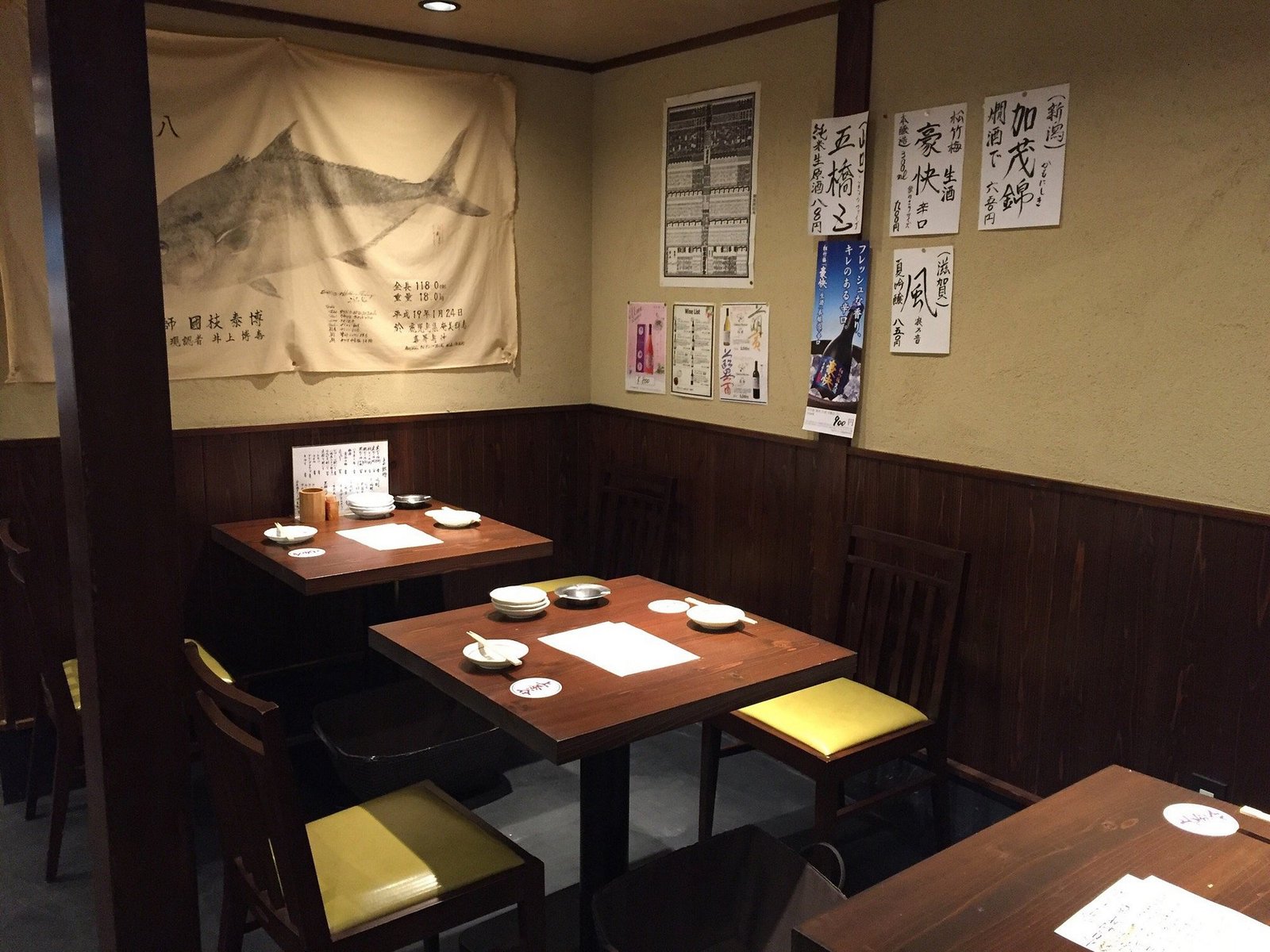
Izakaya and sake specialists are the lifeblood of Kyoto’s nightlife. Spending a lively evening in a traditional Japanese pub is arguably the best way to truly experience the city’s local culture. You will sample incredible regional food, mingle with friendly locals, and drink fabulous sake, craft beer, and shochu.
There are quite literally thousands of izakaya in Kyoto. You will find a high concentration of these vibrant drinking dens clustered around every major train station in town. They are particularly abundant near Kyoto Station, Kawaramachi, Sanjo, and the atmospheric Pontocho and Kiyamachi alleyways. Here is our curated list of the absolute favorite izakaya in Kyoto.
What is a Traditional Japanese Izakaya?
An izakaya is essentially a Japanese-style casual pub. Unlike Western bars that primarily focus on alcohol, an izakaya places equal importance on high-quality, shareable food. They are the go-to spots for nomikai (drinking parties) after work or a long day of sightseeing. The atmosphere is intentionally loud, relaxed, and welcoming, encouraging patrons to let their hair down and enjoy good company.
The Magic of Kyoto Obanzai
When drinking in Kyoto, you must seek out izakaya that specialize in obanzai. This is the traditional, homestyle cooking of Kyoto, characterized by its heavy use of seasonal, locally sourced Kyoto vegetables (Kyo-yasai), subtle dashi broths, and zero-waste cooking methods. It is comforting, healthy, and deeply flavorful.
Top Rated Izakaya Restaurants in Kyoto
Here are the best local pubs and sake bars to add to your Kyoto itinerary.
Kikkoya Downtown Kyoto
Authentic Obanzai Homestyle Cooking
Eating out in Kyoto doesn’t have to be an expensive, fancy, multi-course affair all the time. We absolutely love obanzai places like Kikkoya in downtown Kyoto. This highly rated, mid-range izakaya serves up incredible homestyle cooking that is heavy on seasonal vegetables and deep, comforting flavors. It is the perfect place to try authentic Kyoto dishes like simmered root vegetables, delicate tofu preparations, and perfectly grilled local fish in a warm, unpretentious setting.
Suiba Shijo Kawaramachi
Lively Standing Izakaya Experience
For a fun, inexpensive, and highly energetic night out with friends, try a standing izakaya (known as tachinomi) like Suiba in the bustling Shijo Kawaramachi district. Standing bars are a massive part of Japanese drinking culture, encouraging you to mingle, move around, and strike up conversations with strangers. Suiba offers incredibly good, cheap food and drinks in a vibrant, fast-paced environment. What more could you ask for from a casual dinner?
Jojo Kyoto Station Area
Convenient and Casual Station Dining
Finding a good casual izakaya within easy walking distance of Kyoto Station can be a challenge, but Jojo is the ultimate exception. Located just a short stroll from the station, Jojo is one of our absolute favorite restaurants in the area for travelers arriving with luggage or looking for a quick bite before catching the Shinkansen. They offer a fantastic, extensive menu of classic pub grub, fresh sashimi, and excellent local beers in a clean, modern, and welcoming environment.
Renkon-ya Sanjo Area
Cozy Local Favorite Near Sanjo Station
Centrally located, incredibly friendly, and serving delicious, hearty homestyle food—what is not to like about Renkon-ya? This charming izakaya in downtown Kyoto, just a few minutes from Sanjo Station, is a cozy, dimly lit little restaurant that is wildly popular with the local office crowd. The menu features fantastic skewered meats, crispy karaage (fried chicken), and an impressive selection of regional sake. It feels like stepping into a neighborhood secret.
Akagakiya Downtown Kyoto
Old-School Non-Touristy Atmosphere
If you are into authentic, non-touristy dining, you are in luck. Ultra-local Akagakiya, located in the heart of downtown near Sanjo, serves up a massive slice of old-school Kyoto atmosphere alongside its tasty izakaya classics. The interior is beautifully weathered, the wooden counters are polished from decades of use, and the regulars are welcoming. It is the perfect spot to order a cold draft beer, some grilled yakitori, and soak in the genuine, unfiltered vibe of a traditional Japanese salaryman hangout.
10 Frequently Asked Questions About Kyoto Izakaya
What is the best area for izakaya hopping in Kyoto?
The best areas for izakaya hopping in Kyoto are Pontocho Alley, Kiyamachi Street, and the streets surrounding Sanjo and Kawaramachi stations. Pontocho offers stunning riverside views and historic ambiance, while Kiyamachi is famous for its lively, neon-lit, student-friendly atmosphere with dozens of bars packed closely together.
What is an obanzai izakaya?
An obanzai izakaya is a pub that specializes in obanzai, which is the traditional, everyday homestyle cuisine of Kyoto. These dishes focus on seasonal local ingredients, particularly Kyoto heirloom vegetables (Kyo-yasai), and utilize slow-simmering techniques with kombu and bonito dashi. It is the most authentic way to taste the true flavors of Kyoto.
Do I need reservations for popular izakaya in Kyoto?
It highly depends on the size of the restaurant. Tiny, ultra-local spots like Akagakiya or Renkon-ya often do not take reservations and operate on a first-come, first-served basis, meaning you may need to wait in line. Larger, modern izakaya or those catering heavily to tourists usually accept phone or online reservations, which is highly recommended for dinner on weekends.
What is a tachinomi or standing izakaya?
A tachinomi is a standing izakaya. Instead of sitting at tables, patrons stand around high tables or the bar counter. This style of drinking is incredibly popular in Japan because it is casual, fast-paced, and encourages socializing and moving between different bars. Places like Suiba offer a fantastic, budget-friendly tachinomi experience.
How much does a night out at a Kyoto izakaya cost?
A night out at a Kyoto izakaya is very reasonable. At a casual standing bar or budget pub, you can expect to spend between 2,500 and 4,000 yen per person, which often includes an all-you-can-drink (nomihodai) option. At a mid-range sit-down izakaya specializing in premium obanzai or fresh seafood, expect to spend between 4,000 and 7,000 yen per person.
What food should I order at a Japanese pub?
Classic izakaya orders include yakitori (grilled chicken skewers), karaage (Japanese fried chicken), edamame (steamed soybeans), dashimaki tamago (rolled omelet), and agedashi tofu (fried tofu in broth). In Kyoto, you should also order seasonal obanzai side dishes, grilled local fish, and tofu skin (yuba) appetizers.
Are izakaya in Kyoto vegetarian or vegan friendly?
It can be challenging, but not impossible. Many izakaya dishes use dashi (fish stock) or bonito flakes, even in vegetable dishes. However, if you communicate your dietary restrictions clearly, many modern and tourist-friendly izakaya can prepare vegan options like edamame, pickled vegetables, grilled tofu, and vegetable skewers. Always ask to ensure no fish stock is used.
What is the difference between an izakaya and a sake bar?
While they overlap, an izakaya is primarily a food-focused pub where alcohol is served alongside a massive menu of shareable dishes. A sake bar (sakanaya or kikizake-ya) focuses heavily on the alcohol itself, offering dozens of rare, premium sake varieties by the glass, usually paired with only very simple, light snacks like cheese or small pickles.
Is it polite to pour your own drink in an izakaya?
No, it is considered slightly impolite to pour your own drink in Japan. The custom is to pour drinks for your companions (teshaku), and they will pour for you in return. If you notice your friend’s glass is empty, offer to refill it. If you are drinking alone, it is acceptable to pour your own, but doing it for others is a great way to bond with locals.
Do izakaya in Kyoto have English menus?
In major tourist areas like Pontocho, Kiyamachi, and near Kyoto Station, many izakaya provide English menus, picture menus, or touchscreen tablet ordering with English options. However, at ultra-local, old-school spots like Akagakiya, you may only find Japanese menus. In these cases, using a translation app on your phone or simply pointing at what the locals are eating is a fun and effective way to order.