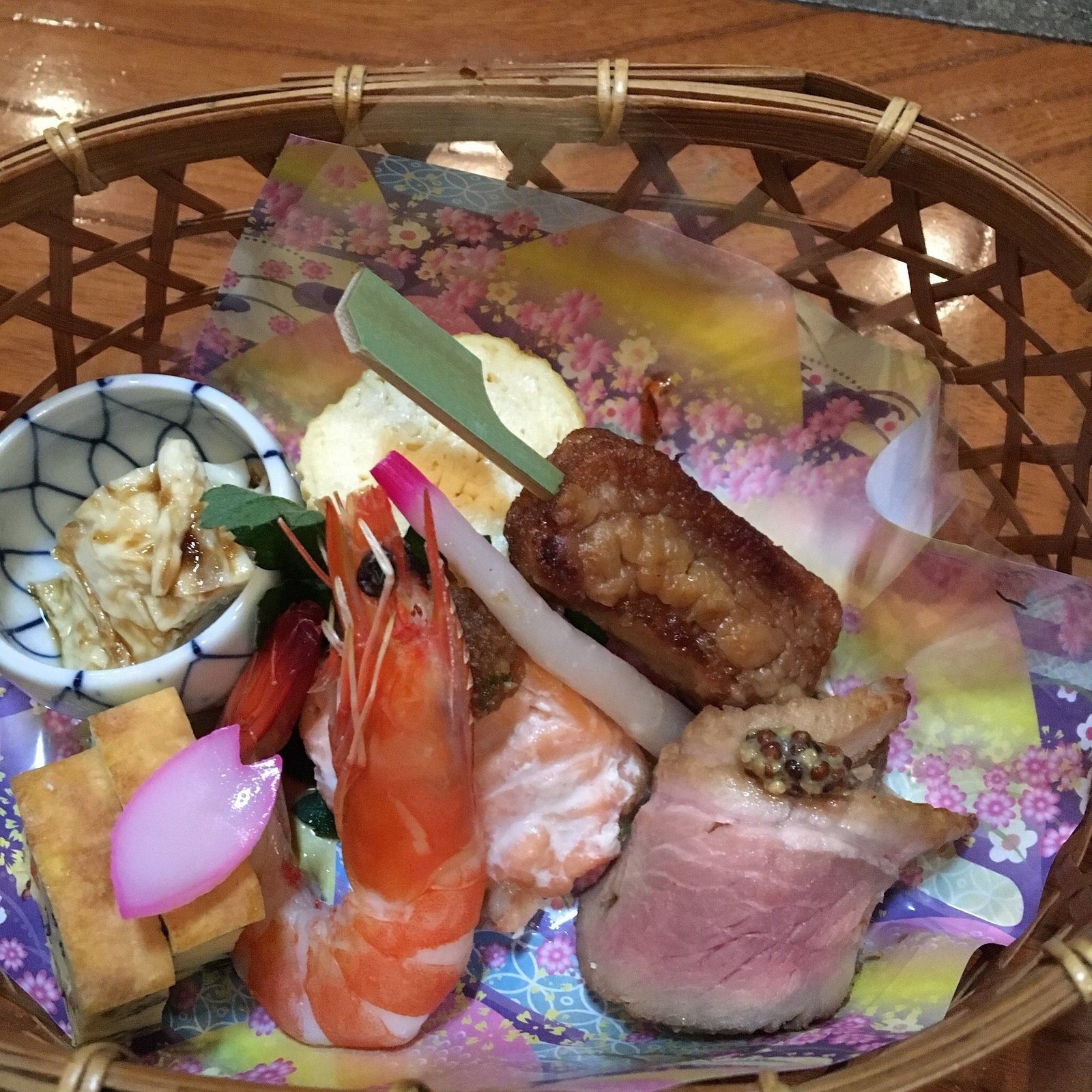
Consisting of multiple exquisitely plated, small dishes served sequentially, kaiseki cooking is deeply seasonal, highly artistic, and rarefied. This traditional style of Japanese haute cuisine actually inspired French nouvelle cuisine and modern degustation menus worldwide. For first-time culinary travelers to Japan, experiencing authentic kaiseki is an absolute must-try gastronomic journey.
The Art of Kyoto Kaiseki Dining
In general, Kyoto is globally synonymous with kaiseki. The city’s deep-rooted tea ceremony traditions and access to pristine water and seasonal Kyo-yasai (Kyoto heirloom vegetables) make it the undisputed capital of this culinary art form. Kaiseki restaurants here are famously expensive, and in some elite cases, notoriously unapproachable.
The most feted establishments are strictly introduction-only, requiring a regular patron to vouch for you. However, there are many exceptional venues that international guests can enter fairly easily. It will often be easiest to book a high-end restaurant via your luxury hotel concierge or a premium online dining service.
Essential Tips for Booking Kaiseki
One golden rule of thumb is that you must plan far ahead for kaiseki meals. Reservations are almost always mandatory at these restaurants, and the absolute best venues will require them weeks, if not months, in advance.
While there are some surprisingly affordable, modern kaiseki restaurants in town, in general, you should be prepared to dig deeper into your pockets for a truly top-notch, multi-course kaiseki meal. These are, after all, the culinary experiences you will want to proudly splash out on during your trip to Japan.
Top Rated Kaiseki Restaurants in Kyoto
Here are the absolute best, most highly recommended kaiseki establishments in Kyoto for your next fine dining adventure.
Kitcho Arashiyama Honten
Arashiyama Luxury Dining
For over-the-top, spare-no-expense luxury, Kitcho Arashiyama is unequivocally THE place to go in Kyoto. Holding three Michelin stars, this legendary restaurant offers breathtaking, panoramic views of the Arashiyama mountains through its floor-to-ceiling windows. Every single dish is a visual and culinary masterpiece, utilizing the finest seasonal ingredients, and the meticulous service is nothing short of imperial.
Kikunoi
Southern Higashiyama Fine Dining
World-famous and holding three Michelin stars, Kikunoi in Southern Higashiyama is the absolute mecca for gourmands looking for some of the best fine dining in the city. Led by the legendary Chef Yoshihiro Murata, the restaurant focuses intensely on the micro-seasons of Japan. The multi-course menu changes constantly to reflect the exact week’s harvest, offering an unparalleled, deeply traditional culinary journey that defines Kyoto cuisine.
Roan Kikunoi
Gion District Modern Kaiseki
The highly acclaimed sister restaurant to the main Kikunoi, this two-Michelin-starred gem is located in the heart of the historic Gion district. Roan Kikunoi offers a slightly more unorthodox, relaxed, yet no less delicious take on classic kaiseki. It features a beautiful modern counter where guests can watch the chefs at work, and it is happily a much more affordable and accessible alternative to the main flagship.
Guilo Guilo Hitoshina
Downtown Kyoto Affordable Kaiseki
Located in a beautifully renovated historic warehouse just south of Gion-Shijo Station, Guilo Guilo Hitoshina offers a delicious, highly creative, and modern take on kaiseki cuisine at ridiculously affordable prices. It is the perfect entry point for younger diners or those on a budget who still want to experience high-end Japanese culinary techniques without the intimidating formality and steep price tag of traditional establishments.
Gion Owatari
Southern Higashiyama Soulful Cuisine
This prestigious two-Michelin-starred kaiseki restaurant is a fierce favorite among Japanese gourmands and food critics, and for good reason. Tucked away in Gion, the cooking here is at once deeply soulful, comforting, and technically impeccable. The chef focuses on maximizing the natural umami of Kyoto’s local ingredients, creating a profoundly moving and elegant dining experience that feels like a warm, culinary embrace.
Kiyamachi Sakuragawa
Downtown Approachable Fine Dining
Kiyamachi Sakuragawa is an incredibly approachable, welcoming, and superb spot to enter the refined world of kaiseki cuisine. Located in the lively Kiyamachi dining district, it strips away the intimidating pretension often associated with high-end dining. The chef serves beautifully executed, traditional seasonal courses in a relaxed atmosphere, making it an excellent, stress-free choice for first-time kaiseki diners.
Hyotei
Northern Higashiyama Historic Zen Dining
With a staggering history spanning over 400 years, Hyotei is one of Kyoto’s most prestigious three-Michelin-star restaurants and arguably the most historically attractive dining room in the city. Originating as a tea house for pilgrims near Nanzenji Temple, this kaiseki restaurant makes zero concessions to foreign palates. It is a fiercely traditional, deeply spiritual culinary experience centered around the profound philosophy of the tea ceremony.
Hiranoya
Arashiyama Scenic Tea House
They simply do not make restaurants more breathtakingly attractive than Hiranoya, a stunning, historic old tea house located in the scenic Arashiyama district. Offering a more mid-range to premium kaiseki experience, Hiranoya allows you to dine in a traditional tatami room overlooking a serene, moss-filled Japanese garden. It is the perfect, tranquil spot to enjoy exquisite seasonal Kyoto dishes away from the crowded tourist streets.
10 Frequently Asked Questions About Kyoto Kaiseki
What is kaiseki cuisine in Japan?
Kaiseki is the traditional Japanese art of multi-course haute cuisine. Originating from the simple meals served during the formal tea ceremony, it has evolved into a highly refined dining experience characterized by the meticulous use of seasonal ingredients, exquisite presentation, and a perfect balance of taste, texture, and color.
How many courses are in a traditional kaiseki meal?
A traditional kaiseki meal typically consists of 10 to 14 sequential courses. These usually begin with sakizuke (an appetizer), followed by hassun (a seasonal platter), mukozuke (sashimi), yakimono (grilled dish), takiawase (simmered vegetables and protein), and conclude with rice, miso soup, and a seasonal dessert.
How much does a kaiseki dinner cost in Kyoto?
The cost varies wildly depending on the prestige of the restaurant. A lunch set at a mid-range or modern kaiseki spot like Guilo Guilo Hitoshina might cost between 5,000 and 15,000 yen. However, a premium dinner at a three-Michelin-star establishment like Kikunoi or Kitcho will typically range from 30,000 to over 50,000 yen per person.
Do I need to make reservations for kaiseki restaurants in Kyoto?
Yes, absolutely. Reservations are mandatory for almost all kaiseki restaurants in Kyoto. For the top-tier, Michelin-starred venues, you often need to book one to three months in advance. The most reliable way to secure a table at an exclusive restaurant is by asking your hotel concierge to make the reservation on your behalf.
What is the dress code for kaiseki restaurants in Kyoto?
The dress code is generally smart casual to formal. Men should wear collared shirts and trousers (jackets are recommended but not always required), and women should wear elegant dresses or dressy separates. You must strictly avoid wearing shorts, flip-flops, sneakers, or overly casual beachwear.
Are kaiseki meals in Kyoto vegetarian or vegan friendly?
It is extremely difficult, but not impossible. Traditional kaiseki relies heavily on dashi (fish and kelp stock) for almost every dish, including the vegetables and rice. If you require a strictly vegan meal, you must notify the restaurant weeks in advance so the chef can prepare a specialized Shojin Ryori (Buddhist vegetarian) menu. Do not expect them to accommodate vegan requests on the spot.
What is the difference between kaiseki and kappo dining?
While both are high-end Japanese dining styles, kaiseki is a formal, sequential multi-course meal served in a private room or at a low table. Kappo, on the other hand, is a more interactive style where diners sit at a high counter and watch the chef prepare the dishes right in front of them, with the chef serving the food directly to you as it is finished.
Is it rude to take photos of the food at a kaiseki restaurant?
In traditional, high-end kaiseki restaurants, taking photos of the food is generally frowned upon and can be considered disrespectful to the chef’s art and the privacy of other guests. If you wish to take a photo, you must always ask the staff for explicit permission first, and you should never use a flash.
What is the best time of year to experience kaiseki in Kyoto?
Every season offers a completely unique kaiseki experience, but autumn (November) and spring (April) are widely considered the most spectacular. During these times, chefs utilize incredibly vibrant ingredients like matsutake mushrooms, fall crab, spring bamboo shoots, and sea bream, and the tableware beautifully reflects the changing foliage or cherry blossoms.
Can foreigners easily book Michelin-starred kaiseki in Kyoto?
Yes, it has become much easier in recent years. While some ultra-exclusive spots still require a Japanese introduction, many top restaurants now accept reservations through English-friendly platforms like TableCheck, Omnibell, or Lavie. Alternatively, the concierge at any 4- or 5-star hotel in Kyoto can easily secure a booking for you.