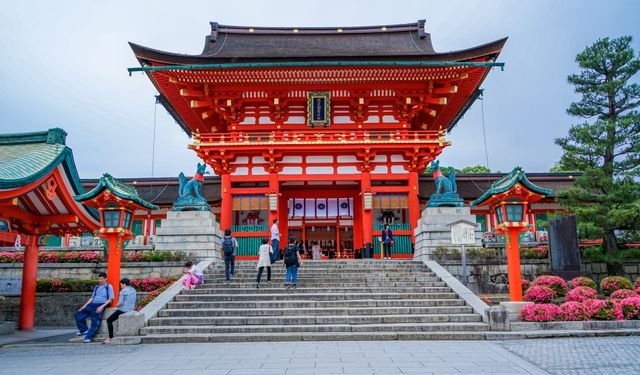
Kyoto is globally renowned for its stunning ancient temples and shrines, but that is only the beginning of the story. Beyond the historic sites, you will find incredible shopping, world-class cycling, serene hiking trails, cutting-edge museums, and lush green spaces.
Whether you are a first-time visitor or returning to Japan, here is your comprehensive, expert-curated list of the absolute best things to do in Kyoto.
Explore Buddhist Temples
Kyoto boasts over 1,600 Buddhist temples, ranging from world-famous landmarks to quiet, hidden sanctuaries. Must-visit sites include the golden Kinkaku-ji and the rock garden at Ryoan-ji.
- Pro Tip: Major temples get incredibly crowded by 10:00 AM. Arrive right when they open (usually 8:30 AM) to experience the serene atmosphere and take photos without the throngs of tourists.
Stay in a Traditional Ryokan
A hotel is standard anywhere in the world, but a ryokan offers a distinctly Japanese cultural immersion. Kyoto features some of the country’s finest traditional inns. While luxury ryokans are pricier, they typically include exquisite multi-course kaiseki dinners and traditional breakfasts. Budget-friendly options without meals are also widely available.
- Pro Tip: If you are traveling with a family, booking a ryokan is the most cost-effective and comfortable way to fit everyone into one large tatami-mat room.
Walk Through Shinto Shrines
To truly feel the spiritual energy of Japan, walk through the mystical torii gates of a Shinto shrine. The mesmerizing Fushimi-Inari-Taisha, with its 10,000 vibrant orange gates, is a must.
- Pro Tip: Most tourists only walk the first 15 minutes of Fushimi Inari. Hike all the way to the summit of Mount Inari (about 2 hours round trip) to escape the crowds and enjoy panoramic views of the city.
Watch a Geisha Dance Performance
If you are visiting in April, May, or November, you must attend one of Kyoto’s annual geisha dances (odori). Ranging from the opulent Miyako Odori to the intimate Kitano Odori, these performances are globally unique.
- Pro Tip: If you can’t get tickets to a show, take an evening walk through the Gion district. You might spot a geiko (geisha) or maiko (apprentice) hurrying to their appointments.
Admire Japanese Zen Gardens
Kyoto is home to the most meticulously maintained gardens in Japan. Highlights include the raked sand Zen garden at Ryoan-ji and the moss-covered strolling gardens of Ginkaku-ji (The Silver Pavilion). Visit in mid-November to see the gardens explode with vibrant autumn maple colors.
Experience Cutting-Edge Digital Art
Looking for a modern contrast to ancient temples? Visit teamLab Kyoto Biovortex. Opened in late 2025 near Kyoto Station, this permanent digital art museum features massive, immersive sensory rooms filled with swirling light and interactive digital ecosystems that react to your touch.
- Pro Tip: Tickets sell out weeks in advance. Book your time slot online via Klook or their official website before your trip.
Soak in an Onsen or Sento
There is no better way to soothe aching feet after a day of sightseeing than a Japanese bath. A natural hot spring (onsen) offers a luxury resort experience, while a local public bathhouse (sento) costs around 500 yen ($4).
- Pro Tip: If you have tattoos, many public baths will deny you entry. Look specifically for “tattoo-friendly onsen” or book a private kashikiri (rental) bath.
Take an Evening Stroll
Kyoto transforms into a magical, lantern-lit wonderland after the day-trippers go home. Walk down the atmospheric Pontocho Alley or the Shirakawa district. The reflections of traditional wooden machiya houses in the narrow canals make for unforgettable photography.
Discover Japanese Arts and Culture
Kyoto is the cultural heart of Japan. Visit the Kyoto National Museum for ancient artifacts, or catch a traditional Kabuki theater performance at the historic Minamiza Theatre.
Relax in Soothing Green Spaces
Need a break from concrete and neon? Head to Kyoto Gyoen, the massive, peaceful park surrounding the Kyoto Imperial Palace. It is completely free to enter, requires no reservations, and is perfect for a quiet picnic under the cherry blossoms in spring.
Try Zen Meditation
Deepen your understanding of Japanese spirituality by booking a private Zen meditation (zazen) session. Temples like Shunkoin and Koseiji offer English-speaking priests who will guide you through the practice, often concluding with a traditional matcha tea ceremony.
Savor Authentic Kyoto Cuisine
You will have some of the best meals of your life here. Kyoto is famous for Kaiseki (traditional multi-course haute cuisine), Yudofu (simmered tofu), and Obanzai (traditional home-style side dishes).
- Pro Tip: For a casual food crawl, head to Nishiki Market. Known as “Kyoto’s Kitchen,” it is packed with street food, pickles, and fresh seafood.
Tour a Local Sake Brewery
While many brewery tours require a trip to the countryside, the Fushimi district in southern Kyoto is one of Japan’s top sake-producing regions. Visit the Gekkeikan Okura Sake Museum or book a private, bilingual tasting tour with a master brewer at Sasaki Shuzo.
Go for a Bicycle Ride
Kyoto is laid out in a flat, easy-to-navigate grid, making it arguably the best city in Japan for cycling. You can rent a bicycle for about 1,000 yen ($7) a day. Riding along the Kamogawa River at sunset is a quintessential Kyoto experience.
Shop for Traditional Souvenirs
Skip the generic plastic trinkets. Kyoto is the best place in Japan to buy high-quality traditional crafts. Look for Kiyomizu-yaki (local pottery), washi (handmade paper), wooden incense holders, and high-grade matcha powder.
Hike the Surrounding Mountains
Kyoto is bordered by mountains on three sides. The hike from Kurama to Kibune is a local favorite. It takes you through deep forests, past a mountain temple, and ends in the riverside village of Kibune, where you can dine on traditional nagashi somen (flowing noodles) over the water.
Escape the Tourist Crowds
If the Arashiyama Bamboo Grove is too packed, pivot to the lesser-known Gio-ji Temple (famous for its stunning moss gardens) or Otagi Nenbutsu-ji, a quirky, quiet temple guarded by 1,200 unique, hand-carved stone statues.
Take a Day Trip Outside the City
If you have extra time, take the 45-minute train ride to Nara to bow with the famous wild deer. Alternatively, take a short train ride to Uji, a serene town globally famous for producing Japan’s highest quality matcha green tea.
Explore Department Store Food Halls
Kyoto’s department store basement food halls (depachika) are culinary wonderlands. The basement levels of Daimaru and Takashimaya are filled with beautifully packaged sweets, bento boxes, and fresh delicacies. It is the perfect place to buy high-quality picnic food or gifts.
Watch the GEAR! Show
For a totally unique, family-friendly evening, see GEAR! Located near Kyoto Station, this long-running, non-verbal multimedia performance combines mime, breakdancing, magic, and breathtaking projection mapping. Because there is no spoken dialogue, there is zero language barrier.
Drink Matcha in a Traditional Teahouse
Skip the global coffee chains and sit down in a historic wooden teahouse. Order a bowl of frothy, ceremonial-grade matcha paired with a wagashi (traditional Japanese sweet). Famous spots include Nakamura Tokichi and Ippodo Tea Co.
Hunt for Treasures at Local Flea Markets
If you are in Kyoto on the 21st of the month, visit the massive To-ji Temple Flea Market (Kobo-san). On the 25th, head to Kitano Tenmangu for the Tenjin-san Market. You will find incredible bargains on vintage kimonos, antique ceramics, and local street food.
Entertain the Kids
Traveling with children? Kyoto is highly family-friendly. The Kyoto Railway Museum is a massive hit with kids of all ages, featuring real steam locomotives and train simulators. The Kyoto Aquarium is also located right next door in Umekoji Park.
Frequently Asked Questions About Kyoto
1. What is the best time of year to visit Kyoto?
Spring (late March to early April) for cherry blossoms and Autumn (mid-November to early December) for fall foliage are the most beautiful, though busiest, times to visit.
2. How many days do you need in Kyoto?
You need a minimum of 3 to 4 full days to see the major highlights. However, 5 to 7 days is ideal if you want to explore at a relaxed pace and take day trips.
3. Is Kyoto an expensive city to visit?
Kyoto can be as cheap or expensive as you want. You can eat cheaply at convenience stores and visit free shrines, or spend heavily on luxury ryokans and high-end kaiseki dining.
4. Is tap water safe to drink in Kyoto?
Yes, tap water in Kyoto (and all of Japan) is perfectly safe, clean, and delicious to drink.
5. Do I need to speak Japanese to travel in Kyoto?
No. Major tourist sites, train stations, and restaurants have English signage. Translation apps and pocket Wi-Fi make navigating very easy even if you don’t speak the language.
6. What is the best way to get around Kyoto?
The city bus network and the subway are the most efficient ways to get around. However, renting a bicycle is highly recommended for exploring the flat central areas.
7. Is a JR Pass worth it for Kyoto?
If you are only staying in Kyoto, no. A JR Pass is only worth it if you are taking multiple long-distance Shinkansen (bullet train) trips between cities like Tokyo, Kyoto, and Hiroshima.
8. What are the absolute must-see temples in Kyoto?
Kinkaku-ji (Golden Pavilion), Kiyomizu-dera, Fushimi Inari Taisha, and Ginkaku-ji (Silver Pavilion) are the top four must-visit temples.
9. Can I actually see a Geisha in Kyoto?
Yes, but they are working professionals, not tourist attractions. Your best chance to see them is at a scheduled public dance performance, or by quietly walking the streets of Gion or Pontocho at dusk.
10. Is the Fushimi Inari Shrine open 24 hours?
Yes, the shrine grounds and the hiking trail up the mountain are open 24 hours a day, 365 days a year, and entry is completely free.
11. What food is Kyoto most famous for?
Kyoto is famous for Kaiseki (multi-course meals), Yudofu (tofu hot pot), Obanzai (traditional side dishes), and high-quality Matcha green tea desserts.
12. How do I get from Osaka to Kyoto?
The fastest way is the JR Special Rapid Train, which takes about 30 minutes and costs 580 yen. It departs frequently from Osaka Station.
13. Do I need to make restaurant reservations in Kyoto?
For high-end Kaiseki restaurants and popular spots, reservations are absolutely essential, often weeks in advance. Casual restaurants usually accept walk-ins.
14. Are Kyoto temples free to enter?
Shinto shrines are generally free to enter. Buddhist temples usually charge an entrance fee ranging from 400 to 600 yen ($3 to $5).
15. Is Kyoto more crowded than Tokyo?
Kyoto feels much more crowded because its historic streets are very narrow, and the tourist sites are highly concentrated in specific eastern and northern districts.
16. Can I do a day trip to Nara from Kyoto?
Yes, Nara is incredibly easy to visit. The Kintetsu or JR trains take about 45 minutes, making it perfect for a half-day or full-day trip to see the Great Buddha and the deer.
17. What are the best souvenirs to buy in Kyoto?
The best Kyoto souvenirs include Yatsuhashi (local cinnamon sweets), Kiyomizu-yaki pottery, traditional folding fans, incense, and high-grade Uji matcha powder.
18. Is Kyoto a walkable city?
Yes, many districts like Higashiyama and Gion are best explored on foot. However, the city as a whole is quite spread out, so you will need to use buses or trains to get between major districts.
19. What should I wear when visiting temples?
Dress modestly. Shoulders and knees should ideally be covered. Be prepared to take off your shoes frequently, so wear slip-on shoes and clean, presentable socks.
20. What is the difference between a Geisha and a Geiko?
In Kyoto, the local dialect refers to fully-fledged geisha as “Geiko,” and apprentices as “Maiko.” They are the exact same profession, just using the traditional Kyoto terminology.