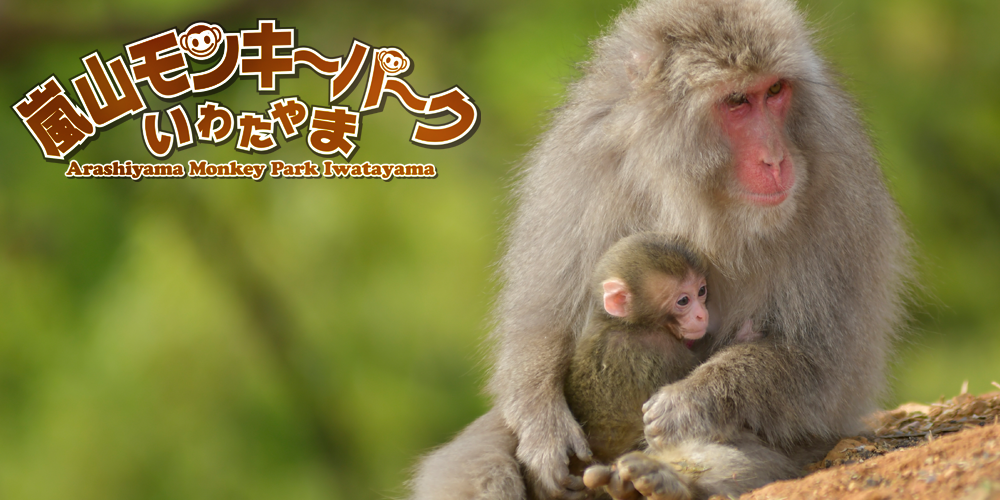
Arashiyama Monkey Park, officially known as Iwatayama Monkey Park, is a premier wildlife destination located in the scenic Arashiyama district of Kyoto. Home to a troop of over 100 semi-wild Japanese macaques, this park offers a highly accessible and authentic alternative to the famous Jigokudani Snow Monkeys in Nagano. Unlike facilities where primates are gathered in man-made hot spring pools, the monkeys at Iwatayama roam freely across a lush, forested mountainside. The park utilizes a unique “reverse zoo” concept, providing visitors with a safe, immersive environment to observe and interact with these fascinating creatures in their natural habitat.
Quick Facts
Ideal Guests
Families with children, wildlife enthusiasts, nature lovers, and photographers.
Top Highlights
Free-roaming wild Japanese macaques, panoramic views of Kyoto, the unique wire-mesh observation hut, and a scenic forest hike.
Sample Pricing
Adults (16+): ¥800 | Children (4-15): ¥400
The Hiking Experience
The Ascent to the Summit
Reaching the monkey enclosure requires a moderately challenging hike up the slopes of Mount Iwatayama. The trail is a steady, steep climb through a beautiful, shaded forest. The walk takes approximately 15 to 20 minutes from the base entrance to the summit clearing. Visitors are advised to wear comfortable walking shoes, take their time, and stay hydrated, especially during the humid Kyoto summers.
Scenic Vantage Points
The hike itself is a major draw for visitors. Along the winding mountain trail and at the summit clearing, guests are treated to breathtaking, unobstructed views of the Arashiyama district, the winding Katsura River, and the broader Kyoto basin. The elevated vantage point makes it a highly recommended spot for landscape photography and sightseeing, even independent of the monkey encounter.
The Wildlife Encounter
The Observation Hut
At the summit, visitors enter a central observation hut enclosed entirely by heavy-duty wire mesh. This clever architectural design creates a “reverse zoo” environment: the humans are safely contained within the structure, while the wild monkeys are free to roam the surrounding clearing and approach the mesh at their own discretion. This setup guarantees a safe viewing experience while allowing for incredibly close-up observations of the macaques’ natural behaviors.
Feeding the Japanese Macaques
Inside the observation hut, visitors can purchase approved food items, such as peanuts and sliced sweet potatoes or apples. Guests can safely hand these treats through the wire mesh to the monkeys waiting on the outside. The macaques are highly food-motivated and will often gather eagerly at the mesh, providing excellent opportunities for photography and interaction.
Safety Rules and Wildlife Etiquette
While the monkeys are accustomed to human presence, they remain wild, territorial animals. Strict adherence to the park’s safety guidelines is mandatory:
- No Eye Contact: Never look directly into a monkey’s eyes, as they interpret this as a sign of aggression or a challenge.
- No Smiling: Avoid showing your teeth, which is also viewed as a threat gesture in primate body language.
- Stay Inside the Hut: Never attempt to feed or touch the monkeys outside of the secure observation area.
- Keep Bags Closed: Monkeys are highly opportunistic and will attempt to snatch unsecured food or shiny objects from visitors walking the trails.
Facilities and Amenities
Summit Facilities
At the top of the mountain, near the observation hut, visitors will find a small rest area and vending machines offering water, soft drinks, and light snacks. The summit provides ample shaded seating where guests can rest their legs after the steep hike while enjoying the panoramic views.
Base Camp Playground
At the bottom of the hill, near the ticket gate, there is a small children’s playground and additional vending machines. This area is perfect for families, allowing children to burn off extra energy before or after the hike to see the monkeys.
Essential Details
English Name
Arashiyama Monkey Park (Iwatayama)
Japanese Name
嵐山モンキーパークいわたやま
English Address
61 Arashiyama-nakaoshita-cho, Nishikyo-ku, Kyoto
Japanese Address
〒616-8385 京都府京都市西京区嵐山中尾下町61
Opening Hours
9:00 AM to 4:30 PM (Last entry at 4:00 PM)
Admission Fee
Ages 16 and over: ¥800 | Ages 4 to 15: ¥400
Nearest Transport
7-minute walk from Arashiyama Station (Randen Line) or a 15-minute walk from JR Saga-Arashiyama Station.
Telephone
075-872-0950
Web Presence
Official Website (English and Japanese)
Is Arashiyama Monkey Park worth visiting?
Yes, Arashiyama Monkey Park is highly recommended for visitors to Kyoto. It offers a unique opportunity to see wild Japanese macaques in a natural forest setting without the extreme travel time required to reach the famous Snow Monkeys in Nagano. The combination of wildlife observation, a scenic forest hike, and panoramic views of Kyoto makes it a top-rated family activity.
How difficult is the hike to the Arashiyama Monkey Park?
The hike is considered moderately difficult due to its steep incline. It takes about 15 to 20 minutes of continuous uphill walking on a paved and dirt trail with stairs. While manageable for most people in average physical health, it can be strenuous for young children, the elderly, or those with mobility issues, especially in hot weather.
How long does it take to walk up to the monkeys?
It typically takes between 15 and 20 minutes to walk from the entrance ticket gate at the base to the monkey observation area at the summit. The pace depends on your fitness level and how often you stop to rest or take photos along the trail.
Can you feed the monkeys at Arashiyama Monkey Park?
Yes, you can feed the monkeys, but only inside the designated wire-mesh observation hut at the summit. Visitors must purchase approved food (peanuts and sliced sweet potatoes or apples) from the staff inside the hut. You can hand the food through the wire mesh to the monkeys on the outside.
What do they feed the monkeys in Arashiyama?
The park provides specifically selected, safe food for the monkeys, which visitors can purchase inside the observation hut. The standard options are raw peanuts and sliced sweet potatoes or apples. The diet is monitored by park staff to ensure the macaques remain healthy.
Is it safe to visit the Arashiyama Monkey Park?
Yes, it is very safe as long as you follow the park’s strict rules. The monkeys are wild but accustomed to humans. By staying inside the wire-mesh hut when feeding them, avoiding direct eye contact, not showing your teeth, and keeping your food hidden while on the trails, you can enjoy the experience without any risk of aggression or bites.
Are the monkeys at Arashiyama wild?
Yes, the Japanese macaques at Iwatayama are semi-wild. They are not captive animals in cages; they roam freely across the forested mountain, forage for natural food, and sleep in the trees. They only come to the summit clearing because they know visitors bring supplemental food.
What is the difference between Arashiyama and the Snow Monkeys?
The famous “Snow Monkeys” live in Jigokudani in Nagano, which requires a long, multi-hour journey from Kyoto, and they bathe in man-made hot spring pools. The Arashiyama monkeys are located right in Kyoto, are much easier to access, do not bathe in hot springs, and roam freely across a large mountain forest rather than being confined to a single valley pool.
Can I bring my own food to feed the monkeys?
No, bringing outside food to feed the monkeys is strictly prohibited. You must purchase the designated monkey food (peanuts and sweet potatoes/apples) from the park staff inside the observation hut. This ensures the monkeys do not eat unhealthy human snacks, plastic wrappers, or dangerous items.
Is Arashiyama Monkey Park stroller friendly?
No, the park is not stroller friendly. The trail to the summit is steep, uneven in places, and includes numerous stairs. Strollers cannot be navigated up the path. Parents with infants must use a baby carrier or hiking backpack, and strollers must be left at the base entrance.
What is the best time of day to visit the monkey park?
The best time to visit is early in the morning right when the park opens at 9:00 AM, or later in the afternoon. During these times, the monkeys are most active and hungry, gathering in large numbers at the observation hut. Mid-day visits can sometimes see fewer monkeys, as they may be resting in the trees or foraging in the forest.
How much does it cost to enter Arashiyama Monkey Park?
The admission fee is ¥800 for adults (ages 16 and older) and ¥400 for children (ages 4 to 15). Children under the age of 4 enter for free. This fee covers the park entry and the hike; feeding the monkeys inside the hut requires a separate, small purchase of food.
Are there restrooms at the top of the monkey park?
Yes, there are public restrooms available at the summit near the observation hut and feeding area. However, it is highly recommended to use the restrooms located at the base camp near the entrance before starting your hike up the mountain.
Can I take photos of the monkeys?
Yes, photography is highly encouraged and is one of the main draws of the park. The wire-mesh observation hut allows you to get incredibly close-up shots of the macaques’ faces and behaviors. However, the use of flash photography is strictly prohibited, as it can startle and agitate the wild animals.
What should I wear to visit the monkey park?
You should wear comfortable, closed-toe walking shoes with good grip, as the trail is steep and can be slippery. Dress in breathable, weather-appropriate clothing. It is also highly recommended to wear sunglasses and a hat, and to keep all food and shiny items securely zipped inside a backpack while walking the trails.
Are there monkeys outside the observation hut?
Yes, the monkeys roam freely throughout the entire mountain park, including the hiking trails and the clearing outside the hut. While they are generally tolerant of humans on the paths, you should never attempt to feed them or approach them closely outside of the safety of the wire-mesh enclosure.
Is Arashiyama Monkey Park open in the rain?
Yes, the park remains open during light rain. The observation hut provides shelter from the elements, and the monkeys will still come to the mesh to eat. However, during heavy rain, thunderstorms, or strong winds, the park may close for safety reasons, as the mountain trail becomes slippery and hazardous.
How do I get to Arashiyama Monkey Park from Kyoto Station?
From Kyoto Station, take the JR San-in Line (Sagano Line) to Saga-Arashiyama Station (about 15 minutes). From there, it is a 15-minute scenic walk through the downtown Arashiyama district to the park entrance. Alternatively, take the Keifuku (Randen) Arashiyama Line from Shijo-Omiya to Arashiyama Station, which is a 7-minute walk to the park.
Can I bring my dog to the Arashiyama Monkey Park?
No, pets and dogs are strictly prohibited inside Arashiyama Monkey Park. The presence of dogs can severely agitate the wild macaques, potentially triggering aggressive behavior from the troop, which poses a danger to both the pets and the human visitors.
What happens if a monkey bites or scratches you?
While bites and scratches are extremely rare if you follow the rules, the monkeys are wild animals and carry bacteria. If you are bitten or scratched, immediately wash the wound with soap and water, apply antiseptic, and seek medical attention at a local clinic or hospital. You should also report the incident to the park staff immediately.