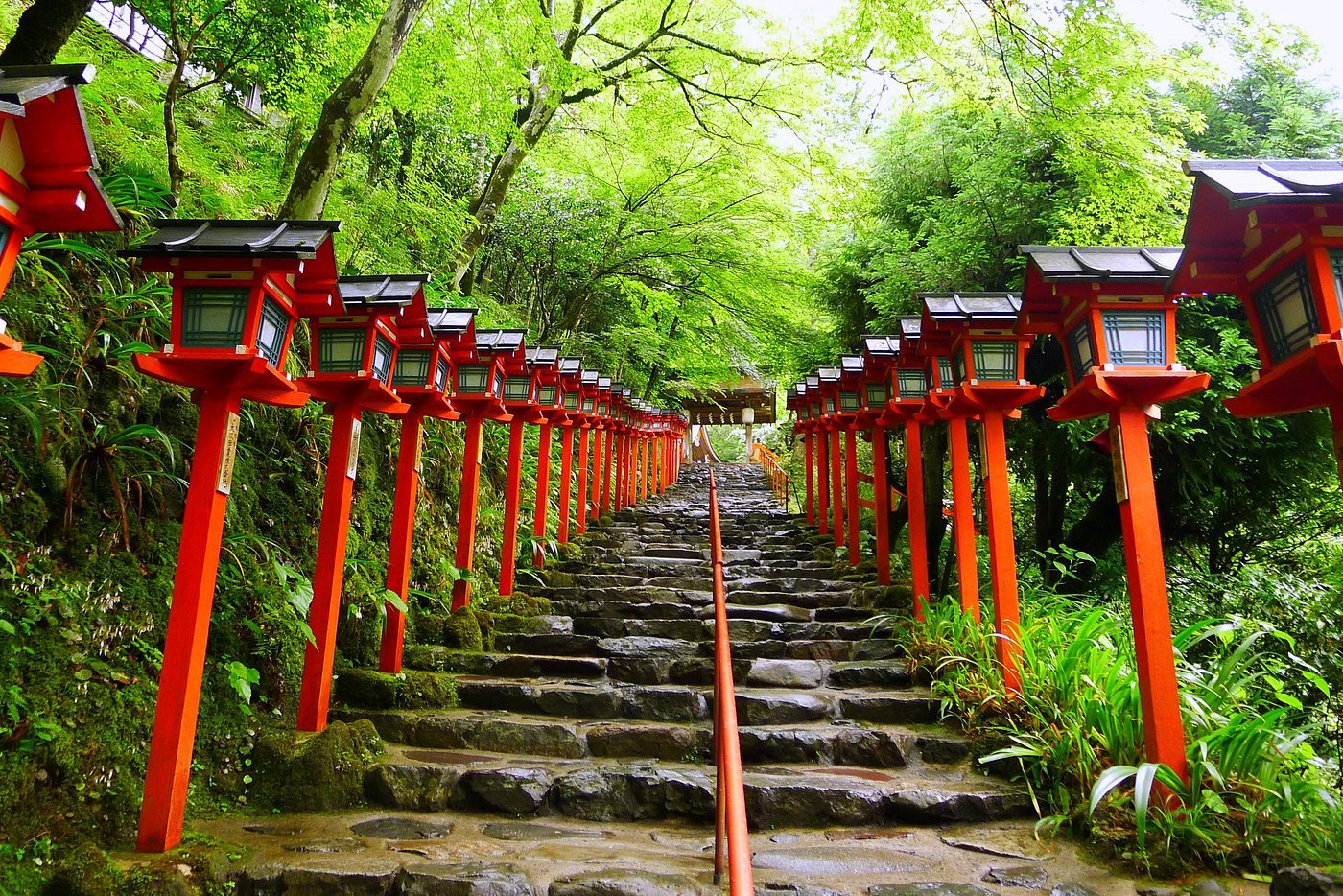
The Premier Spiritual Attraction of Kibune Village
Kifune-jinja Shrine, also widely known as Kibune-jinja, stands as the undisputed main sightseeing attraction and spiritual heart of the quaint, picturesque mountain village of Kibune. Nestled deep within the lush, forested valleys of northern Kyoto, this sacred Shinto sanctuary is dedicated to the dragon god of water and rain. Far removed from the dense urban sprawl of central Kyoto, Kifune-jinja offers visitors a deeply atmospheric, tranquil, and visually stunning retreat. The shrine is globally renowned for its iconic stone steps lined with glowing red lanterns, its unique water-based fortune-telling rituals, and its profound connection to Japanese agricultural and water mythology.
Quick Facts
Ideal Guests and Top Highlights
This mountain sanctuary is highly recommended for spiritual seekers, photography enthusiasts, nature lovers, and travelers seeking a peaceful Kyoto day trip. Top highlights include the breathtaking stone steps illuminated by red lanterns, the unique water fortune-telling (Mizuura) ritual, the sacred water fountain, and the three distinct shrine precincts nestled beautifully into the mountainside.
Sample Pricing and Accessibility
Admission to the Kifune-jinja Shrine grounds is completely free, making it one of the most accessible and budget-friendly spiritual destinations in the Kyoto area. The shrine is easily accessible via public bus from the nearby Kibune-guchi Station, and the entire complex is open to the public year-round, offering a magical experience in every season.
The Sacred Water Deity and Shrine History
The Dragon God of Water and Rain
Kifune-jinja is the head shrine of all Kifune shrines throughout Japan, holding immense historical and spiritual significance. The shrine is dedicated to Takao-kami-no-kami, the powerful Shinto dragon deity of water, rain, and agriculture. In ancient Japan, water was the most critical element for successful rice cultivation, and this deity was deeply revered by farmers and emperors alike for bringing life-giving rain and preventing devastating floods. The dragon mythology is heavily present throughout the shrine grounds, with numerous dragon motifs, statues, and sacred symbols adorning the buildings and purification fountains.
The Three Sub-Shrines of Kifune
The Kifune-jinja complex is uniquely divided into three distinct precincts, each situated at different elevations on the mountain. The Main Shrine (Hongu) is the most famous and accessible, located at the top of the iconic stone steps. Above the Main Shrine lies the Middle Shrine (Nakamiya), which offers a quieter, more secluded atmosphere surrounded by ancient cedar trees. Finally, the Inner Shrine (Okumiya) sits at the very top of the mountain ridge. While the Main Shrine draws the largest crowds, exploring all three precincts provides a comprehensive and deeply rewarding spiritual journey through the forested mountainside.
The Iconic Stone Steps and Red Lanterns
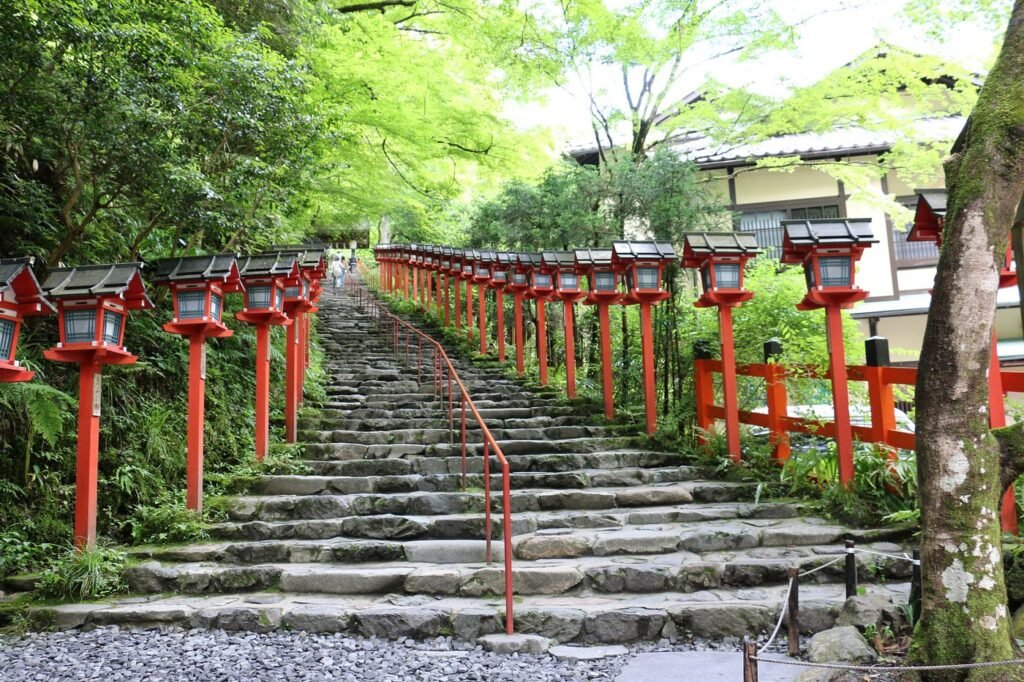
The Photogenic Approach to the Main Shrine
The visual masterpiece of Kifune-jinja is undoubtedly the grand flight of stone steps leading up to the Main Shrine. Lined perfectly on both sides by traditional, vibrant red lanterns (chochin), this approach is widely considered one of the most photogenic and atmospheric sights in all of Kyoto. The striking contrast of the bright vermilion lanterns against the deep green of the surrounding forest creates a breathtaking visual corridor. Visitors are encouraged to pause at the bottom of the steps to take in the full, majestic scale of the shrine’s entrance before beginning their ascent.
The Magical Winter Illuminations
While the red lanterns are beautiful during the day, the shrine truly transforms into a magical wonderland during the winter months. When the first snows blanket the Kibune mountains, the shrine often hosts special evening illuminations. The red lanterns are lit up against the backdrop of the pristine white snow, creating an ethereal, fairy-tale-like atmosphere. This spectacular winter scenery draws photographers and romantics from all over Japan, making it one of the most highly sought-after seasonal events in the Kyoto region.
Unique Spiritual Experiences and Rituals
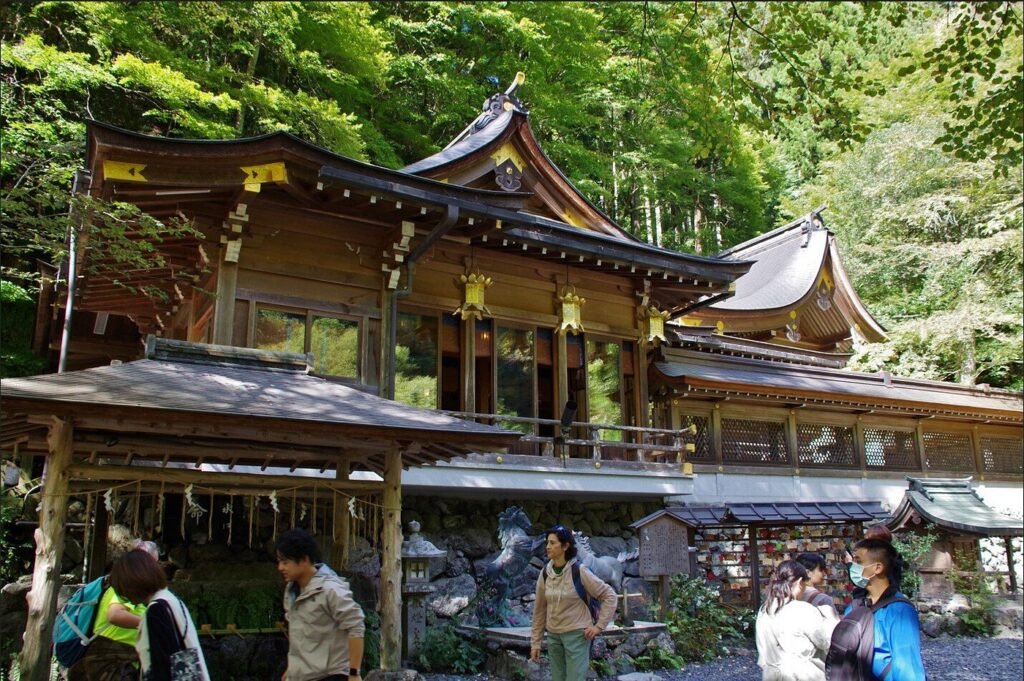
The Famous Water Fortune Telling (Mizuura)
The most unique and highly sought-after spiritual experience at Kifune-jinja is the “Mizuura,” or water fortune-telling. Unlike standard paper fortunes found at other shrines, the omikuji (fortunes) at Kifune are written on blank, white strips of paper. After writing your prayer or shaking for a number, you must take the blank paper to the sacred water basin near the Main Shrine. When you float the paper on the surface of the water, the sacred liquid reacts with the paper, magically revealing your written fortune in just a few seconds. This interactive ritual is a massive highlight for visitors and perfectly aligns with the shrine’s water deity theme.
The Sacred Water Fountain and Unique Amulets
Because the shrine is dedicated to the god of water, the quality of the water here is considered exceptionally pure and sacred. Near the Main Shrine, there is a famous sacred water fountain where visitors can drink the water or fill special bottles to take home for good health and protection. Additionally, the shrine’s gift shop sells highly unique, water-themed amulets (omamori) and ema (wooden prayer plaques) shaped like water droplets and dragons, making them incredibly special and meaningful souvenirs for spiritual travelers.
Exploring the Kibune Village Setting
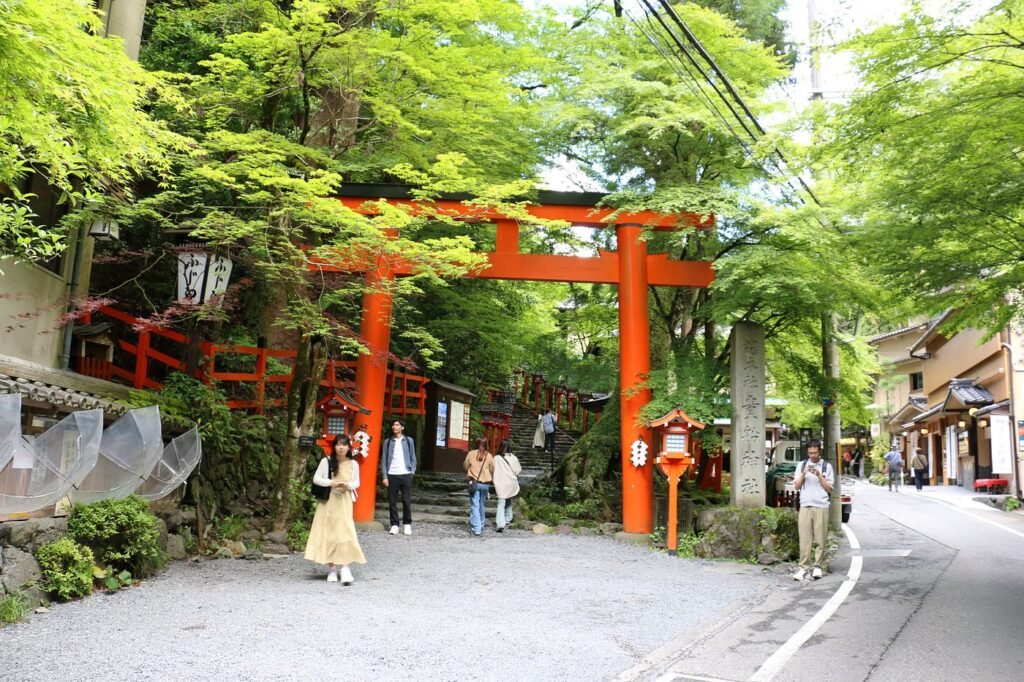
A Picturesque Mountain Hamlet
The journey to Kifune-jinja is just as rewarding as the shrine itself. The shrine is located roughly midway through the narrow, winding village of Kibune, a charming hamlet that feels entirely disconnected from the modern world. The village is flanked by the rushing, crystal-clear Kibune River on one side and steep, forested mountains on the other. The air here is noticeably cooler and fresher than in central Kyoto, providing a deeply refreshing natural escape. Walking through the village, visitors will encounter traditional wooden houses, small artisan shops, and a deeply relaxed, rural Japanese atmosphere.
The Famous Kawadoko Dining Experience
Kibune village is globally famous for its “Kawadoko” dining tradition, which takes place during the hot summer months. Restaurants build temporary, flat wooden decks directly over the rushing, cooling waters of the Kibune River. Diners sit on these decks to enjoy multi-course kaiseki meals, grilled sweetfish (ayu), and cold somen noodles while their feet dangle just inches above the flowing river. Visiting Kifune-jinja Shrine in the morning or late afternoon, followed by a Kawadoko lunch or dinner, is widely considered the ultimate, quintessential Kibune experience.
Essential Details
Location, Contact, and Access Information
- English Name: Kifune-jinja Shrine (Kibune-jinja)
- Japanese Name: 貴船神社
- English Address: 180 Kurama-Kibune-cho, Sakyo-ku, Kyoto
- Japanese Address: 〒601-1111 京都府京都市左京区鞍馬貴船町180
- Opening Hours: 6:00 AM to 8:00 PM (May to November) | 6:00 AM to 6:00 PM (December to April)
- Admission Fee: Completely Free
- Nearest Transport: 5-minute walk from Kibune Bus Stop (Kyoto Bus 33 from Kibune-guchi Station, Eizan Line)
- Telephone: 075-741-2016
- Web Presence: Official Website (English available)
Frequently Asked Questions
What is Kifune-jinja Shrine famous for?
Kifune-jinja Shrine is most famous for its breathtaking stone steps lined with glowing red lanterns, its unique water-based fortune-telling ritual (Mizuura), and its status as the head shrine of all Kifune shrines in Japan, dedicated to the dragon god of water and rain.
Where is Kifune-jinja Shrine located in Kyoto?
Kifune-jinja is located in the picturesque mountain village of Kibune, in the Sakyo-ku ward of northern Kyoto. It is situated deep in the Kitayama Mountains, far from the central city, offering a cool, forested, and highly atmospheric natural retreat.
How do I get to Kifune-jinja from Kyoto Station?
From Kyoto Station, take the Karasuma Subway Line to Imadegawa Station, transfer to the Keihan Line to Demachiyanagi Station, and then board the Eizan Electric Railway to Kibune-guchi Station. From Kibune-guchi, take the Kyoto Bus 33 to the Kibune Bus Stop, which is just a 5-minute walk to the shrine.
What deity is worshipped at Kifune-jinja Shrine?
The shrine is dedicated to Takao-kami-no-kami, the powerful Shinto dragon deity of water, rain, and agriculture. This deity is deeply revered for bringing life-giving rain for crops and preventing devastating floods, making the shrine a major center for water-related prayers.
What is the water fortune telling (Mizuura) at Kifune Shrine?
Mizuura is a unique fortune-telling ritual where visitors purchase a blank strip of paper omikuji. After praying, you float the blank paper on the surface of the shrine’s sacred water basin. The water reacts with the paper, magically revealing your written fortune in just a few seconds.
How much does it cost to enter Kifune-jinja Shrine?
Admission to the Kifune-jinja Shrine grounds, including the Main Shrine, Middle Shrine, and Inner Shrine, is completely free of charge. You only need to pay small fees if you wish to purchase water fortunes, amulets, or make monetary offerings at the main hall.
What are the opening hours for Kifune-jinja Shrine?
The shrine is open daily from 6:00 AM to 8:00 PM during the warmer months (May through November). During the colder winter months (December through April), the hours are slightly reduced, closing at 6:00 PM.
Is Kifune-jinja Shrine open at night?
While the shrine grounds are technically accessible from 6:00 AM until the evening closing time, it is not a 24-hour night shrine. However, during special winter illumination events when it snows, the red lanterns on the stone steps are lit up at night, creating a magical evening atmosphere.
What is the best time of year to visit Kifune-jinja?
The best times to visit are during the lush green summer months to enjoy the famous Kawadoko riverside dining, or during the winter (December to February) to see the spectacular red lanterns illuminated against the snow. The autumn foliage in November is also incredibly beautiful.
Can I see the red lanterns lit up at Kifune-jinja?
The red lanterns lining the stone steps are beautiful during the day, but they are most spectacular during the winter season. If you visit on a snowy day or during a special winter illumination event, the lanterns are lit up in the evening, creating a breathtaking, fairy-tale-like visual.
How many sub-shrines are there at Kifune-jinja?
The Kifune-jinja complex consists of three main sub-shrines: the Main Shrine (Hongu) at the top of the main steps, the Middle Shrine (Nakamiya) located further up the mountain, and the Inner Shrine (Okumiya) situated at the very peak of the mountain ridge.
Is the walk from Kibune-guchi Station to the shrine difficult?
The walk from the bus stop to the Main Shrine involves walking through the flat village of Kibune, followed by a climb up the stone steps to the Main Shrine. The steps are steep and can be physically demanding for some, but they are well-maintained and feature handrails. The Middle and Inner shrines require even more uphill hiking.
Can I combine a visit to Kifune-jinja with Kurama-dera?
Yes, combining Kifune-jinja with a visit to the nearby Kurama-dera Mountain Temple is one of the most popular day trips in Kyoto. Many adventurous travelers choose to hike over the mountain ridge from Kurama-dera, descending directly into the Kibune village where the shrine is located.
What is Kawadoko dining near Kifune-jinja?
Kawadoko is a traditional summer dining experience unique to the Kibune area. Restaurants build wooden decks directly over the rushing, cooling waters of the Kibune River, allowing diners to enjoy traditional Japanese meals with their feet dangling just inches above the refreshing river below.
Is there sacred water to drink at Kifune-jinja?
Yes, because the shrine is dedicated to the water deity, the water here is considered highly sacred and pure. There is a famous sacred water fountain near the Main Shrine where visitors can drink the water, purify themselves, or fill special bottles to take home for good health.
Are there any special amulets (omamori) sold at Kifune-jinja?
Yes, the shrine sells highly unique, water-themed amulets and ema (wooden prayer plaques) shaped like water droplets and dragons. These are specifically designed to pray for rain, water safety, and agricultural success, making them very special and distinct from standard shrine souvenirs.
Is Kifune-jinja Shrine wheelchair accessible?
Unfortunately, Kifune-jinja is not fully wheelchair accessible. The approach to the Main Shrine requires climbing a long, steep flight of stone steps. While the village of Kibune itself is relatively flat, the shrine’s elevated layout and traditional stone pathways make it very difficult for standard wheelchairs to navigate.
What should I wear when visiting Kifune-jinja Shrine?
You should wear comfortable, supportive walking shoes with good grip, as the stone steps can be slippery, especially after rain or during winter snow. Dress in layers, as the mountain village of Kibune is significantly cooler than central Kyoto, particularly in the evenings and during the winter months.
Are there food and drink options near Kifune-jinja?
Yes, the village of Kibune, which leads directly to the shrine, is packed with traditional tea houses, cafes, and high-end restaurants. You can find matcha sweets, grilled sweetfish, and the famous summer Kawadoko dining experiences just a short walk from the shrine entrance.
How long does it take to explore Kifune-jinja Shrine?
A standard visit to explore the Main Shrine, perform the water fortune-telling ritual, and view the red lantern stone steps takes about 45 minutes to 1 hour. If you choose to hike up to the Middle Shrine and the Inner Shrine, you should allocate at least 2 to 3 hours for the entire experience.