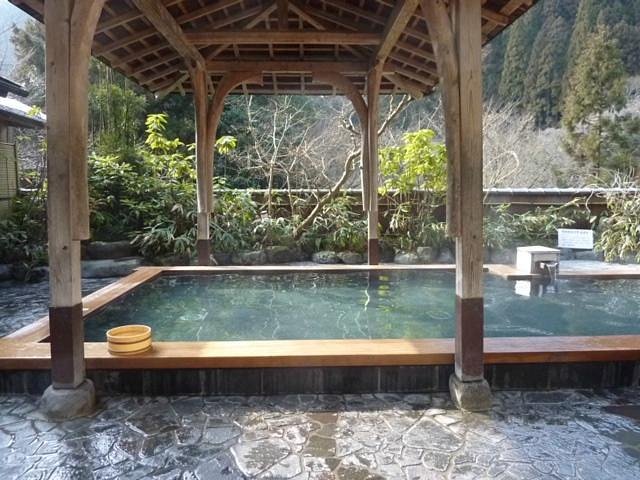
A Premier Mountain Hot Spring Experience
Kurama Onsen stands as the absolute premier hot spring destination in the greater Kyoto area, offering a deeply restorative escape into nature. Located just a scenic 30-minute train ride north of the city center, this mountain bathhouse provides the ultimate Japanese bathing experience. Sitting in the outdoor wooden tubs while surrounded by the lush, forested peaks of the Kitayama Mountains delivers a state of pure onsen bliss, making it a highly sought-after sanctuary for both domestic travelers and international tourists seeking authentic relaxation.
The Perfect Post-Hike Sanctuary
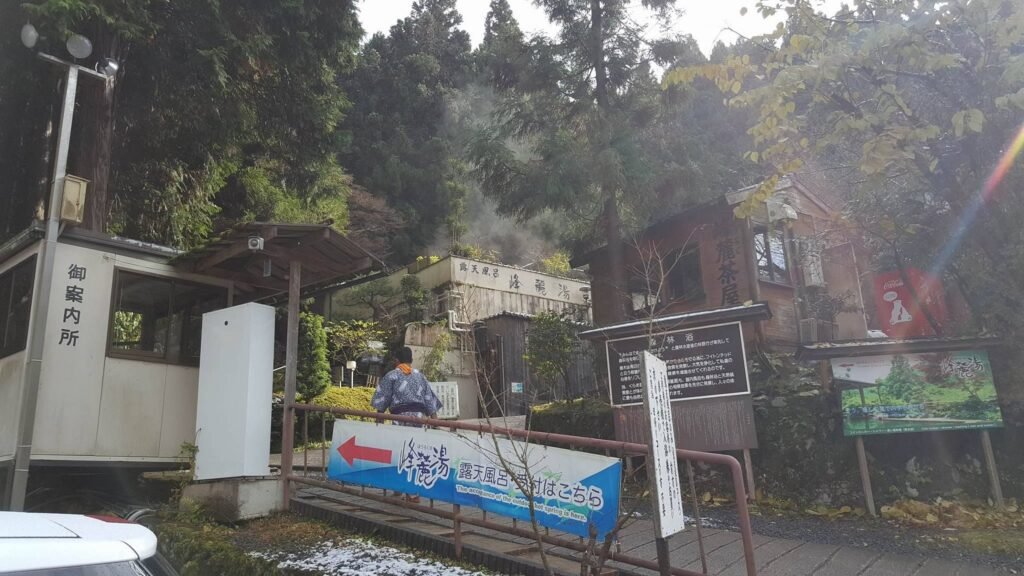
For travelers tackling the rigorous hiking trails of the region, Kurama Onsen serves as the ultimate physical and spiritual recovery zone. It is the perfect way to soothe tired, aching muscles after climbing the steep stone steps up to the nearby Kurama-dera Mountain Temple, or after completing the challenging mountain trek across the ridge from the picturesque riverside village of Kibune. The combination of geothermal mineral waters and the crisp mountain air creates an unparalleled wellness experience that perfectly complements an active Kyoto itinerary.
Quick Facts
Ideal Guests and Top Highlights
This mountain retreat is highly recommended for hikers, nature lovers, wellness seekers, and travelers looking to escape the dense urban crowds of central Kyoto. Top highlights include the breathtaking outdoor rotenburo (open-air baths) nestled in the forest, the deeply relaxing indoor therapeutic tubs, the magical atmosphere during winter snowfalls, and the incredible convenience of the free shuttle bus from the train station.
Sample Pricing and Accessibility
Kurama Onsen offers flexible pricing tiers depending on your bathing preferences. The outdoor bath-only option is highly affordable, starting at ¥1,400 for adults on weekdays. For those seeking the full luxury experience, the combined indoor and outdoor bath package includes the rental of a face towel, bath towel, and a traditional cotton yukata, providing a completely hassle-free, immersive Japanese bathhouse experience.
The Bathing Experience and Facilities
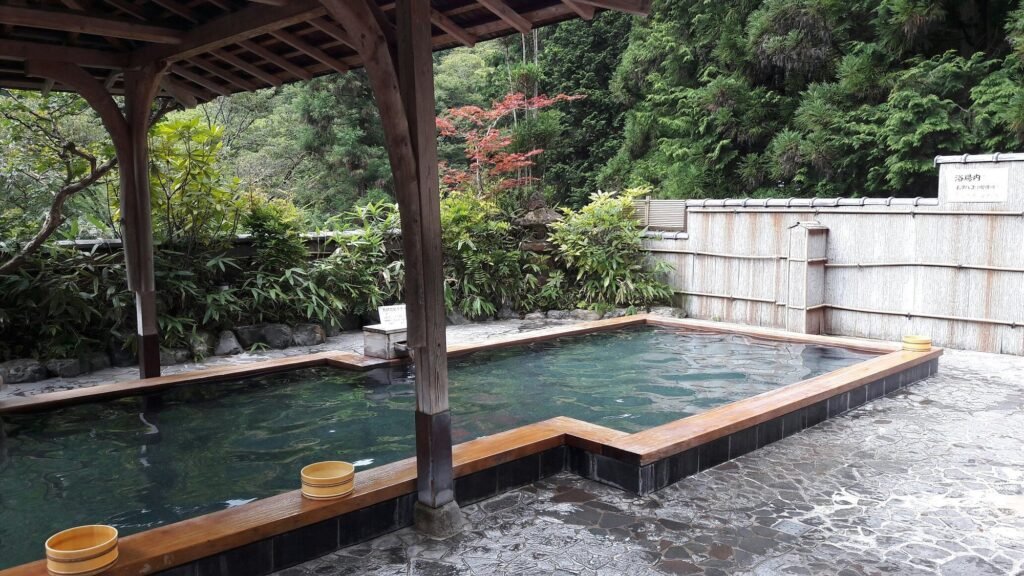
The Enchanting Outdoor Rotenburo
The undisputed crown jewel of Kurama Onsen is its spectacular outdoor bathing area, known as the rotenburo. These bare-bones, beautifully crafted wooden and stone tubs are situated directly beneath the forest canopy, allowing bathers to immerse themselves in the sights and sounds of nature. The contrast between the piping hot, mineral-rich water and the cool, fresh mountain breeze is deeply invigorating. For many visitors, the outdoor pools offer a raw, unfiltered connection to the natural environment that is simply unmatched by modern, urban spa facilities.
The Comprehensive Indoor Bathing Areas
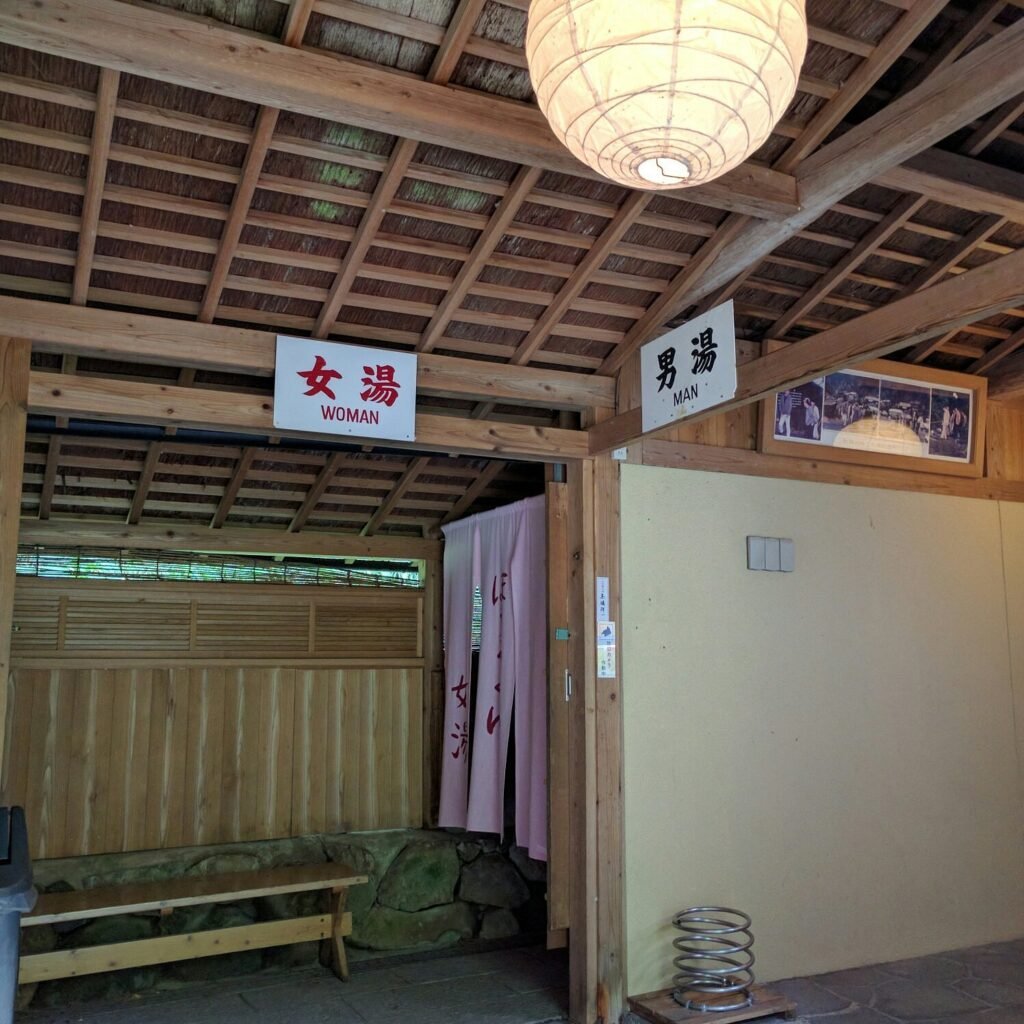
For those who prefer a more traditional, fully equipped bathhouse experience, the indoor facilities at Kurama Onsen are exceptionally well-appointed. The indoor area features a wide variety of specialized tubs, including carbonated spring baths, electric baths, and ultra-hot saunas designed to promote deep circulation and detoxification. The indoor spaces are meticulously cleaned and maintained, offering a warm, comfortable environment that is especially appreciated during the colder, rainier months of the Kyoto winter.
Addressing the “Real Onsen” Debate
Among strict onsen purists, there is occasionally a debate regarding the classification of Kurama Onsen, with some claiming the natural spring water is slightly heated before entering the tubs to maintain the optimal temperature. However, for the vast majority of visitors, this technicality is entirely irrelevant. The water originates from a genuine natural geothermal source deep within the mountain, retaining its valuable mineral composition and therapeutic properties, making it a genuinely restorative and highly effective hot spring experience regardless of the heating method.
The Magic of Winter and Snowy Soaks
If you are incredibly lucky enough to visit Kurama Onsen during a winter snowfall, you are in for a truly magical, once-in-a-lifetime experience. Watching soft, white snowflakes gently fall into the steaming hot outdoor bath while your body remains perfectly warm and submerged is widely considered one of the most romantic and serene experiences in all of Japan. The visual contrast of the snow-capped cedar trees against the rising steam creates a breathtaking, ethereal atmosphere that photographers and nature lovers absolutely adore.
Location, Access, and Amenities
Proximity to Kurama-dera and Kibune
The strategic location of Kurama Onsen makes it the ultimate anchor for a full day of exploring the Kurama and Kibune district. It is situated at the base of the mountain, just a short distance from the famous Kurama-dera Temple and the Eizan railway station. This proximity allows visitors to seamlessly transition from a morning of spiritual exploration and hiking into an afternoon of deep physical relaxation, all without needing to navigate complex public transit schedules or long taxi rides.
Convenient Shuttle and Walking Access
Getting to the bathhouse from the Kurama Station is incredibly easy and highly convenient. Upon exiting the train, visitors can simply follow the signs to the dedicated Kurama Onsen shuttle bus, which is completely free of charge and takes a mere three minutes to reach the facility. For those who prefer to stretch their legs and enjoy the crisp mountain air, the bathhouse is also located just a pleasant 10-minute walk from the station along a well-paved, scenic road.
Towel Rentals and Yukata Inclusions
One of the most convenient aspects of visiting Kurama Onsen is the comprehensive amenity packages available at the front desk. While you can bring your own towels if you choose the outdoor-only ticket, the premium indoor and outdoor package includes everything you need: a small face towel for washing, a large bath towel for drying, and a traditional cotton yukata (robe) to wear while relaxing in the common lounge areas. This all-inclusive approach ensures that travelers can enjoy a luxurious soak without having to carry bulky items in their luggage.
Essential Details
Location, Contact, and Access Information
- English Name: Kurama Onsen
- Japanese Name: くらま温泉
- English Address: 520 Kurama Honmachi, Sakyo-ku, Kyoto
- Japanese Address: 〒601-1111 京都府京都市左京区鞍馬本町520
- Opening Hours: 10:00 AM to 9:00 PM daily
- Outdoor Bath Only Price: Adults ¥1,400 (Weekdays) / ¥1,600 (Weekends); Children (4-12) ¥700
- Indoor & Outdoor Package Price: Adults ¥2,500 (Weekdays) / ¥2,700 (Weekends); Children (4-12) ¥1,300 (Includes face towel, bath towel, and yukata)
- Nearest Transport: 3-minute free shuttle bus or 10-minute walk from Kurama Station (Eizan Line)
- Telephone: 075-741-2131
- Web Presence: Official Website
Frequently Asked Questions
What is Kurama Onsen?
Kurama Onsen is a highly popular, traditional Japanese hot spring bathhouse located in the mountainous Kurama district of northern Kyoto. It is famous for its beautiful outdoor forest baths, comprehensive indoor facilities, and its status as the perfect post-hike relaxation spot for visitors exploring the nearby Kurama-dera Temple and Kibune village.
Where is Kurama Onsen located in Kyoto?
Kurama Onsen is located at 520 Kurama Honmachi in the Sakyo-ku ward of Kyoto. It is situated deep in the Kitayama Mountains, approximately 30 minutes north of central Kyoto by train, in the same rural district as the famous Kurama-dera Temple and the riverside village of Kibune.
How do I get to Kurama Onsen from Kyoto Station?
To reach Kurama Onsen from Kyoto Station, take the Karasuma Subway Line to Imadegawa Station, transfer to the Keihan Line to Demachiyanagi Station, and finally board the Eizan Electric Railway to Kurama Station. From Kurama Station, you can take the free 3-minute shuttle bus or walk for 10 minutes to the bathhouse.
Is there a free shuttle bus to Kurama Onsen?
Yes, Kurama Onsen operates a completely free shuttle bus that runs between Kurama Station (on the Eizan Line) and the bathhouse entrance. The shuttle runs frequently during operating hours and takes only about 3 minutes to complete the short journey up the hill.
How much does it cost to enter Kurama Onsen?
The admission fee depends on the facilities you wish to use. The outdoor bath-only ticket costs ¥1,400 for adults on weekdays and ¥1,600 on weekends. The comprehensive package, which includes both indoor and outdoor baths plus towel and yukata rentals, costs ¥2,500 on weekdays and ¥2,700 on weekends.
What is the difference between the indoor and outdoor baths?
The outdoor baths (rotenburo) are open-air wooden and stone tubs situated in the forest, offering a natural, immersive experience surrounded by trees and fresh air. The indoor baths are fully enclosed, climate-controlled facilities that feature a wider variety of specialized tubs, such as carbonated springs, electric baths, and high-heat saunas.
Is Kurama Onsen a “real” natural hot spring?
Kurama Onsen draws its water from a genuine natural geothermal spring source deep within the mountain. While some strict onsen purists note that the water is slightly heated to maintain the perfect bathing temperature before it enters the tubs, the water retains its natural mineral composition and therapeutic properties, providing a highly authentic and restorative hot spring experience.
Are towels and yukatas included in the admission fee?
Towels and yukatas are only included if you purchase the premium “Indoor and Outdoor Bath” package. If you purchase the “Outdoor Bath Only” ticket, you must bring your own towels or rent them separately at the front desk for an additional fee.
What are the opening hours for Kurama Onsen?
Kurama Onsen is open daily from 10:00 AM to 9:00 PM. The last entry is typically 30 minutes before closing. It is highly recommended to arrive with plenty of time to enjoy the facilities before they close for the evening.
Can I visit Kurama Onsen if I have tattoos?
Like many traditional public bathhouses in Japan, Kurama Onsen generally prohibits guests with visible tattoos from entering the communal bathing areas to maintain a comfortable environment for all patrons. If you have small tattoos, it is highly recommended to cover them with waterproof bandages or inquire at the front desk about renting a private family bath, if available.
Is Kurama Onsen open in the winter?
Yes, Kurama Onsen is open year-round, including the winter months. In fact, winter is widely considered the most magical time to visit, as soaking in the hot outdoor baths while snow falls gently around you is one of the most spectacular and highly sought-after winter experiences in the Kyoto area.
How far is Kurama Onsen from Kurama-dera Temple?
Kurama Onsen is located at the base of the mountain, very close to the Kurama-dera Temple area. It is just a short 10-minute walk from the temple’s main entrance, making it the absolute perfect place to relax and soak your muscles after hiking up the temple’s steep stone steps.
Can I walk from Kibune to Kurama Onsen?
Yes, you can easily walk from Kibune to Kurama Onsen by hiking over the mountain via the famous “Tree Root Path” (Ki no Ne Michi). The hike takes about 1.5 to 2 hours and ends near the Kurama-dera Temple area, from which it is just a short walk or a quick shuttle bus ride down to the bathhouse.
Are there private baths or family baths at Kurama Onsen?
Kurama Onsen primarily focuses on large, communal indoor and outdoor bathing experiences. While they do not typically offer standard private baths for single individuals, they may have reservable family baths (kazokuburo) available for small groups or families. It is best to contact the facility directly in advance to inquire about private bath availability and reservation procedures.
Is Kurama Onsen wheelchair accessible?
Traditional Japanese bathhouses can be challenging for wheelchair users due to the need to navigate stairs, step over high thresholds, and sit on the floor. While the main entrance and some common areas may be accessible, the actual bathing areas at Kurama Onsen are not fully wheelchair accessible. Guests with mobility concerns should contact the facility directly to discuss their specific needs.
Can I eat food at Kurama Onsen?
Kurama Onsen features a comfortable relaxation lounge where guests can enjoy light snacks, soft drinks, and traditional Japanese treats like ice cream or milk after their bath. However, it is not a full-service restaurant. For a proper meal, visitors usually head to the nearby village of Kurama or the riverside restaurants in Kibune.
What is the best time of day to visit Kurama Onsen?
The best time to visit is either early in the morning right after it opens at 10:00 AM, or later in the evening around 7:00 PM. Visiting early ensures a quiet, peaceful atmosphere before the day-trippers arrive, while an evening soak is incredibly relaxing after a full day of sightseeing and hiking.
Are children allowed in the outdoor baths?
Yes, children are welcome at Kurama Onsen. The facility offers discounted admission for children aged 4 to 12 years old. However, parents must closely supervise their children at all times, especially in the outdoor baths, which are situated near natural forest terrain and can have slippery surfaces.
Is Kurama Onsen crowded on weekends?
Yes, Kurama Onsen can become quite crowded on weekends and Japanese national holidays, as it is a highly popular destination for locals and tourists alike. If you prefer a quieter, more serene bathing experience, it is highly recommended to visit on a weekday or arrive right when the facility opens.
Can I stay overnight at Kurama Onsen?
Kurama Onsen is strictly a day-use bathhouse (higaeri onsen) and does not offer overnight accommodation or lodging facilities on its premises. However, there are several excellent traditional ryokans and minshuku (guesthouses) located in the immediate Kurama village area if you wish to stay overnight in the mountain district.