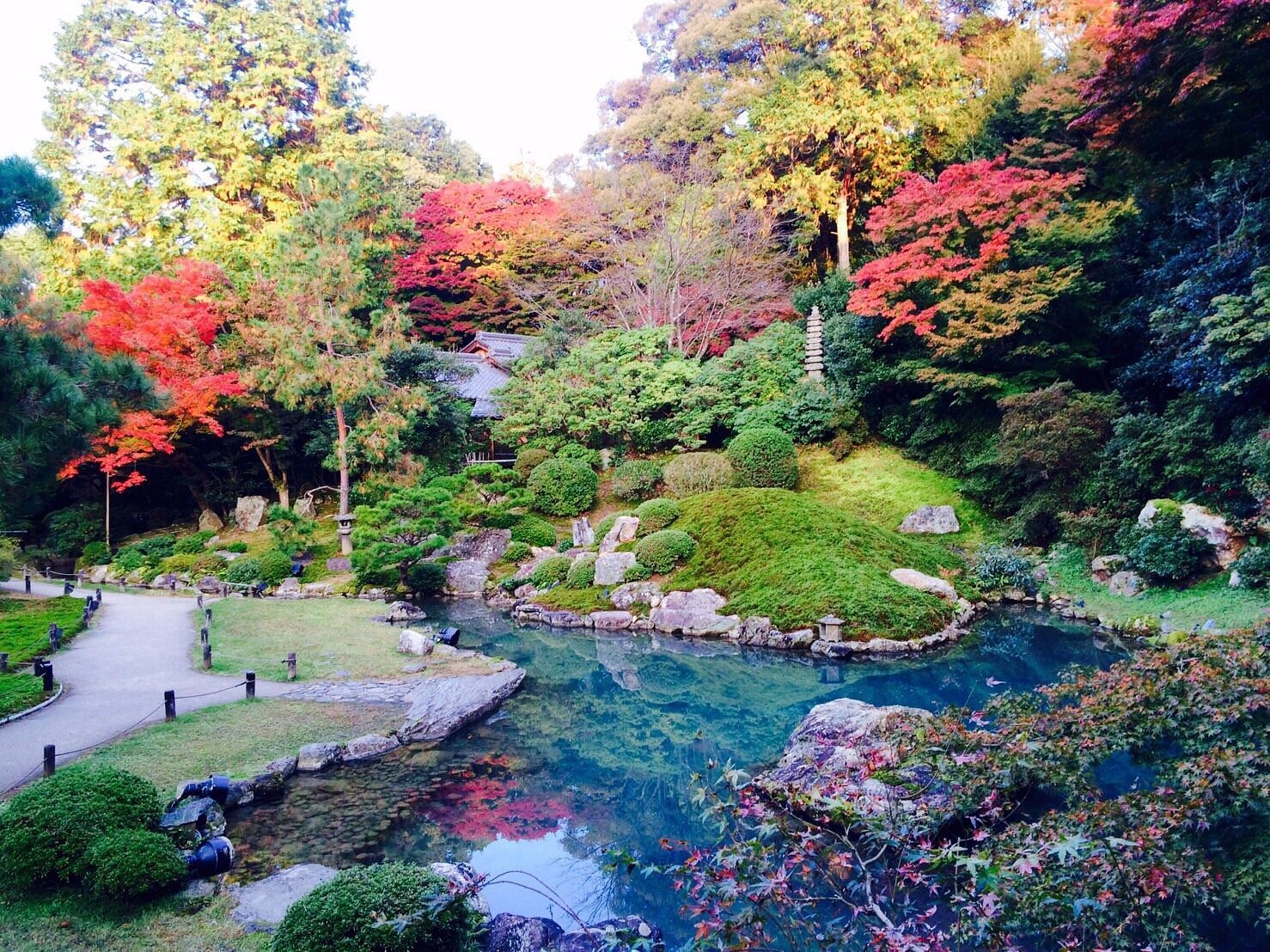
Widely considered one of the most serene temples in Kyoto, Shoren-in Monzeki is a spectacular hidden gem that remains blissfully bypassed by the massive tourist crowds and tour buses that flock to neighboring sites. Nestled perfectly against the lush, green foothills of the Higashiyama Mountains, this intimate temple offers a profound sense of peace and traditional elegance. Originally constructed as a private residence rather than a public place of worship, Shoren-in possesses the refined, villa-like aesthetic of a noble estate. With its stunning stroll gardens, ancient camphor trees, and spectacular seasonal night illuminations, it stands as an absolute must-visit destination for travelers seeking an authentic, uncrowded Kyoto experience.
Quick Facts
Ideal Guests
Travelers seeking tranquility, photography enthusiasts, garden lovers, and those looking to escape the heavy crowds of central Higashiyama.
Top Highlights
Giant ancient camphor trees, a tranquil carp pond, a private bamboo grove, authentic tea house experiences, and breathtaking seasonal night illuminations.
Sample Pricing
Adults: ¥600 | High and Junior High School Students: ¥400 | Elementary School Students: ¥200
Historical Significance and Architecture
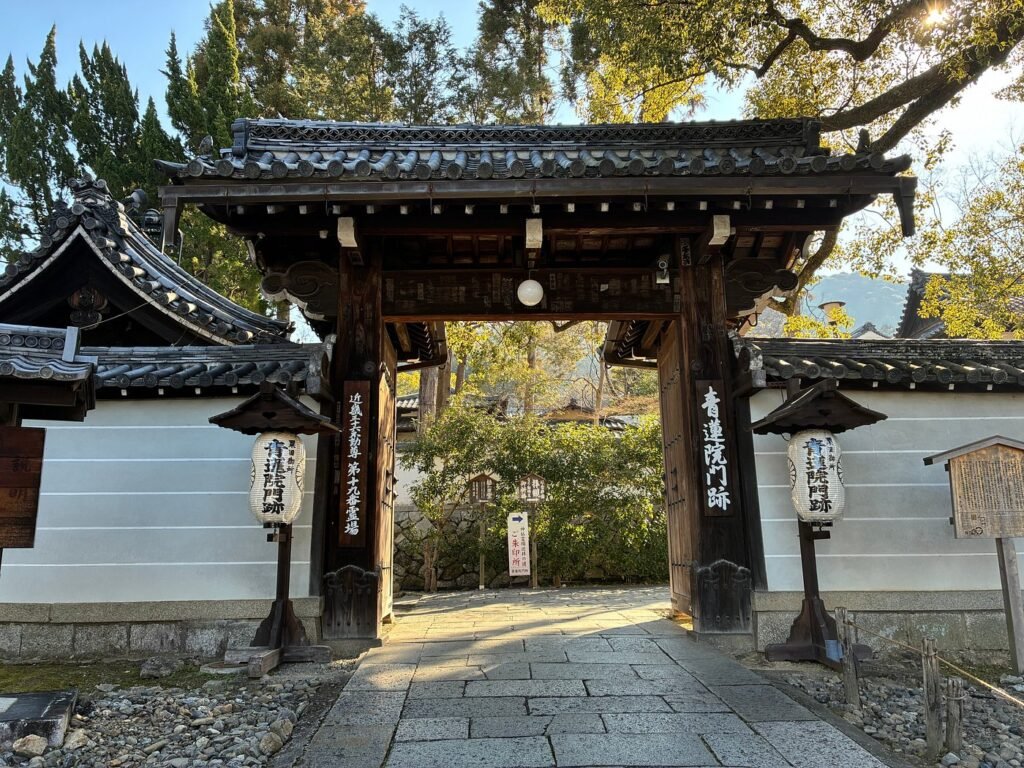
A Prestigious Monzeki Temple
Shoren-in holds the highly prestigious status of a Monzeki temple. In Japanese Buddhist tradition, a Monzeki is a temple traditionally headed by a member of the Imperial family or the highest echelons of the nobility. Originally serving as a secluded retreat for the abbot of the Tendai School of Buddhism, the temple’s royal patronage is evident in its impeccable design, luxurious interior decorations, and the sheer quality of its historic structures.
Villa-Like Elegance and Historic Interiors
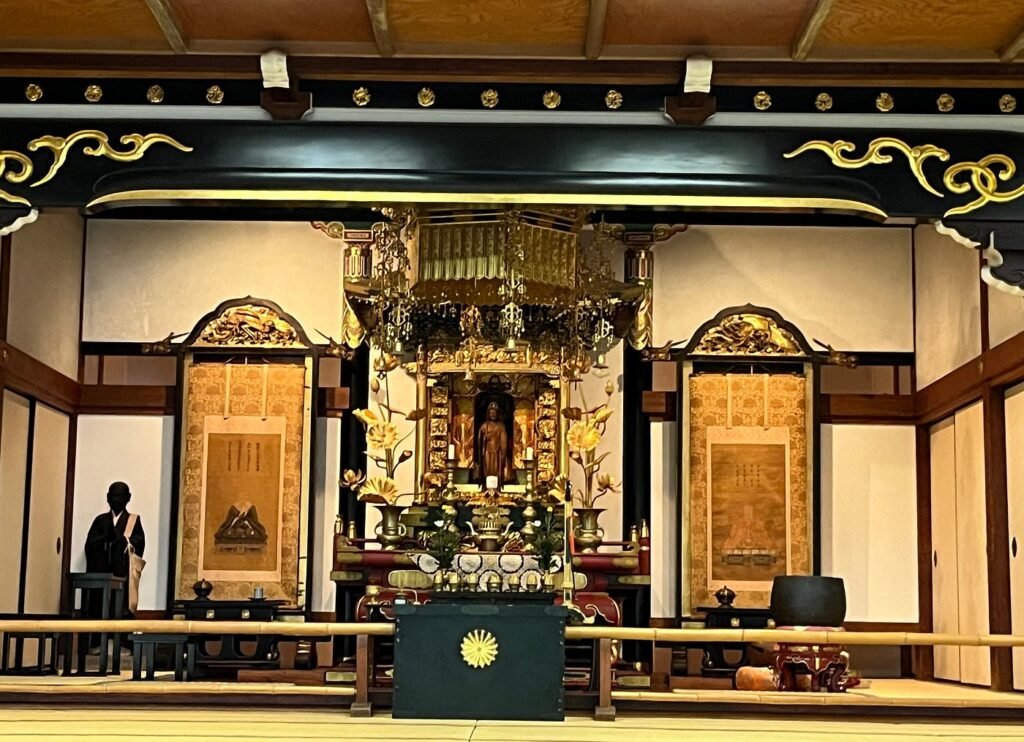
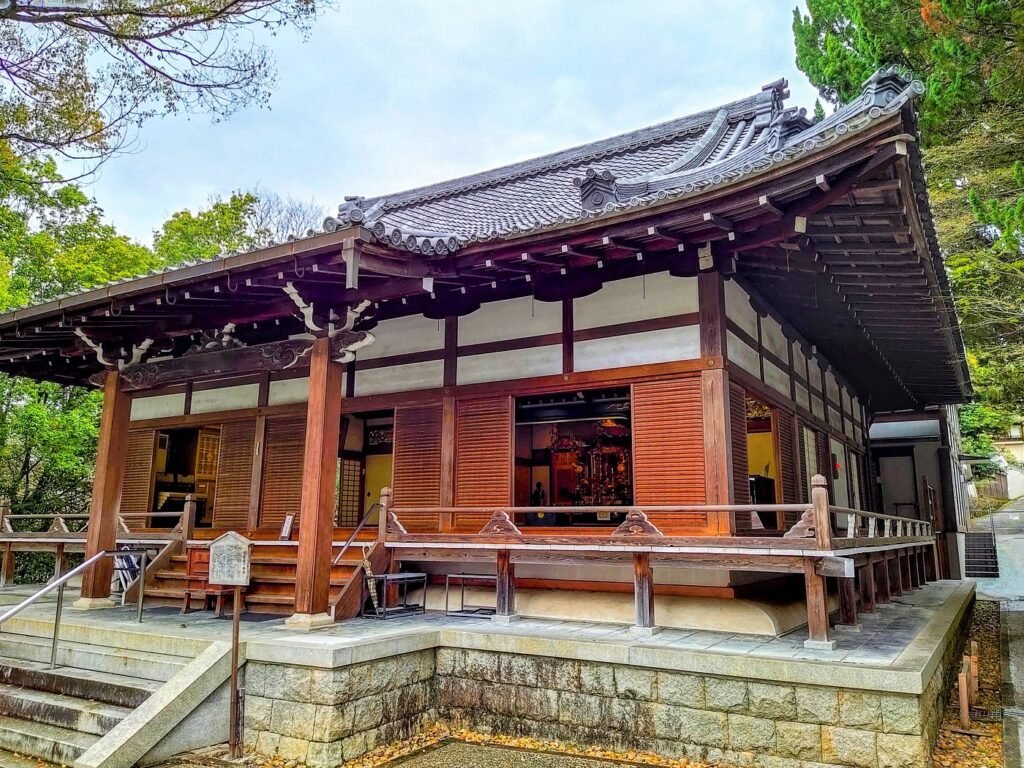
Because it was originally built as a residential retreat for high-ranking priests and nobility, Shoren-in looks and feels much more like an aristocratic villa than a traditional, austere temple. The superb wooden buildings feature elegant engawa (wooden verandas) that perfectly frame the surrounding nature. Inside, visitors can admire exquisite fusuma (sliding door) paintings and delicate architectural details that reflect the highest achievements of traditional Japanese residential design. The atmosphere is deeply intimate, allowing for a quiet, personal connection with Kyoto’s aristocratic past.
The Exquisite Grounds and Gardens
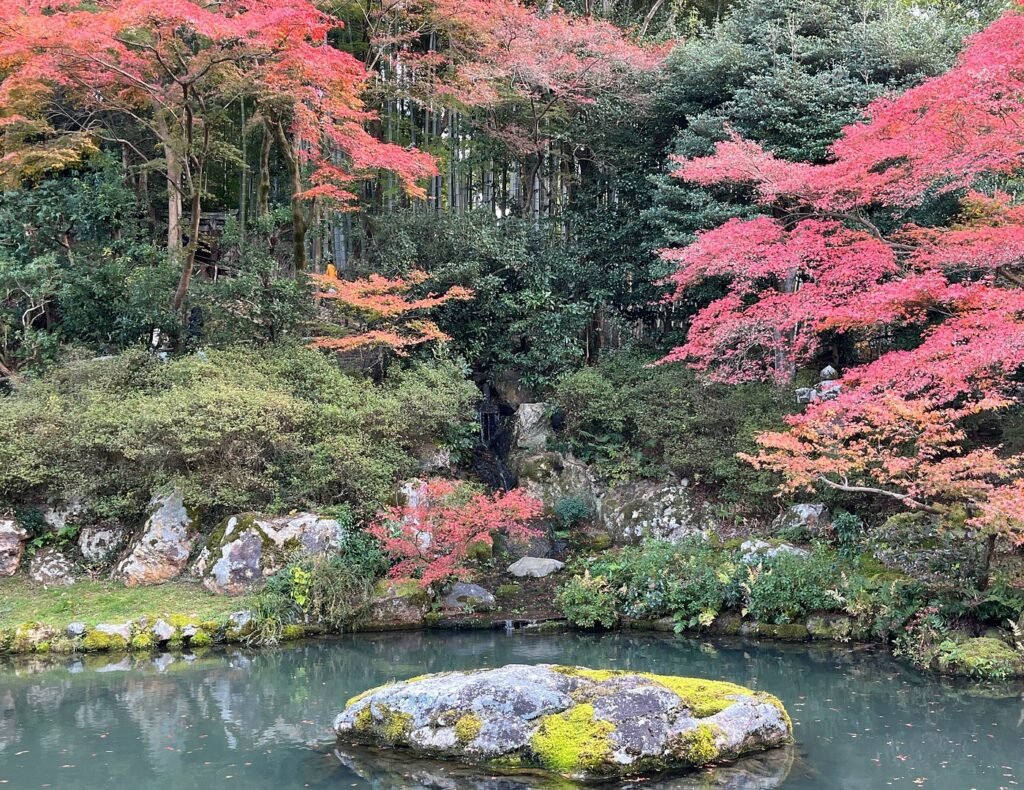
The Tranquil Carp Pond and Giant Camphor Trees
After exploring the main buildings, visitors are encouraged to put their shoes back on and explore the grounds on foot. The garden is a masterful example of a traditional stroll garden, centered around a beautifully tranquil carp pond. The water reflects the changing seasons and the surrounding architecture. Towering over the garden are several massive, ancient camphor trees (known as Kambo trees). With their sprawling branches and thick, textured trunks, these giant trees are designated natural monuments and provide a deeply spiritual, grounding presence to the landscape.
The Bamboo Grove and Authentic Tea House
The clearly marked walking paths wind through various distinct zones of the garden. A major highlight is the temple’s own private bamboo grove, offering a peaceful, shaded walkway that rivals the famous Arashiyama bamboo forest but without the overwhelming crowds. The path also leads to a highly authentic, rustic tea house. Here, well-connected tea masters occasionally hold traditional Japanese tea ceremonies, offering visitors a rare opportunity to experience matcha and wagashi in a deeply traditional, intimate setting.
The Seiryuden Viewpoint (Shogunzuka)
A unique and highly sought-after feature of Shoren-in is its connection to the Seiryuden (Shogunzuka) viewpoint. Located at the back of the temple grounds, this modern architectural marvel features floor-to-ceiling glass windows that offer a commanding, panoramic view of the entire Kyoto basin. For an additional fee, visitors can enter the Seiryuden to enjoy the spectacular vista, or use the temple grounds as the starting point for the highly popular Shogunzuka hiking trail.
Seasonal Night Illuminations
Magical Spring and Autumn Light-ups
Like its famous neighbors Kodai-ji and Kiyomizu-dera, Shoren-in hosts spectacular seasonal night illuminations. While nighttime light-ups are a modern addition to temple tourism, they are executed with incredible taste and respect for the historic grounds. During the spring cherry blossom season and the autumn foliage season, the ancient trees, the mossy fields, and the tranquil pond are dramatically illuminated. The reflections of the vibrant leaves and blossoms on the dark water create a magical, otherworldly atmosphere that is widely considered some of the best nighttime scenery in all of Kyoto.
Essential Details
English Name
Shoren-in Temple (Shoren-in Monzeki)
Japanese Name
粟田口三条坊町69-1, 東山区, 京都市
English Address
69-1 Sanjobo-cho, Awataguchi, Higashiyama-ku, Kyoto
Japanese Address
〒606-8413 京都府京都市東山区粟田口三条坊町69-1
Opening Hours
9:00 AM to 5:00 PM (Last entry at 4:30 PM)
Admission Fee
Adults: ¥600 | High/Junior High: ¥400 | Elementary: ¥200
Nearest Transport
3-min walk from Jingu-michi Bus Stop (Kyoto City Bus 5, 46, or 100); 5-min walk from Higashiyama Station (Tozai Subway Line).
Telephone
075-561-2345
Web Presence
Official Website (English available)
What is Shoren-in Temple in Kyoto?
Shoren-in Temple, officially known as Shoren-in Monzeki, is a highly revered Buddhist temple located in the Higashiyama district of Kyoto. It is famous for its villa-like architecture, stunning stroll gardens, giant ancient camphor trees, and spectacular seasonal night illuminations.
Where is Shoren-in Temple located?
Shoren-in is located in the Awataguchi area of Higashiyama-ku, situated at the base of the Higashiyama Mountains. The exact address is 69-1 Sanjobo-cho, Awataguchi, Higashiyama-ku, Kyoto. It is positioned slightly north of the main Kiyomizu-dera tourist corridor, offering a much quieter environment.
How do I get to Shoren-in Temple from Kyoto Station?
The easiest public transit route is to take Kyoto City Bus #5 or #46 from Kyoto Station to the “Jingu-michi” bus stop. The ride takes about 15-20 minutes, and the temple is just a 3-minute walk from the bus stop. Alternatively, you can take the Tozai Subway Line to Higashiyama Station, which is a 5-minute walk from the temple.
What is a Monzeki temple?
A Monzeki is a highly prestigious category of Japanese Buddhist temple where the head abbot is traditionally a member of the Imperial family or the highest nobility. Because of this royal patronage, Monzeki temples like Shoren-in feature exceptionally high-quality architecture, luxurious interiors, and exquisite gardens.
Is Shoren-in less crowded than Kiyomizu-dera?
Yes, significantly less crowded. While Kiyomizu-dera and Kodai-ji are constantly packed with massive tour groups, Shoren-in remains a peaceful, off-the-beaten-path sanctuary. It is highly recommended for travelers who want to experience traditional temple beauty without the overwhelming crowds.
What are the giant trees in the Shoren-in garden?
The garden is famous for its massive, ancient camphor trees (known in Japanese as Kambo trees). These giant, sprawling trees are designated natural monuments. Some of them are hundreds of years old, and their massive roots and thick trunks create a deeply spiritual and awe-inspiring atmosphere in the garden.
Does Shoren-in have a bamboo grove?
Yes, the temple grounds feature a beautiful, private bamboo grove. While it is smaller than the famous Arashiyama Bamboo Grove, it offers the exact same serene, shaded atmosphere and photographic beauty, completely free of the heavy tourist crowds.
Can I experience a traditional tea ceremony at Shoren-in?
Yes, Shoren-in features a highly authentic, rustic tea house located within the garden grounds. Well-connected tea masters occasionally hold traditional Japanese tea ceremonies here. Visitors can check the temple’s schedule or inquire at the entrance to see if a ceremony is being held on the day of their visit.
Does Shoren-in host night illuminations?
Yes, Shoren-in hosts spectacular seasonal night illuminations during the spring cherry blossom season and the autumn foliage season. The ancient trees, moss gardens, and the tranquil carp pond are beautifully lit up, creating a magical, highly photogenic atmosphere after dark.
What is the best time of year to visit Shoren-in?
The temple is beautiful year-round, but the absolute best times to visit are during the spring (late March to early April) for the cherry blossoms, and autumn (mid-November to early December) for the vibrant red maple leaves. The seasonal night illuminations during these periods are particularly breathtaking.
How much does it cost to enter Shoren-in Temple?
The standard admission fee is ¥600 for adults. High school and junior high school students pay ¥400, and elementary school students pay ¥200. There may be an additional small fee if you wish to enter the Seiryuden viewpoint building.
What are the opening hours for Shoren-in?
Shoren-in is open daily from 9:00 AM to 5:00 PM. The last entry to the grounds is at 4:30 PM. During special night illumination events in spring and autumn, the hours are extended into the evening.
Is Shoren-in Temple wheelchair accessible?
The main buildings and the flat areas around the carp pond are relatively accessible. However, the garden paths consist of gravel, moss, and uneven terrain, which can be challenging for standard wheelchairs. It is recommended to contact the temple in advance if you require specific accessibility assistance.
Can I start the Shogunzuka hike from Shoren-in?
Yes, Shoren-in is the starting point for the popular Shogunzuka (Seiryuden) hiking trail. The trail leads up the Higashiyama mountain behind the temple, offering spectacular panoramic views of Kyoto. You can access the trailhead from the back of the temple grounds.
Are there koi fish in the pond at Shoren-in?
Yes, the tranquil central pond in the stroll garden is home to a large, vibrant population of colorful koi carp. Feeding the koi is a popular and relaxing activity for visitors sitting on the wooden verandas of the main hall.
What sect of Buddhism does Shoren-in belong to?
Shoren-in belongs to the Tendai sect of Buddhism. Historically, it served as a secluded retreat for the high-ranking abbots of this sect, which heavily influenced its refined, aristocratic architectural style and deep connection to the Imperial court.
Can I take photos inside the buildings at Shoren-in?
Photography is generally permitted in the outdoor gardens and the verandas. However, photography and video recording are strictly prohibited inside the main halls to protect the delicate fusuma paintings, historic artifacts, and to maintain a respectful atmosphere for praying monks and other visitors.
Is Shoren-in suitable for children and families?
Yes, Shoren-in is highly suitable for families. The spacious gardens, the koi fish in the pond, and the private bamboo grove are very engaging for children. Furthermore, because it is not crowded, parents do not have to constantly worry about children bumping into other tourists or damaging fragile artifacts.
What other attractions are located near Shoren-in?
Shoren-in is perfectly situated near several major Higashiyama attractions. It is within walking distance of Chion-in Temple, the Kyoto National Museum, Heian Jingu Shrine, and the scenic Philosopher’s Path. It is also very close to the Keage area and the start of the Kumano-Naka trail.
Why does Shoren-in look more like a villa than a temple?
Shoren-in was originally constructed as a private residential retreat for the abbot of the Tendai sect, rather than a public place of worship. Because it was built to house nobility and high-ranking priests, it features the elegant, refined, and intimate architectural style of an aristocratic villa, complete with beautiful living quarters and private gardens.