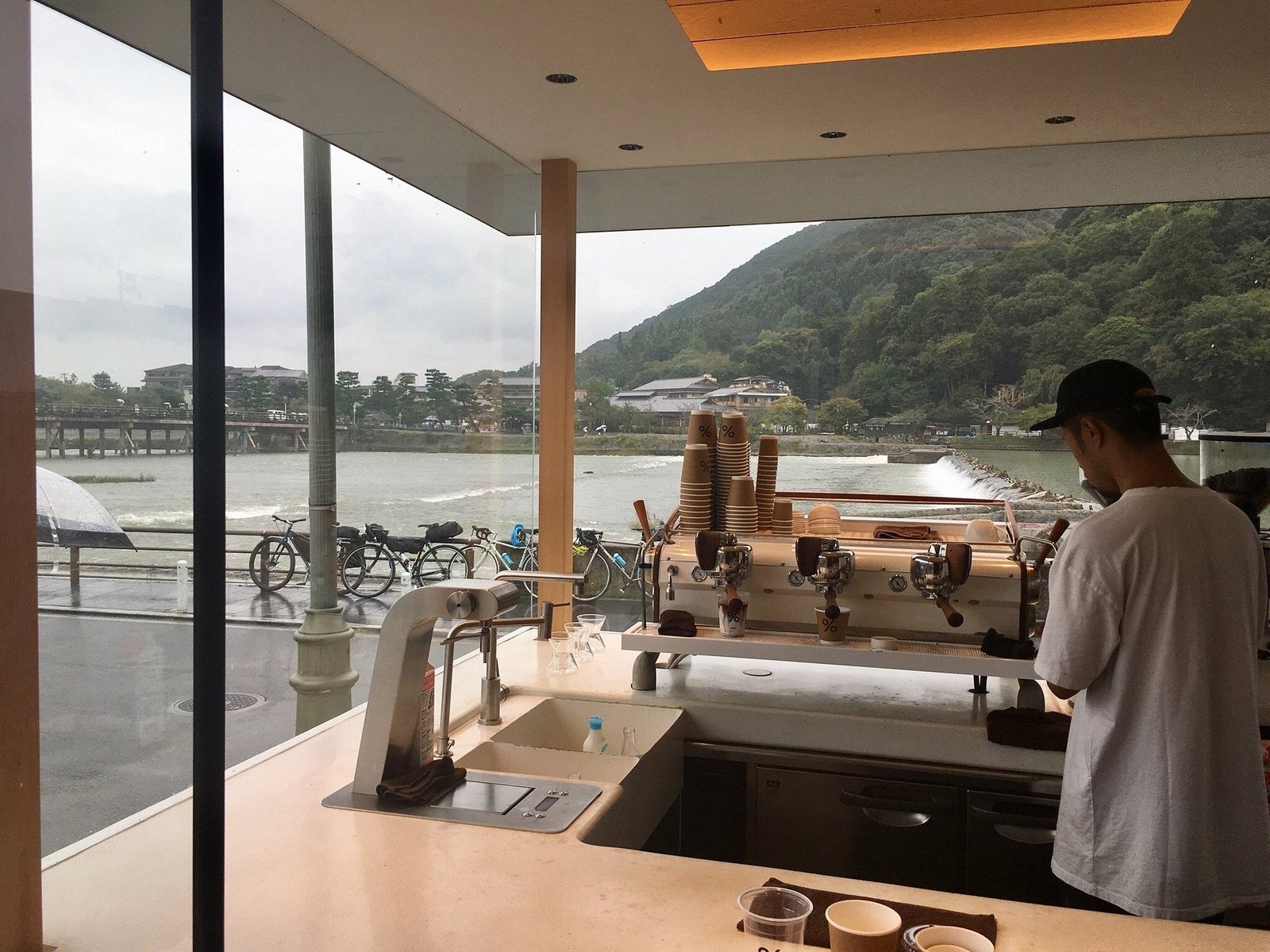
With dozens of fantastic, independent cafes scattered across the city, Kyoto’s modern cafe culture is well worth exploring. Here is a curated short list of our absolute favorites, all personally tasted, tested, and thoroughly enjoyed!
Why Kyoto’s Cafe Culture is Unmissable
Kyoto might be globally renowned for its historic traditional teahouses and old-school kaiseki restaurants, but to overlook its more modern, vibrant hangout spots would be a tragedy of mild proportions. Forget the standard global chains like Starbucks or Tully’s – we are talking about fiercely independent cafes and third-wave coffee joints that serve exceptional, artisanal coffee alongside a heavy dose of modern Kyoto charm.
Third-Wave Coffee in Historic Machiya
What makes the local coffee scene so unique is the architecture. Many of the newer, trendiest cafes are located inside beautifully renovated machiya (traditional Japanese wooden townhouses). This brilliant adaptive reuse effectively marries old-world architectural charm, complete with tatami mats and indoor courtyard gardens, with highly contemporary, precision-based coffee brewing methods.
Independent cafes in Kyoto are literally everywhere. There is an abundance of them hidden in the alleys of downtown Kawaramachi, and we highly recommend being bold – just walk into one that takes your fancy. More often than not, they will provide a fantastic, relaxing atmosphere to recharge after a long day of temple hopping.
Top Rated Independent Coffee Shops
In the meantime, here are a few specific places we absolutely love for your next caffeine fix.
Café Bibliotic Hello! (Central Kyoto)
A Book-Lover’s Wooden Haven
Even if it lacked its marvelously quirky name, this uber-hip Kyoto cafe would still be a top favorite. Built entirely inside a beautifully renovated multi-story machiya, the owner showcases wickedly good interior design sense. The space is packed from floor to ceiling with thousands of vintage books, manga, and art magazines, creating a cozy, intellectual atmosphere. It is the perfect spot to sip on a rich espresso while getting lost in a good read.
% Arabica Higashiyama (Southern Higashiyama)
Iconic Lattes with Pagoda Views
This super-stylish, globally recognized coffee shop serves some of the absolute best specialty coffee in Kyoto. It occupies a prime, highly photographed position on a lovely, narrow cobblestone lane leading up to the iconic Yasaka-no-To Pagoda. The floor-to-ceiling glass windows offer a stunning view of the historic street, making their signature latte art an essential Instagram moment for visitors exploring the Higashiyama preservation district.
% Arabica Arashiyama (Arashiyama)
Riverside Coffee and Zen Vibes
If you desperately need a caffeine pick-me-up while exploring the famous bamboo groves of Arashiyama, head straight to this stylish, airy coffee shop situated right on the banks of the scenic Hozu-gawa River. The minimalist white exterior contrasts beautifully with the lush green mountains in the background. Grab a seat on the outdoor wooden deck to enjoy a perfectly extracted pour-over while watching the traditional wooden boats glide down the river.
Kurasu Kyoto (Kyoto Station Area)
Minimalist Design and Local Beans
Located just a few short minutes from the bustling Kyoto Station, Kurasu Kyoto is a remarkably stylish, industrial-chic cafe that serves excellent, locally roasted coffee. They focus heavily on highlighting seasonal Japanese micro-lot beans and offer fantastic pour-over options. As a massive bonus for international travelers, the staff is highly proficient in English and very welcoming, making it the ultimate convenient stop before catching your bullet train.
Frequently Asked Questions About Kyoto Cafes
What is the most famous coffee shop in Kyoto?
The most famous coffee shop in Kyoto is undoubtedly % Arabica Higashiyama. Known globally for its minimalist branding, exceptional latte art, and stunning floor-to-ceiling glass windows that frame the historic Yasaka Pagoda, it is a must-visit destination for coffee lovers and photographers alike.
Where can I find a traditional machiya cafe in Kyoto?
You can find beautiful machiya (traditional wooden townhouse) cafes all over the city, but Café Bibliotic Hello! in central Kyoto is one of the best examples. Other great areas to explore for renovated machiya coffee shops include the historic Nishijin weaving district and the quiet, residential streets of Northern Higashiyama.
Are there good specialty coffee shops near Kyoto Station?
Yes, Kurasu Kyoto is widely considered the best specialty coffee shop near Kyoto Station. Located just a short walk from the Hachijo exit, it offers a fantastic selection of Japanese micro-lot beans, excellent pour-over coffee, and a highly English-friendly staff, making it perfect for travelers.
What is a traditional kissaten in Kyoto?
A kissaten is a traditional, old-school Japanese coffee shop that originated in the Showa era. Unlike modern third-wave cafes, kissaten typically feature dim lighting, velvet seating, jazz music, and a menu focused on dark-roast drip coffee, thick fruit sandwiches, and naporitan (Japanese spaghetti). They offer a wonderful, nostalgic glimpse into mid-century Japanese cafe culture.
Do Kyoto cafes offer vegan and dairy-free milk options?
Yes, the modern third-wave coffee scene in Kyoto is very accommodating to dietary restrictions. Most specialty coffee shops, including Kurasu and % Arabica, offer alternative milks such as oat milk, soy milk, and almond milk. However, it is always best to check the menu or ask the barista, as some traditional kissaten may only serve dairy.
Is there free Wi-Fi and workspace in Kyoto coffee shops?
While many modern, independent cafes in Kyoto offer free Wi-Fi, they are generally designed for relaxing and socializing rather than long-term remote work. If you need a dedicated workspace with ample power outlets, you are better off visiting larger chain cafes, dedicated co-working spaces, or hotel lobbies, as small independent machiya cafes often discourage the use of laptops during peak hours.
Where is the best cafe with a scenic view in Kyoto?
For the best scenic view, % Arabica Arashiyama is unbeatable. Its outdoor wooden deck sits directly on the banks of the Hozu River, offering beautiful views of the Arashiyama mountains and passing river boats. Alternatively, % Arabica Higashiyama offers a stunning, framed view of the iconic Yasaka Pagoda through its massive glass windows.
How much does a cup of coffee cost in Kyoto?
The cost of coffee in Kyoto is quite reasonable and comparable to other major global cities. At a specialty third-wave cafe like Kurasu or % Arabica, expect to pay between 400 and 600 yen for a standard espresso-based drink like a latte or cappuccino. Pour-over coffees using premium, rare Japanese beans can cost between 700 and 1,200 yen.
Do I need to make reservations for popular cafes in Kyoto?
Generally, no. Most cafes in Kyoto, including the highly popular % Arabica locations, operate on a strict first-come, first-served walk-in basis. Because spaces inside historic machiya cafes are often quite small, you may encounter a short queue during weekend peak hours, but reservations are rarely an option.
Do you tip baristas at coffee shops in Japan?
No, you do not tip baristas or any service staff in Japan. Tipping is not a part of Japanese culture and can actually cause confusion or embarrassment for the staff. Excellent, polite service is considered the standard and is already included in the price of your coffee. Simply say “arigato gozaimasu” (thank you very much) when receiving your drink.