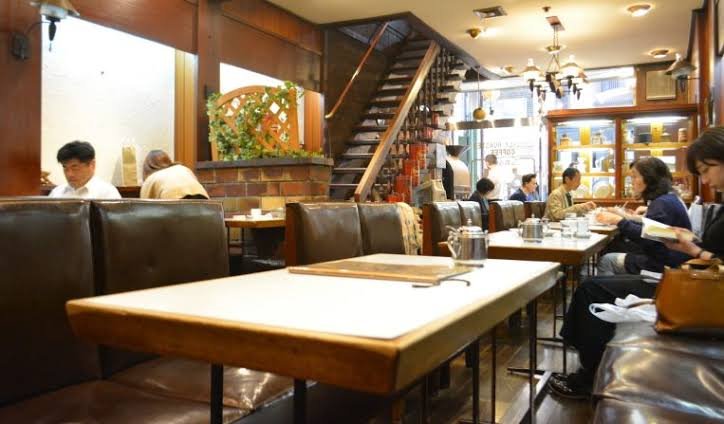
Modern Kyoto has no shortage of trendy, third-wave independent coffee shops, but we have an equal fondness for the city’s retro kissaten. If you want to experience the true soul of Japanese coffee culture, stepping into a vintage kissaten is an absolute must. Here is our curated guide to the best retro coffee houses in Kyoto.
What is a Traditional Japanese Kissaten?
Think of a kissaten as a retro cafe. They are distinctly different from modern minimalist coffee shops. Instead, they are the Japanese interpretation of classic European-style coffee houses, heavily infused with a romantic, belle époque atmosphere.
When you walk into a kissaten, you are immediately greeted by dim, moody lighting, polished wood paneling, plush velvet booths, and the soft sound of vintage jazz playing in the background. The coffee here is distinctly inky, dark, and robust, often verging on a rich, smoky roast. You absolutely will not find trendy cafe lattes or matcha foam art here! Instead, expect masterfully brewed, strong black coffee served in heavy, classic ceramic cups.
The Rich History of Kyoto’s Vintage Cafes
Kyoto is a city that deeply prizes tradition and excels at preserving its old establishments. Because of this, there are many historic kissaten scattered across the city. Most of these nostalgic havens have been operating continuously for decades, and some even date back to before World War II.
They serve as beautiful time capsules, offering a glimpse into the Showa era of Japan. The few locations we have listed below only begin to scratch the surface of kissaten culture in Kyoto, but they provide a perfect, highly accessible introduction to the city’s retro coffee scene.
Top Retro Cafes in Kyoto
Here are our absolute favorite vintage coffee spots to visit on your next trip.
Smart Coffee Teramachi
Teramachi Arcade Location
Tucked away inside the bustling, covered Teramachi Shopping Arcade, Smart Coffee is a legendary retro kissaten in downtown Kyoto. Stepping through its doors feels like traveling back to the 1960s. The interior is beautifully preserved, featuring classic wooden counters, vintage lighting, and a wonderfully nostalgic, quiet ambiance that sharply contrasts with the busy shopping street just outside.
Famous Egg Sandwiches
While the dark, aromatic coffee is fantastic, Smart Coffee is arguably most famous for its food. Their thick, fluffy egg sandwiches (tamago sando) are absolutely killer, featuring perfectly soft-boiled, creamy egg yolks nestled between pillowy slices of crustless white bread. Making time for a leisurely breakfast or an afternoon tea and cake set here is an absolute no-brainer.
Inoda Coffee Honten Main Branch
Grand Showa-Era Atmosphere
There are several branches of the venerable Inoda Coffee chain scattered throughout Kyoto, but the old-school atmosphere at their downtown honten (main branch) on Sanjo-dori is entirely unmatched. Founded in 1940, this grand cafe features soaring ceilings, elegant chandeliers, and waiters in crisp, traditional uniforms. It exudes a sophisticated, old-world European charm that has made it a beloved local institution for generations.
Legendary Morning Sets
Inoda Coffee is famous for popularizing the Kyoto “morning set” (asa set). If you visit before 11:00 AM, ordering a simple cup of coffee gets you a complimentary thick slice of toasted bread slathered in rich red bean paste or butter, along with a perfectly hard-boiled egg. It is a quintessential Kyoto morning experience.
Kissaten Otafuku Kawaramachi
Hidden Downtown Oasis
For a quick, peaceful escape from the overwhelming hustle and bustle of downtown Kyoto, drop by Otafuku in the Kawaramachi district. Though it is located right in the chaotic heart of the city’s main shopping area, the moment you step inside, you are instantly whisked away to another world. The quiet, dimly lit interior offers a profound sense of calm and solitude.
Traditional Siphon Brewing
Otafuku is a purist’s dream. The bartenders here take their craft incredibly seriously, often brewing their robust, dark-roast coffee using traditional glass siphon brewers. Watching the water vaporize and mix with the grounds in the glowing, scientific-looking apparatus is a mesmerizing experience that perfectly complements the retro, intellectual vibe of the room.
10 Frequently Asked Questions About Kyoto Kissaten
What exactly is a kissaten in Japan?
A kissaten is a traditional, old-school Japanese coffee house that originated in the early to mid-20th century. Unlike modern cafes that focus on light roasts and espresso machines, kissaten focus on dark-roasted drip or siphon coffee, a cozy, dimly lit atmosphere, and classic comfort foods. They are the Japanese equivalent of a vintage European cafe.
What is the difference between a kissaten and a modern cafe?
Modern cafes in Kyoto typically feature bright lighting, minimalist decor, third-wave light-roast beans, and trendy milk-based drinks like lattes. A kissaten, on the other hand, features dark wood interiors, jazz music, heavy ceramic cups, and strong, dark, bitter black coffee. Kissaten are designed for quiet relaxation and reading, rather than socializing or working on laptops.
What kind of coffee is served at a traditional kissaten?
Kissaten typically serve very dark, heavily roasted coffee that is strong, robust, and slightly smoky. The brewing methods are usually traditional, such as hand-drip (pour-over),ネルドリップ (flannel cloth drip), or siphon brewing. It is almost always served black, with a small pitcher of milk and sugar cubes on the side.
What food should I order at a retro Japanese coffee shop?
The classic kissaten menu features Japanese-Western fusion comfort food. You must try the tamago sando (thick, fluffy egg salad sandwiches), fruit sandos (fresh fruit and cream sandwiches), and thick slices of toast. Many also serve classic Japanese parfaits, spaghetti Napolitan, and rich curry rice.
Where is the best historic coffee shop in downtown Kyoto?
Inoda Coffee Honten (Main Branch) on Sanjo-dori and Smart Coffee in the Teramachi Arcade are widely considered the best and most historic kissaten in downtown Kyoto. Both offer incredibly authentic, preserved Showa-era atmospheres and have been serving the city for many decades.
Do kissaten in Kyoto have Wi-Fi or allow laptops?
Generally, no. The traditional kissaten culture in Japan is all about disconnecting, relaxing, and enjoying the moment. Most vintage coffee shops do not offer free Wi-Fi, and using a laptop is heavily frowned upon. It is considered a space to read a book, listen to jazz, or have a quiet conversation.
Are kissaten in Kyoto expensive?
No, kissaten are actually very affordable and offer great value. A standard cup of coffee usually costs between 500 and 800 yen. Furthermore, many kissaten offer a “morning set” (asa set) where ordering a coffee before 11:00 AM includes a free slice of toast and a boiled egg for no extra charge.
What is a “Morning Set” (Asa Set) in Kyoto?
The “Morning Set” is a beloved coffee shop tradition in Kyoto (originally inspired by Nagoya culture). If you visit a kissaten like Inoda Coffee between opening and 11:00 AM and order a drink, you will receive a complimentary snack. This usually consists of a thick slice of toasted bread with butter or red bean paste, and a hard-boiled egg.
What is the most famous historic coffee chain in Kyoto?
Inoda Coffee is undeniably the most famous and historic coffee chain in Kyoto. Founded in 1940, it has grown from a single small shop into a beloved local institution with multiple locations across the city. It is deeply woven into the daily lives of Kyoto residents and is a must-visit for coffee history lovers.
Can I smoke inside a kissaten in Kyoto?
Historically, kissaten were known as havens for smokers, and the air would often be hazy with cigarette smoke. However, due to Japan’s strict updated health and hospitality laws implemented in recent years, the vast majority of kissaten in Kyoto are now strictly non-smoking indoors. Some older establishments may have a separate, sealed smoking room, but you should always check the signage at the entrance.