Long before coffee culture swept the nation, tea reigned supreme as the undisputed king of Japanese beverages. As Japan’s imperial and cultural capital for over a millennium, Kyoto sits at the very heart of this rich, historic tradition. This is the exact region where the delicate art of matcha (finely milled powdered green tea) and wagashi (traditional artisanal tea sweets) reached its absolute zenith.
Experiencing authentic Japanese tea culture is vastly different from sipping Western-style black teas, making it an absolute must-do activity during your visit. As a fantastic bonus for plant-based travelers, traditional wagashi are almost entirely vegan. They are crafted beautifully from sweet azuki beans, sugar, and rice flour, containing absolutely no dairy or animal products.
Why Kyoto is the Capital of Tea Culture
Today, the city is home to hundreds of exceptional teahouses, historic tea rooms, and modern matcha bars. You can duck into almost any one of these sanctuaries for a comforting spot of Japanese tea and seasonal sweets. While the sheer number of options can be overwhelming, we have curated a list of our absolute favorite establishments to help you experience the very best of Kyoto’s tea heritage.
The Magic of Matcha and Vegan Sweets
The pairing of bitter, umami-rich matcha with intensely sweet wagashi is a masterclass in culinary balance. The high-quality green tea is traditionally whisked into a frothy, vibrant emerald liquid, providing a robust, slightly astringent backdrop that perfectly cuts through the rich, sugary bean pastes. Because these sweets rely on plant-based ingredients like agar-agar (kanten) instead of gelatin, they offer a guilt-free, dairy-free indulgence that highlights the natural flavors of the season.
Best Traditional Tea Houses in Kyoto
Here are the top-rated, highly recommended tea shops and wagashi parlors you must visit on your next trip.
Kasagiya Southern Higashiyama
Rustic and Atmospheric Tea House
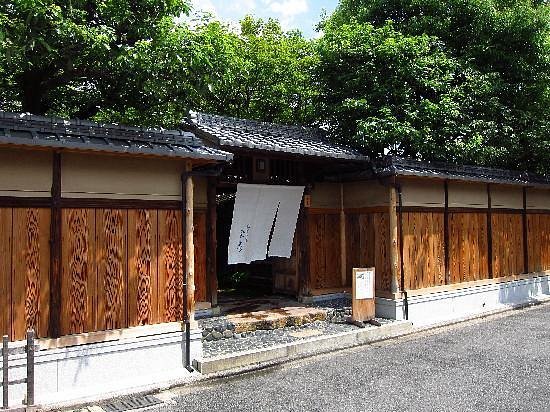
Widely considered the most atmospheric, old-world little tea house in all of Kyoto, Kasagiya is a rustic haven tucked away in the historic Southern Higashiyama district. We never pass by this charming, wooden establishment without stopping in for a hot, frothy cup of matcha and a freshly grilled sweet. The interior feels frozen in time, offering a deeply authentic, unpretentious environment where you can watch the masters craft their traditional treats right in front of you.
Kagizen Yoshifusa Gion District
Serene Garden Views and Seasonal Sweets
Located in the heart of the famous Gion geisha district, Kagizen Yoshifusa is a legendary, centuries-old traditional sweet shop. They feature a remarkably serene, tranquil tea room where you can sit and enjoy their exquisite wagashi alongside cups of thick, ceremonial-grade matcha. They are particularly famous for their stunning seasonal creations, especially their translucent Mizu Manju (water sweets) made from clear agar jelly, which are an absolute must-try during the humid summer months.
Toraya Ichijoji Near Imperial Palace
Elegant Surroundings and Premium Yokan
For a taste of serious, high-end Kyoto confectionery paired with wonderful matcha in incredibly elegant surroundings, take a short walk west of the Kyoto Imperial Palace to Toraya Ichijoji. Toraya is one of Japan’s most prestigious and historic wagashi makers, having supplied the Imperial Household for generations. The Ichijoji branch features a stunning, minimalist tearoom designed by a famous architect, making it the perfect sophisticated spot to savor their world-renowned, meticulously crafted yokan (jellied red bean cake).
Marukyu Koyamaen Teahouse Motoan
Ultimate Uji Matcha Experience
At Teahouse Motoan, you truly can have your cake and eat it, alongside the finest cup of green tea in the city. Marukyu Koyamaen is a top-tier tea farmer from the world-famous Uji region, and this dedicated tearoom allows you to experience their ultra-premium, award-winning matcha directly at the source. The space is beautifully designed to highlight the vibrant green color of the tea, and their seasonal matcha parfaits and rich, creamy matcha soft-serve are legendary among locals and tourists alike.
Zenkashoin Muramachi Gallery Cafe
Western Pastries Meets Japanese Tea
For a unique culinary twist, check out Zenkashoin, a wonderful gallery and café located on Muramachi-dori, just a short walk northwest of the bustling downtown core. Instead of traditional bean sweets, this elegant space specializes in wonderful Japanese takes on Western-style baked pastries. Think delicate fruit tarts, fluffy sponge cakes, and artisanal chocolates, all perfectly paired with excellent, high-grade Japanese green tea. It is a brilliant fusion concept housed in a beautiful, art-filled space.
Saryo Housen Central Kyoto Suburbs
Hidden Suburban Tea Sanctuary
You would have to know exactly where to go to find Saryo Housen, as it is tucked away in the quiet, residential suburbs of Central Kyoto. Far from the chaotic tourist trails, this hidden gem is widely regarded by locals as one of the city’s absolute finest shops for tea and sweets. It is incredibly well worth seeking out. The intimate, quiet atmosphere and their meticulously curated, seasonal set menus provide a deeply peaceful, authentic tea experience that feels like a warm embrace.
10 Frequently Asked Questions About Kyoto Tea and Sweets
What is the difference between matcha and regular green tea?
Unlike regular green tea where the leaves are steeped and then discarded, matcha is made from shade-grown tea leaves that are stone-ground into a fine powder. When you drink matcha, you are consuming the entire leaf, which provides a much higher concentration of antioxidants, a vibrant green color, and a rich, umami-heavy flavor profile compared to standard steeped sencha.
Are traditional Japanese wagashi sweets vegan?
Yes, the vast majority of traditional wagashi are completely vegan. They are primarily crafted using plant-based ingredients such as sweet azuki red bean paste (anko), sugar, rice flour (mochiko or shiratamako), and kanten (agar-agar derived from seaweed). They naturally contain no dairy, butter, or gelatin, making them an excellent treat for plant-based diets.
What is the best time of day to eat wagashi and drink matcha?
Traditionally, matcha and wagashi are enjoyed in the mid-afternoon, around 3:00 PM, as a restorative break during the day. The natural caffeine and L-theanine in the matcha provide a calm, focused energy boost, while the natural sugars from the bean paste replenish your energy. However, teahouses in Kyoto are open throughout the day, so you can enjoy them whenever you crave a sweet treat.
Why is Uji matcha considered the best in Japan?
Uji is a city located just south of Kyoto and is historically recognized as the birthplace of premium Japanese green tea. The region boasts an ideal microclimate with misty mornings, rich soil, and perfect drainage. Combined with centuries of specialized cultivation techniques and master tea blenders, Uji produces matcha with an unparalleled depth of umami, vibrant color, and lack of bitterness.
What is Mizu Manju and when can I eat it?
Mizu Manju, which translates to “water sweet,” is a highly seasonal wagashi traditionally eaten only during the hot summer months, typically from June through August. It consists of a small amount of sweet red bean paste encased in a clear, translucent jelly made from kanten (agar). The clear, watery appearance is designed to evoke a feeling of coolness and refreshment during the sweltering Japanese summer.
How much does a matcha and wagashi set cost in Kyoto?
The price of a traditional matcha and wagashi set in Kyoto varies depending on the prestige of the teahouse and the grade of the tea. At a casual, neighborhood tea shop, you can expect to pay between 800 and 1,500 yen. At high-end, historic establishments or luxury hotel tea rooms, a premium set featuring ceremonial-grade matcha and artisanal sweets can range from 2,000 to 4,000 yen or more.
Is it considered rude to drink matcha quickly?
Yes, in a traditional setting, it is considered polite to drink matcha slowly and deliberately. Matcha is meant to be savored, allowing you to appreciate the complex aroma, the initial bitterness, and the lingering sweet umami finish. Furthermore, because the tea is served hot and thick, sipping it gently prevents you from burning your mouth and shows respect for the careful preparation of the tea master.
Can I buy wagashi as souvenirs to take home from Kyoto?
Absolutely. Kyoto is the best place in Japan to purchase high-quality wagashi as gifts. Prestigious shops like Toraya and Kagizen offer beautifully packaged boxes of their famous sweets. However, be aware that traditional fresh wagashi (namagashi) have a very short shelf life of only one to three days because they contain no preservatives. For longer trips, opt for dried sweets (higashi) or vacuum-sealed yokan.
Do Kyoto teahouses accommodate gluten-free diets?
Many traditional wagashi are naturally gluten-free because they rely heavily on rice flour, bean paste, and agar rather than wheat flour. Sweets like yokan, nerikiri, and daifuku are usually safe. However, some items like certain types of manju or monaka may contain wheat. Since cross-contamination is possible in small kitchens, it is always highly recommended to inform the staff of your dietary restrictions before ordering.
What should I order if I do not like sweet red bean paste?
While red bean paste (anko) is the most common filling in wagashi, there are plenty of alternatives if you dislike it. Look for matcha-flavored sweets, sweet potato (beni-imo) treats, chestnut (kuri) confections, or seasonal fruit-based jellies. You can also visit modern fusion cafes like Zenkashoin, which specialize in Western-style pastries like fruit tarts and sponge cakes paired with green tea.