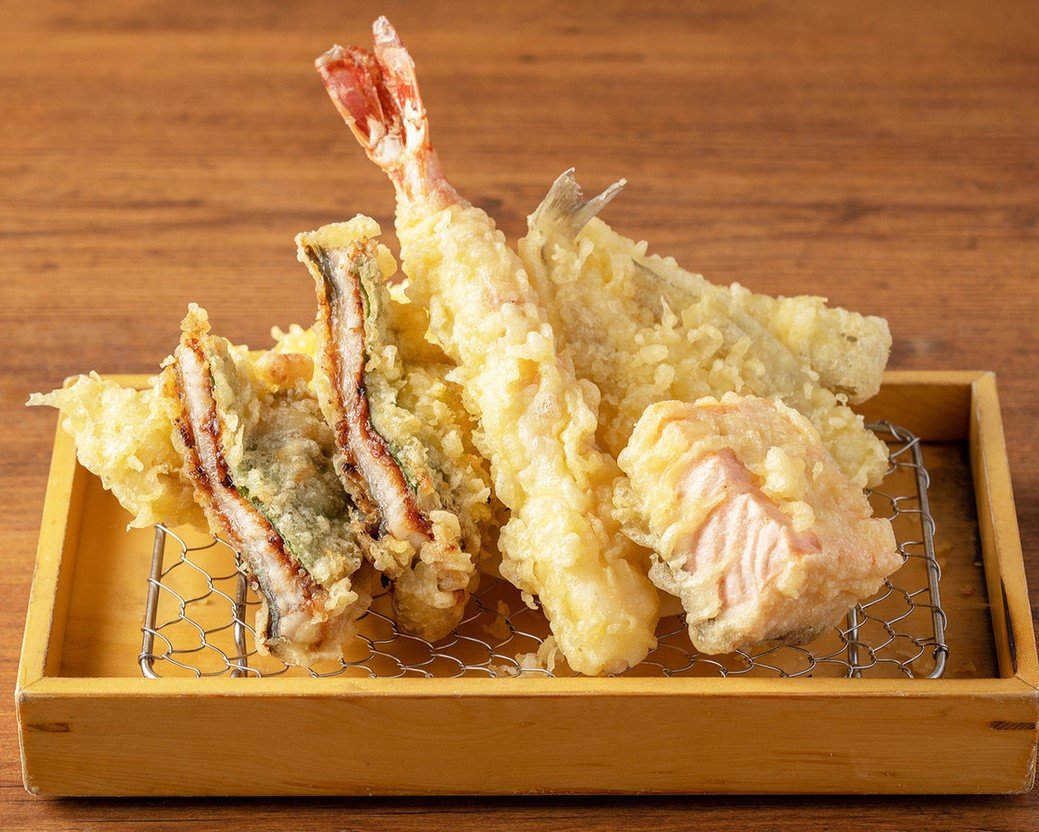
While tempura is considered a quintessential Japanese dish, it actually arrived in Japan via Portuguese traders in the 16th century! Today, tempura remains one of the most beloved staples of the national cuisine, and Kyoto boasts an exceptional selection of world-class tempura spots.
The Art of Kyoto Tempura
You might wonder if there’s a limit to what master chefs can do with battered, deep-fried seafood and seasonal vegetables. The sky is truly the limit. Tempura meals in Kyoto range from delightfully casual, local eateries to utterly refined, multi-course kaiseki-style dinners. The batter can be feather-light and crispy, or packed with savory flavor, often complemented by a delicate dipping sauce or a sprinkle of premium sea salt. Whatever your preference, there is a perfect tempura restaurant waiting for you.
Top Tempura Restaurants in Kyoto (With English Menus)
This is our curated selection of the best tempura spots in Kyoto. Not only are these establishments known for their welcoming and approachable service, but they also provide English-language menus, making your authentic dining experience completely seamless.
Kyo Tominokoji Tempura Yoshikawa (Downtown Kyoto | Premium)
Yoshikawa Tempura serves what many consider to be Kyoto’s absolute best tempura. Housed in a stunning, historic wooden building centered around a sublime, traditional Japanese garden, it offers an unforgettable, high-end dining atmosphere that celebrates both food and nature.
Tempura Endo Yasaka (Southern Higashiyama | Premium)
How many tempura establishments can you name that have been in business for over a century? Tempura Endo Yasaka has been deep-frying food with masterful flair for more than 100 years. With tempura of this caliber, it is no wonder they have remained a beloved culinary institution for generations.
Tenyu (Downtown Kyoto | Premium)
Fresh, seasonal ingredients superbly deep-fried in a crisp, delicate batter—what is not to love? Located conveniently near Kyotoshiyakushomae Station, Tenyu offers some of the finest tempura in Kyoto. Head over to have your entire concept of traditional tempura redefined.
Frequently Asked Questions (FAQs) About Tempura in Kyoto
1. What makes Kyoto-style tempura unique compared to other regions?
Kyoto tempura often emphasizes shun (seasonality), utilizing premium, locally sourced vegetables from the surrounding Kansai region and fresh seafood from nearby markets. The batter is typically made with soft water (abundant in Kyoto), resulting in an exceptionally light, delicate, and crisp texture that doesn’t overpower the natural flavor of the ingredients.
2. Do the top tempura restaurants in Kyoto offer English menus?
Yes! The restaurants highlighted in this guide (Yoshikawa, Endo Yasaka, and Tenyu) are highly accustomed to international guests and provide English-language menus. Many also have staff who can assist with basic English communication to ensure a comfortable dining experience.
3. Is tempura in Kyoto expensive?
Tempura in Kyoto spans a wide price range. While the premium establishments listed above offer high-end, multi-course experiences (often ranging from ¥10,000 to ¥30,000+ per person), there are also excellent, more affordable tempura-ya (tempura shops) and casual sets available in downtown Kyoto and near major train stations for under ¥3,000.
4. Do I need to make reservations for tempura restaurants in Kyoto?
For high-end, premium establishments like Tempura Yoshikawa or Tempura Endo Yasaka, reservations are highly recommended and often required weeks in advance, especially during peak tourist seasons (spring cherry blossoms and autumn foliage). Casual spots usually operate on a first-come, first-served basis.
5. Is tempura in Japan gluten-free?
Traditional tempura batter is made with wheat flour, so it is not gluten-free. However, some modern or specialized restaurants in Kyoto may offer gluten-free batter alternatives upon request. If you have celiac disease or a severe gluten intolerance, it is best to contact the restaurant in advance or seek out specifically certified gluten-free dining options.
6. Can vegetarians or vegans enjoy tempura in Kyoto?
Absolutely. Kyoto is famous for its shojin ryori (traditional Buddhist vegetarian cuisine), and many tempura restaurants excel at vegetable tempura (yasai tempura). Ingredients like sweet potato, lotus root, eggplant, shiitake mushrooms, and bamboo shoots are staples. Note: Always confirm that the frying oil is 100% plant-based and not shared with seafood, as some traditional kitchens use the same oil.
7. What is the best time of day to eat tempura in Kyoto?
Lunch is often the best time to experience high-end tempura restaurants at a more accessible price point, as many offer special lunch sets (teishoku) that are significantly cheaper than their dinner courses. Dinner is ideal for the full, leisurely, multi-course experience.
8. What is the proper etiquette for eating tempura in Japan?
Tempura is best eaten immediately after it is served while it is still hot and crispy. It is perfectly acceptable to eat it with your hands, though chopsticks are also fine. Dip the tempura lightly into the tentsuyu (dipping sauce) mixed with grated daikon, or simply sprinkle it with matcha salt or sea salt to enhance the natural flavors. Avoid soaking the batter, as it will become soggy.