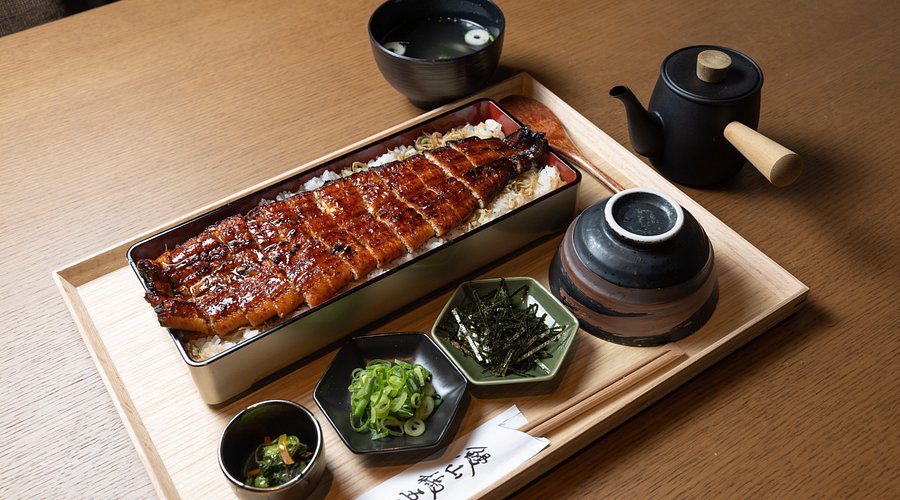
If you have ever eaten sushi, you have likely encountered the word “unagi” on the menu. Unagi is the Japanese term for freshwater eel, and it is considered a highly prized culinary delicacy. The appreciation for this ingredient is so deep in Japanese culture that there are entire specialty restaurants—known as unagi-ya—dedicated exclusively to serving perfectly grilled eel. If you are looking for the best unagi in Kyoto, this guide highlights the city’s top-rated eel establishments.
Why You Must Try Authentic Kyoto Unagi
Grilled freshwater eel might sound intimidating if you have never tried it, but do not let its appearance fool you. When prepared by a master chef, it transforms into one of the most unforgettable and luxurious meals of your Japan trip.
Imagine a bite of fish that is as tender and flaky as premium steamed cod, featuring a beautifully caramelized, crisp exterior glazed with a rich, sweet-and-salty soy-based tare sauce. It is best enjoyed wolfed down over a bed of steaming white rice and chased with a sip of cold sake.
Kansai Style vs. Tokyo Style Grilled Eel
The preparation of unagi varies wildly by region, and Kyoto takes great pride in its local methods. In East Japan (Tokyo), eel is typically split down the back, steamed, and then grilled to achieve a melt-in-your-mouth texture.
However, in West Japan and the Kansai region—including Kyoto—the eel is sliced straight down the belly and grilled directly over hot charcoal without steaming. This authentic Kansai style yields a wonderfully crispy skin and a slightly firmer, more toothsome texture. This is the traditional way most historic eel restaurants in Kyoto serve their unagi.
The Cost of Eating Unagi in Kyoto
Due to severe overfishing, habitat loss, and environmental changes, wild Japanese freshwater eel supplies are dwindling rapidly. Consequently, a high-quality meal of grilled unagi is significantly more expensive than your average bowl of ramen or curry in Kyoto.
You should expect to spend at least 3,000 to 5,000 JPY per person for a standard rice bowl set, with premium omakase experiences costing much more. Because of the premium price tag, it is crucial to choose an eel restaurant that truly justifies the cost. The Kyoto establishments below absolutely fit that bill.
Top Rated Unagi Restaurants in Kyoto
Kane-yo (Central Kyoto | Mid-Range)
Kane-yo is widely considered one of the best traditional spots in Kyoto to sample authentic unagi. Stepping inside, the restaurant positively oozes classic “old Kyoto” charm with its dark wood interiors and nostalgic, Showa-era atmosphere. The eel here is grilled to perfection over binchotan charcoal, delivering a deeply smoky flavor and a rich, savory glaze that pairs flawlessly with their premium rice.
Unagi Hirokawa (Arashiyama | Mid-Range)
Located on the bustling main street of the scenic Arashiyama district, Unagi Hirokawa is an exceptional Michelin-starred grilled eel specialist. They are famous for their incredibly tender meat and perfectly crisped skin. Be warned: this is a highly sought-after destination. You must book well in advance or be prepared to wait in line for hours, so plan your Arashiyama bamboo grove visit accordingly.
Pontocho Izumoya (Central Kyoto | Mid-Range)
Situated in the historic and atmospheric Pontocho alley along the Kamogawa River, Pontocho Izumoya has been serving up deliciously tender, smoky grilled eel for over a century. The restaurant offers a fantastic blend of high-quality traditional food and a welcoming environment. As a bonus, it is highly tourist-friendly, with English menus available and a beautiful riverside ambiance.
Gion Uokeya U (Southern Higashiyama | Mid-Range to Expensive)
Forget the standard eel rice bowls; have you ever experienced an eel rice bucket? At the 1-Michelin-starred Gion Uokeya U, located in the famous Gion geisha district, their signature dish is an oke-meshi. This stunning presentation features a traditional wooden bucket filled with fragrant rice and generously layered with sweet, caramelized eels. It is a truly spectacular and unique dining experience.
Warajiya (Kyoto Station Area | Expensive)
With an astonishing history of over 400 years of serving unagi, Warajiya boasts an eel pedigree that is completely unmatched in the city. Located conveniently near Keihan Shichijo Station, this historic establishment serves incredibly rich, deeply flavorful eel. It is the perfect culinary pairing for a morning or afternoon visit to the nearby Sanjusangendo Temple, home to 1,001 golden Kannon statues.
Frequently Asked Questions About Unagi in Kyoto
What is the best time of year to eat unagi in Japan?
Traditionally, the best time to eat unagi is during the peak of summer, specifically on a traditional day called Doyo no Ushi no Hi (Midsummer Day of the Ox). Eel is believed to provide essential stamina and nutrients to help the body beat the intense summer heat, though it is considered a delicacy and enjoyed year-round.
What is the difference between Unadon and Unaju?
Both dishes consist of beautifully grilled eel served over steamed white rice. The difference lies entirely in the container: Unadon is served in a round, lacquered bowl (donburi), while Unaju is served in a beautiful, tiered square lacquered box (jubako). Unaju is typically considered a more premium and formal presentation.
Why is unagi so expensive in Kyoto restaurants?
Japanese freshwater eel (Anguilla japonica) is currently an endangered species due to severe overfishing, habitat loss, and environmental changes. The rapidly declining supply and consistently high demand for wild-caught or high-quality farmed eel have driven the price of authentic unagi meals significantly higher in recent years.
What is Kansai-style unagi?
Kansai-style unagi, which is the traditional method used in Kyoto, involves splitting the eel down the belly and grilling it directly over hot charcoal without steaming it first. This results in a wonderfully crispy, crunchy skin and a slightly firmer, more robust texture compared to the soft, steamed Kanto (Tokyo) style.
Do I need reservations for Michelin-starred unagi restaurants in Kyoto?
Yes, absolutely. Highly rated and Michelin-starred eel restaurants in Kyoto, such as Unagi Hirokawa and Gion Uokeya U, are incredibly popular with both locals and international tourists. Reservations are essential, and some high-end spots may even require a Japanese phone number or a hotel concierge to book on your behalf.
Is unagi healthy to eat?
Yes, unagi is highly nutritious and considered a health food in Japan. It is packed with high-quality protein, omega-3 fatty acids, calcium, and essential vitamins, particularly Vitamin A and Vitamin E. It is traditionally consumed to restore energy, improve blood circulation, and combat summer fatigue.
What does grilled unagi taste like?
Unagi does not taste “fishy” or muddy at all when prepared correctly. The meat is incredibly tender, rich, and slightly sweet, often compared to premium white fish or even a very tender, fatty steak. The flavor is heavily complemented by the tare—a sweet, savory, and smoky soy-based glaze it is repeatedly basted with while cooking.
Can vegetarians or vegans eat at unagi restaurants?
No, unagi is freshwater eel, which is a type of fish. It is strictly not vegetarian or vegan. However, many unagi restaurants also serve excellent side dishes like rolled omelets (tamagoyaki), pickled vegetables, and tofu, which can be suitable for pescatarians or vegetarians if ordered carefully and confirmed with the staff.
What is the best unagi restaurant near Kyoto Station?
Warajiya is the most famous and historic unagi restaurant near Kyoto Station. Located just a short walk or bus ride from Keihan Shichijo Station, it offers a 400-year-old culinary tradition, making it the perfect, highly convenient stop before or after catching a train.
What is “Kimoyaki” in an unagi restaurant?
Kimoyaki is a highly prized appetizer served at traditional unagi specialty restaurants. It consists of the eel’s liver, which is skewered and grilled over charcoal, then glazed with the same sweet and savory tare sauce used for the eel meat. It has a rich, creamy, and deeply umami flavor, often compared by foodies to high-quality French foie gras.