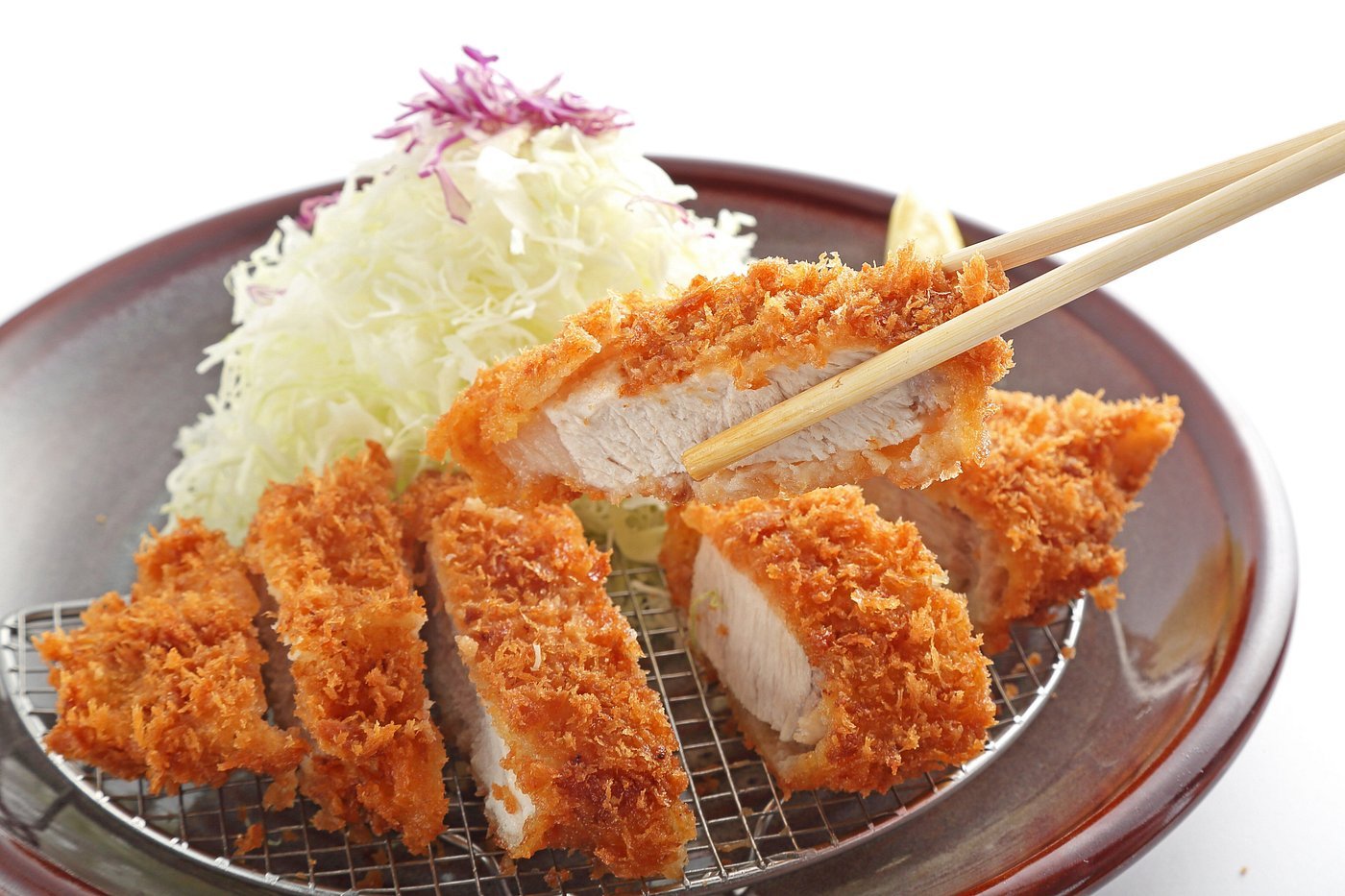
Tonkatsu is a beloved Japanese comfort food featuring breaded, deep-fried pork cutlets. If you are craving the ultimate crispy, juicy pork cutlet in Japan’s ancient capital, this guide covers the best tonkatsu restaurants in Kyoto.
What is Authentic Japanese Tonkatsu?
At its core, tonkatsu is beautifully simple, but the execution is what makes it a culinary masterpiece. Diners typically choose between hire (lean, tender pork fillet) or rosu (rich, fatty pork loin). When cooked perfectly, you bite through a shatteringly crisp panko breadcrumb shell into succulent, tender meat with a layer of fat that literally melts in your mouth.
A traditional tonkatsu set meal is generously served with a mountain of finely shredded cabbage to aid digestion, a bowl of steamed white rice, and a warm bowl of miso soup. For condiments, it is typically drizzled with a thick, tangy-sweet brown tonkatsu sauce, a dab of spicy karashi Japanese mustard, or simply sprinkled with premium sea salt.
Why Kyoto Excels at Fried Pork Cutlets
While tonkatsu originated in Tokyo and is not a traditional regional Kyoto specialty, this city takes its culinary standards incredibly seriously. Kyoto chefs apply their meticulous attention to detail and high-quality ingredient sourcing to this dish. As a result, the city is home to exceptional tonkatsu establishments that offer perfect oil temperatures, premium heritage pork, and house-made sauces, all without breaking the bank.
Top Rated Tonkatsu Restaurants
Here are our top recommendations for experiencing the best fried pork cutlets in the city.
Katsukura Sanjo Main Shop
Downtown Location and Pricing
Widely known simply as Katsukura, this famous chain elevates tonkatsu to an art form. The Sanjo main shop in downtown Kyoto stands out because the pork is exceptionally high quality and the signature brown sauce is made entirely in-house. Beyond pork, they offer fantastic variations like crispy chicken cutlets (chicken katsu) and delicious crab croquettes, making it the perfect spot when dining with a group that has different preferences. They are also famous for their complimentary, unlimited shredded cabbage refills.
Tonkatsu Butagorira Central
Central Kyoto Budget Dining
Don’t let the quirky name fool you; Tonkatsu Butagorira (which roughly translates to “Pork Gorilla”) is famous for serving massive portions and incredibly crunchy batter. They specialize in super-crispy panko encasing thick, juicy pork loin cutlets. Because of its central location and affordable prices, this cheap and cheerful spot is the absolute best place to grab a hearty, filling meal right before or after exploring the nearby historic Nijo Castle.
Tonkatsu Ichiban Station Area
Kyoto Station Area Value
Who can argue with tonkatsu made from premium pigs raised in the pristine Hokkaido mountains? Tonkatsu Ichiban sources exceptional pork to ensure maximum flavor and tenderness. Located just a 15-minute walk west of Kyoto Station, it requires a short trek, but the high-quality meat and excellent value for money make it well worth the walk. It is a fantastic, budget-friendly option for travelers arriving or departing from the city.
10 Frequently Asked Questions
What is the best tonkatsu in Kyoto?
The best tonkatsu in Kyoto is widely considered to be found at Katsukura Sanjo Main Shop for a premium, multi-cutlet experience with house-made sauce, or Tonkatsu Butagorira for those seeking massive, ultra-crispy portions on a budget.
What is the difference between hire and rosu tonkatsu?
Hire refers to pork tenderloin or fillet, which is very lean, soft, and mild in flavor. Rosu refers to pork loin, which has a rich layer of fat along the edge that melts during frying, resulting in a much juicier and more flavorful cut of meat.
Where can I find cheap tonkatsu near Kyoto Station?
Tonkatsu Ichiban is the best budget-friendly tonkatsu restaurant near Kyoto Station. Located just a 15-minute walk west of the station, it offers high-quality Hokkaido pork cutlets at very reasonable prices.
Is tonkatsu a traditional Kyoto food?
No, tonkatsu is not a traditional Kyoto food. It actually originated in Tokyo in the late 19th century as a Western-inspired Japanese dish (yoshoku). However, Kyoto’s high culinary standards mean the city still produces some of the best tonkatsu in the country.
How do you eat tonkatsu in Japan?
Tonkatsu is typically cut into bite-sized strips before serving. You eat it by picking up a piece with your chopsticks and dipping it into the provided brown sauce, mustard, or salt. It is eaten alternately with bites of steamed rice and shredded cabbage.
What sauce is served with Japanese pork cutlets?
The most common condiment is a thick, fruity, and tangy brown Worcestershire-style sauce specifically made for tonkatsu. It is also frequently served with karashi (a spicy Japanese mustard) or high-quality matcha salt or sea salt.
Are there chicken or beef tonkatsu options in Kyoto?
Yes, while pork is the standard, many restaurants in Kyoto offer chicken katsu (breaded and fried chicken breast or thigh). Some places also serve gyu-katsu (beef cutlet), which is lightly seared and served medium-rare, though pork remains the most popular choice.
What is the best tonkatsu restaurant in downtown Kyoto?
Katsukura Sanjo Main Shop is the top-rated tonkatsu restaurant in downtown Kyoto. It offers a highly polished dining experience, excellent pork quality, and a great variety of side dishes like crab croquettes.
Can I eat tonkatsu near Nijo Castle?
Yes, Tonkatsu Butagorira is located in central Kyoto and is very close to Nijo Castle. It is an excellent, budget-friendly spot to grab a hearty meal of crispy pork cutlets before or after your castle tour.
How much does a tonkatsu meal cost in Kyoto?
A standard tonkatsu set meal in Kyoto is very affordable. At budget spots like Butagorira or Ichiban, expect to pay between 1,000 and 1,500 yen. At mid-range or premium restaurants like Katsukura, a set meal typically ranges from 1,800 to 3,500 yen depending on the cut of meat and portion size.