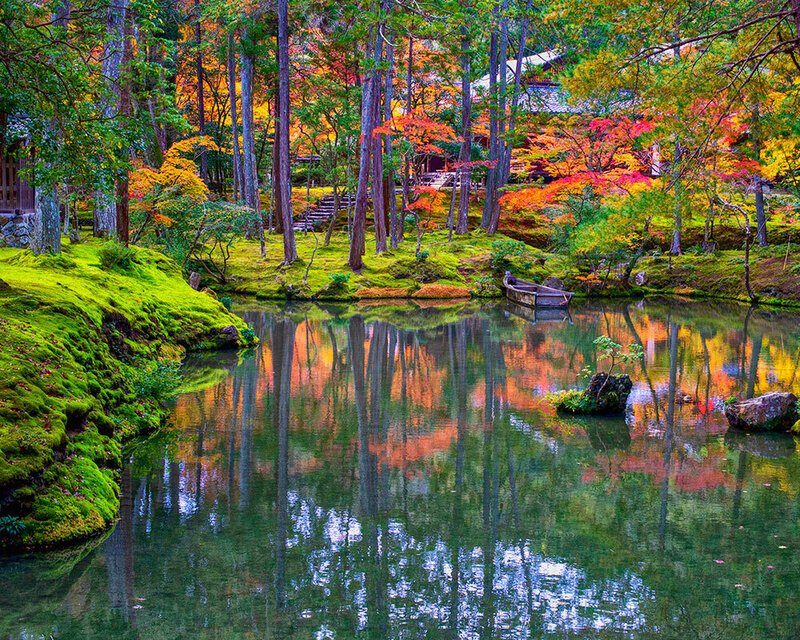
Koke-dera, officially known as Saiho-ji Temple, is one of Kyoto’s most exclusive and spiritually significant UNESCO World Heritage Sites. Famous for its enchanting moss garden featuring over 120 distinct varieties of moss, this sacred Buddhist temple requires advance reservations through a traditional postcard application system. The temple’s serene pond garden and meticulously maintained moss carpet create a lush, emerald paradise that represents the pinnacle of Japanese landscape design. Due to its fragile ecosystem and commitment to preservation, visitor access is strictly limited, making a visit to Koke-dera a truly privileged experience.
Quick Facts
Ideal Guests
Serious garden enthusiasts, Buddhist temple pilgrims, photographers, and travelers seeking authentic cultural experiences.
Top Highlights
UNESCO World Heritage status, 120+ moss varieties, traditional sutra copying ceremony, and one of Japan’s most photographed gardens.
Sample Pricing
Admission: ¥4,000 per person (includes sutra copying participation and garden viewing).
The Application Process
Postcard Reservation Requirements
Visiting Koke-dera requires advance planning and adherence to traditional Japanese customs. Applications must be submitted via postcard at least 7 to 10 business days before your desired visit date. The application must include your full name, number of visitors in your group (maximum group size restrictions apply), complete Japanese address (hotel or ryokan is acceptable), occupation, age verification (all applicants must be 18 or older, and all group members must be at least 13 years old), and your preferred visit dates (provide 2-3 alternative dates to increase acceptance chances).
Mailing Address for Applications
Send your application postcard to: Saihōji Temple 56 Matsuo-Jingatani-cho Nishikyo Ward Kyoto, 615-8286 JAPAN
Response Postcard Requirements
You must enclose a stamped, self-addressed postcard for the temple’s reply. For convenience, purchase an Ofuku-hagaki (reply postcard set) at any Japanese post office. The temple will send your acceptance or rejection notice to the Japanese address you provided, specifying your exact appointment time. Arrive precisely at your designated time—late arrivals may be denied entry.
The Visitor Experience
Sutra Copying Ceremony
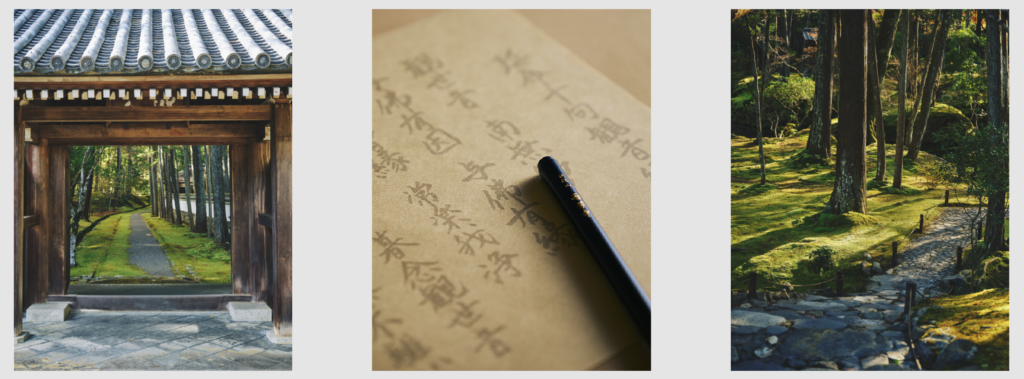
Upon arrival at your appointed time, visitors must participate in shakyo (sutra copying) before entering the garden. This meditative practice involves hand-copying Buddhist scriptures using traditional brushes and ink. The ceremony typically lasts 30 to 60 minutes and serves as a spiritual preparation for viewing the sacred garden. Don’t worry if you’re unfamiliar with the process—detailed instructions are provided, and you can observe other participants. You are not required to complete the entire sutra; simply follow the lead of other visitors when they finish and proceed to the garden.
Garden Viewing Guidelines
After completing the sutra copying, visitors are granted access to the extraordinary moss garden. The temple features a stunning pond garden designed during the Muromachi period, surrounded by a carpet of vibrant green moss that changes color with the seasons. Photography policies may vary, so check with temple staff. Visitors must follow designated pathways to protect the delicate moss ecosystem. The garden viewing typically lasts 30 to 45 minutes, and visitors are expected to maintain silence and show respect for the sacred space.
Garden Features
The Moss Collection
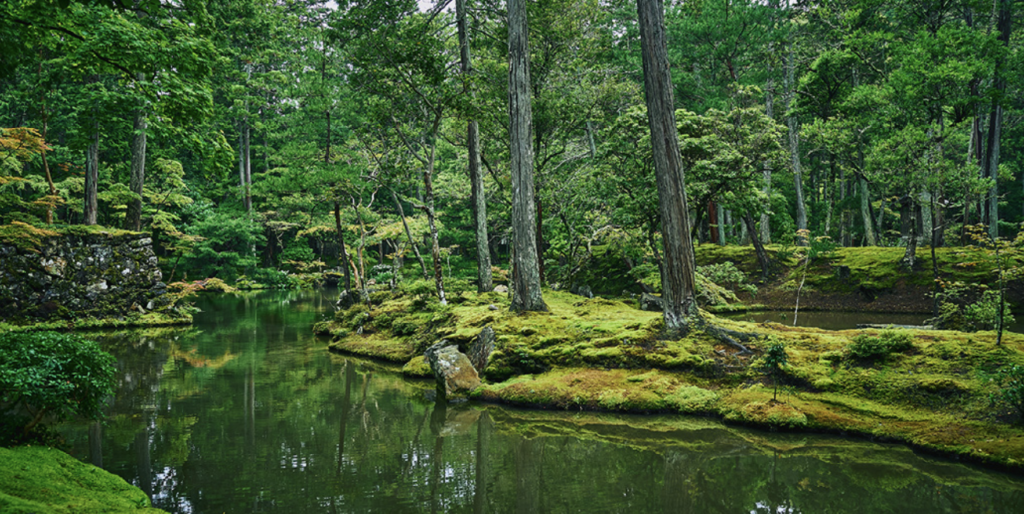
Koke-dera’s garden showcases over 120 different species of moss, creating a living tapestry of textures and shades of green. The moss thrives in Kyoto’s humid climate and the temple’s shaded, protected environment. Notable varieties include Gin-goke (silver moss), Sunagoke (sand moss), and Hyunoki-goke (cypress moss). The moss garden is particularly spectacular after rainfall, when the moss appears to glow with an ethereal emerald luminescence.
The Pond Garden
The temple’s lower garden features a large pond designed in the shape of the Japanese character for “heart” or “mind” (kokoro). This traditional kaiyu-shiki (strolling garden) was originally created during the Nara period and redesigned by renowned Zen master Muso Soseki in the 14th century. The pond is surrounded by carefully placed rocks, ancient trees, and the famous moss carpet, creating a harmonious blend of natural and cultivated beauty.
Essential Details
English Name
Koke-dera (Saiho-ji Temple)
Japanese Name
苔寺(西芳寺)
English Address
56 Matsuo-Jingatani-cho, Nishikyo-ku, Kyoto, 615-8286
Japanese Address
〒615-8286 京都市西京区松尾神ケ谷町56
Admission Fee
¥4,000 per person (cash only)
Opening Hours
By appointment only (specified on acceptance postcard)
Cancellation Policy
Free cancellation up to 4 days before visit; 50% fee for 1-3 days before; 100% fee for same-day cancellation
Nearest Transport
2-minute walk from Kokedera-mae Bus Stop (Kyoto City Bus routes 73 or 83 from Kyoto Station)
Telephone
075-391-3631
Web Presence
Official Website (limited English information)
Age Restrictions
Applicants must be 18+; all visitors must be 13+ years old
How do I apply to visit Koke-dera Temple?
To visit Koke-dera, you must send a postcard application at least 7-10 business days in advance to the temple’s address. Include your full name, number of visitors, Japanese address (hotel/ryokan), occupation, age, and 2-3 preferred visit dates. Enclose a stamped, self-addressed postcard for the reply. The temple will send an acceptance postcard with your specific appointment time.
How much does it cost to visit Koke-dera?
The admission fee for Koke-dera is ¥4,000 per person. This fee includes participation in the sutra copying ceremony and access to view the moss garden. Payment is typically made in cash on the day of your visit. This is significantly higher than most Kyoto temples due to the limited access and conservation efforts.
Can I visit Koke-dera without a reservation?
No, it is impossible to visit Koke-dera without an advance reservation. The temple strictly enforces its appointment-only policy to protect the fragile moss ecosystem and maintain the spiritual atmosphere. Walk-in visitors will be turned away. You must receive an acceptance postcard with a specific appointment time before visiting.
How far in advance should I apply for Koke-dera?
You should send your application postcard at least 7-10 business days before your desired visit date. However, during peak tourist seasons (spring cherry blossom season and autumn foliage season), it’s advisable to apply 2-3 weeks in advance. The temple receives many applications, and availability is limited, so earlier applications increase your chances of acceptance.
What should I write on the Koke-dera application postcard?
Your application postcard must include: your full name (as it appears on your passport), the number of people in your group, your complete Japanese address (hotel or ryokan where you’ll be staying), your occupation, your age (must be 18+), and 2-3 preferred dates for your visit. Write clearly in Roman letters or Japanese. Include a stamped, self-addressed postcard for the temple’s reply.
Can children visit Koke-dera Temple?
Children aged 13 and above are permitted to visit Koke-dera, but the primary applicant must be 18 years or older. Children under 13 are not allowed to enter the temple grounds. This age restriction helps maintain the serene, meditative atmosphere and ensures visitors can properly participate in the sutra copying ceremony.
What is the sutra copying ceremony at Koke-dera?
The sutra copying ceremony (shakyo) is a traditional Buddhist practice where visitors hand-copy Buddhist scriptures using brush and ink. At Koke-dera, this meditation practice is mandatory before viewing the garden. The ceremony typically takes 30-60 minutes. Instructions and materials are provided. You don’t need to complete the entire sutra—simply follow other visitors when they finish and proceed to the garden.
How do I get to Koke-dera from Kyoto Station?
From Kyoto Station, take Kyoto City Bus route 73 or 83 bound for Kokedera-mae. The bus journey takes approximately 50-60 minutes. Disembark at the Kokedera-mae bus stop, and the temple entrance is a 2-minute walk away. Alternatively, you can take the Hankyu Railway to Katsura Station, then transfer to bus 73. The temple is located in western Kyoto’s Nishikyo Ward.
Is Koke-dera worth the high admission fee?
Most visitors agree that Koke-dera is absolutely worth the ¥4,000 admission fee. The temple offers a once-in-a-lifetime opportunity to experience one of Japan’s most extraordinary moss gardens, featuring over 120 moss species in a UNESCO World Heritage setting. The combination of the meditative sutra copying ceremony, the breathtaking garden, and the temple’s spiritual significance creates an unforgettable cultural experience that justifies the premium price.
What is the best time of year to visit Koke-dera?
Koke-dera is beautiful year-round, but the moss garden is most spectacular during the rainy season (June-July) when the moss appears vibrantly green and lush. Autumn (November) offers stunning contrast between the green moss and colorful fall foliage. Spring (April-May) features fresh green growth and cherry blossoms in the surrounding area. Each season provides a unique photographic and meditative experience.
Can I take photos at Koke-dera Temple?
Photography policies at Koke-dera can vary and are sometimes restricted to protect the sacred atmosphere and prevent damage to the moss. When photography is permitted, it’s usually allowed in the garden area but prohibited during the sutra copying ceremony. Always check with temple staff upon arrival and respect any posted signs. Never use flash photography, and avoid stepping on the moss to get photos.
What should I wear to visit Koke-dera?
Wear modest, respectful clothing appropriate for a Buddhist temple. Comfortable walking shoes are essential as you’ll walk on garden paths. Avoid revealing clothing, shorts, or sleeveless tops. Since you’ll be sitting on tatami mats during sutra copying, wear clothing that allows comfortable seated meditation. Bring a light jacket as the temple grounds can be cool and damp, especially in the shaded moss garden areas.
Is Koke-dera accessible for wheelchairs or people with limited mobility?
Unfortunately, Koke-dera has very limited accessibility for wheelchairs or visitors with mobility issues. The temple grounds feature uneven paths, steps, and traditional garden terrain that is difficult to navigate. The sutra copying room requires sitting on tatami mats on the floor. If you have mobility concerns, contact the temple in advance to discuss your specific situation, but be prepared for significant accessibility challenges.
What happens if I miss my appointment time at Koke-dera?
If you miss your appointed time at Koke-dera, you will likely be denied entry. The temple strictly enforces appointment times to manage visitor flow and protect the garden. Late arrivals are not accommodated, and you will forfeit your ¥4,000 admission fee. Plan to arrive at least 10-15 minutes early, accounting for potential bus delays. If you anticipate being late, contact the temple immediately, though they may not be able to reschedule.
Can I visit Koke-dera and Arashiyama on the same day?
Yes, you can visit Koke-dera and explore Arashiyama on the same day, though it requires careful planning. Koke-dera is located in the western Arashiyama area. Schedule your Koke-dera appointment for the morning (typically 9:00-10:00 AM), which allows 1.5-2 hours for the sutra copying and garden viewing. Afterward, you’ll have the afternoon to explore Arashiyama’s Bamboo Grove, Tenryu-ji Temple, and the Togetsukyo Bridge.
Do I need to speak Japanese to visit Koke-dera?
No, you do not need to speak Japanese to visit Koke-dera, though basic Japanese phrases are helpful. The application postcard can be written in Roman letters. Temple staff are accustomed to international visitors and will provide instructions for the sutra copying ceremony through demonstration and simple gestures. The garden viewing requires no verbal communication. However, having a translation app or phrasebook can enhance your experience.
What is the cancellation policy for Koke-dera?
Koke-dera has a strict cancellation policy: cancellations made 4 or more days before your visit date incur no fee. Cancellations made 1-3 days before your visit are subject to a 50% cancellation fee (¥2,000). Same-day cancellations or no-shows result in a 100% fee (¥4,000). If you need to cancel, contact the temple immediately by phone at 075-391-3631 to minimize fees.
Can I buy food or drinks at Koke-dera?
No, Koke-dera does not have restaurants, cafes, or vending machines on the temple grounds. The temple is focused on spiritual practice and garden preservation, not commercial services. Bring water with you, especially during hot weather, but consume it discreetly and dispose of trash properly. There are convenience stores and restaurants in the surrounding area before you reach the temple, so eat beforehand.
Is Koke-dera a UNESCO World Heritage Site?
Yes, Koke-dera (Saiho-ji) is designated as a UNESCO World Heritage Site as part of the “Historic Monuments of Ancient Kyoto” inscription, which was added to the World Heritage List in 1994. The temple is recognized for its outstanding example of Japanese garden design, its historical significance dating back to the Nara period, and its exceptional moss garden that represents the harmony between nature and Buddhist spirituality.
How long does a typical visit to Koke-dera take?
A typical visit to Koke-dera takes approximately 1.5 to 2 hours total. This includes: 10-15 minutes for check-in and preparation, 30-60 minutes for the sutra copying ceremony, and 30-45 minutes for viewing the moss garden. Plan for the full 2 hours to avoid feeling rushed. Remember that you must arrive at your exact appointed time, and the entire experience is carefully timed to manage visitor flow and protect the temple grounds.