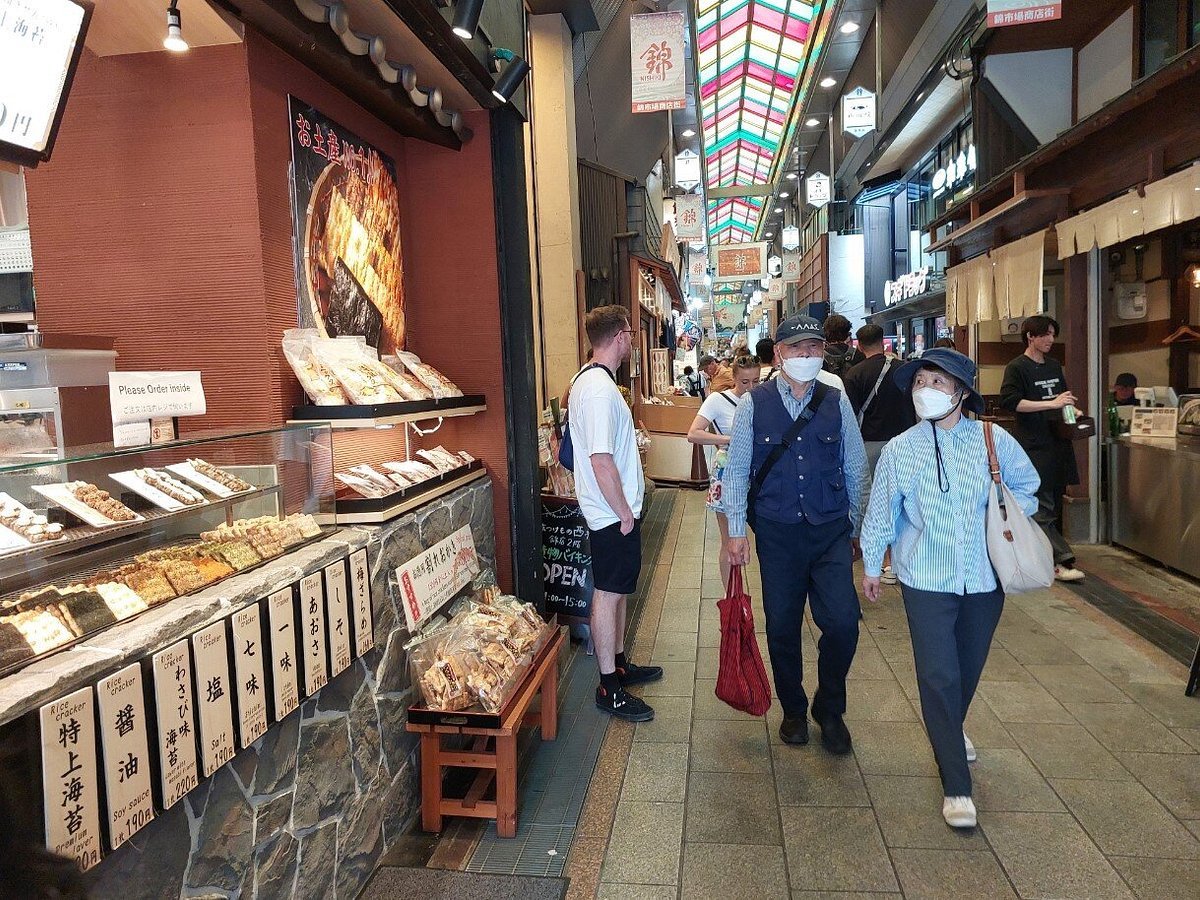
Kyoto’s Premier Culinary Destination and Traditional Food Market
Nishiki Market, affectionately known to locals as “Kyoto no Daidokoro” (Kyoto’s Kitchen), stands as the city’s most iconic and vibrant traditional food market. Located in the heart of downtown Kyoto, this historic covered shopping arcade stretches approximately 400 meters along Nishikikoji-dori Street, offering an unparalleled sensory journey through the rich culinary heritage of Japan’s ancient capital. For food enthusiasts, culinary tourists, and anyone seeking an authentic taste of Kyoto’s gastronomic culture, this bustling marketplace is an absolute must-visit destination that showcases the very best of traditional Japanese ingredients, street food, and artisanal delicacies.
Quick Facts
Ideal Guests and Top Highlights
Nishiki Market is highly recommended for food lovers, culinary tourists, photography enthusiasts, families, and travelers seeking an authentic local shopping experience. Top highlights include over 100 traditional shops and stalls, fresh Kyoto vegetables (Kyo-yasai), artisanal Japanese pickles (tsukemono), handmade wagashi sweets, premium matcha tea, fresh seafood, and a wide variety of ready-to-eat street food delicacies perfect for sampling as you explore.
Historical Significance and Cultural Heritage
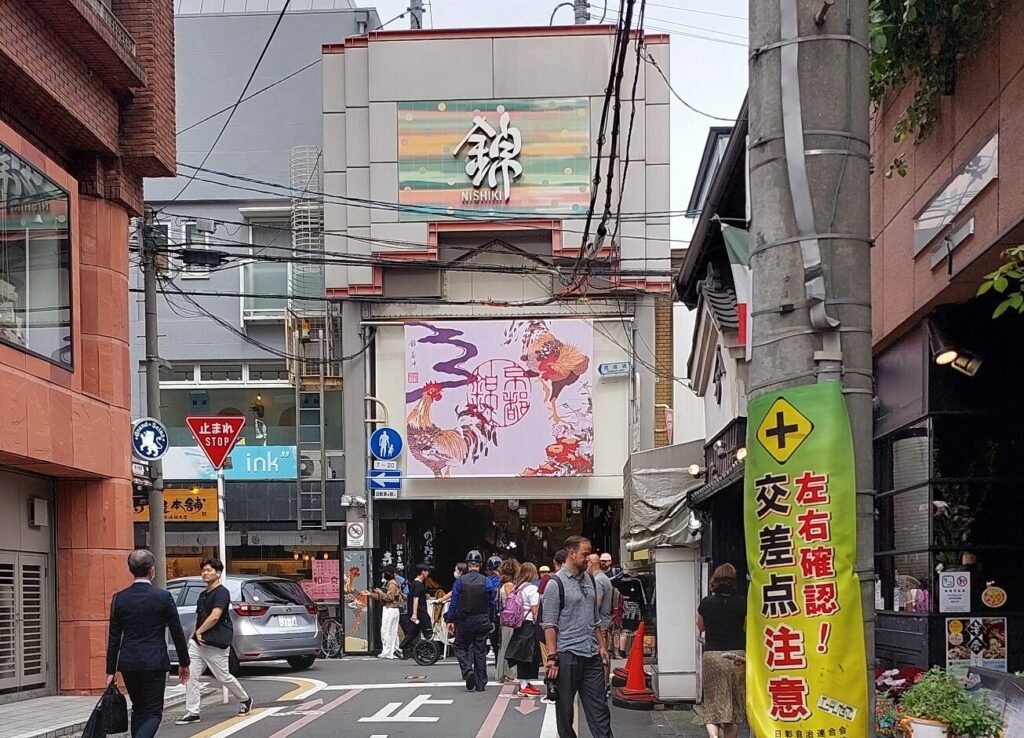
Four Centuries of Culinary Excellence
Nishiki Market boasts an impressive history spanning over 400 years, having evolved from a small collection of fish and produce vendors into Kyoto’s premier food destination. The market’s origins date back to the early Edo period (17th century), when it began serving the culinary needs of Kyoto’s imperial court, noble families, and temple complexes. Over the centuries, it has maintained its position as the epicenter of Kyoto’s food culture, preserving traditional shopping customs while adapting to modern tastes and international tourism.
The Architecture of the Covered Shopping Arcade
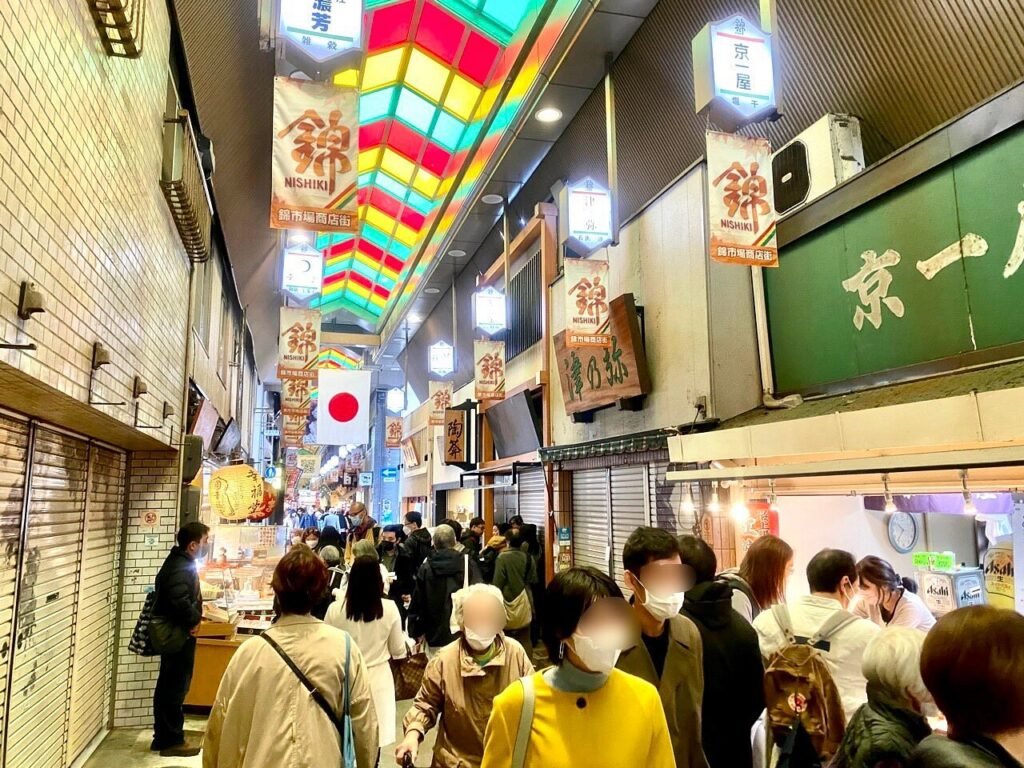
The market is housed within a charming covered shopping arcade (shotengai) that protects visitors from the elements while creating an intimate, atmospheric environment. The narrow passageway, flanked by traditional wooden shop fronts and modern stalls alike, creates a unique blend of old and new Kyoto. The covered structure ensures that the market remains a year-round destination, bustling with activity regardless of weather conditions, making it a reliable stop on any Kyoto itinerary.
The Culinary Experience and Shopping Guide
Traditional Kyoto Ingredients and Specialty Foods
Visitors to Nishiki Market will discover an incredible array of ingredients that form the foundation of traditional Kyoto cuisine (Kyo-ryori). The market specializes in tsukemono (Japanese pickles), with numerous shops offering varieties unique to Kyoto, including the famous suguki (pickled turnip) and shibazuke (purple eggplant pickle). Fresh tofu and yuba (tofu skin) are prominently displayed, reflecting Kyoto’s renowned soybean culture. Kyo-yasai (Kyoto vegetables), heirloom varieties cultivated in the region for centuries, are sold by knowledgeable vendors who can explain their history and culinary uses.
Artisanal Sweets, Tea, and Confections
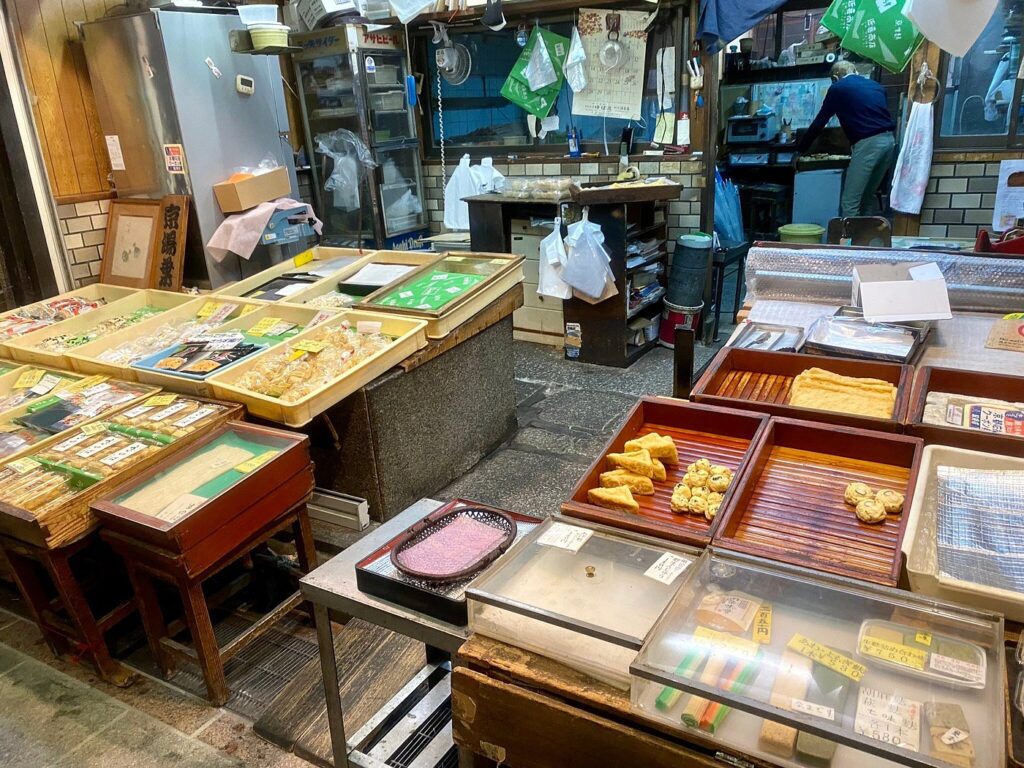
The market is a paradise for those with a sweet tooth, featuring numerous wagashi (traditional Japanese sweets) shops that create beautiful, seasonal confections using time-honored techniques. Visitors can observe artisans crafting delicate mochi, dorayaki, and other traditional treats. Premium matcha and gyokuro tea shops offer tastings and sell high-grade ceremonial tea directly from Uji, Kyoto’s famous tea-growing region. Many shops provide English explanations of their products, making it easy for international visitors to understand the cultural significance of each delicacy.
Fresh Seafood and Regional Specialties
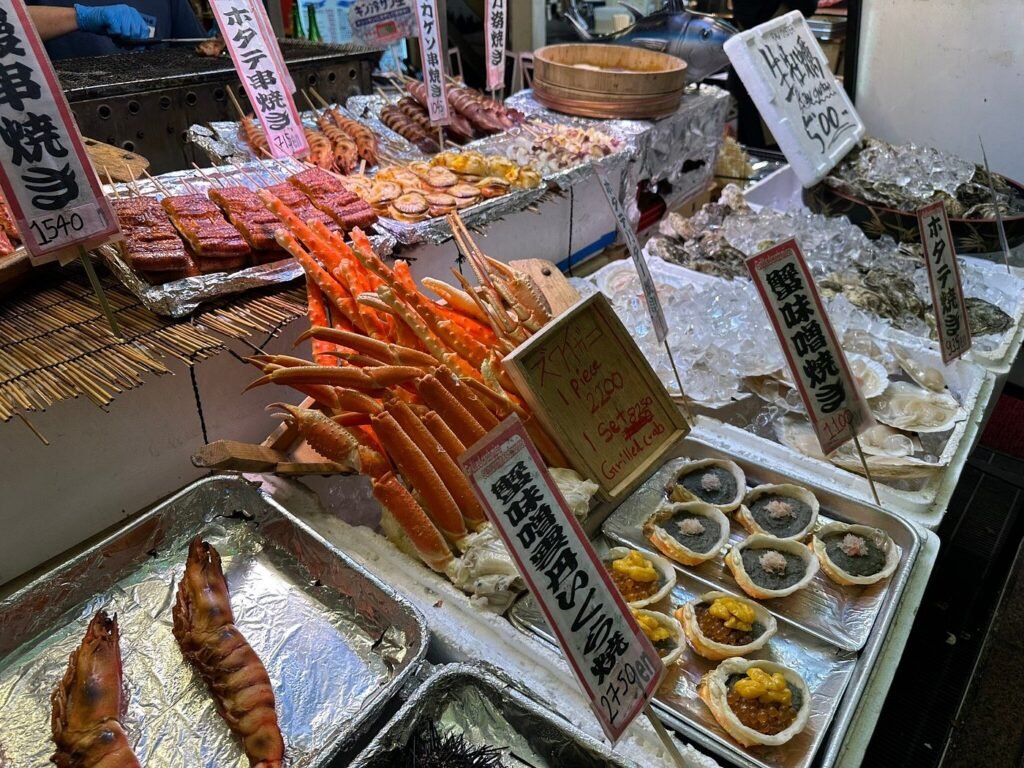
Seafood vendors display an impressive array of fresh fish and shellfish sourced daily from the Sea of Japan and local waters. The market is particularly famous for its selection of octopus, scallops, and various seasonal fish that are essential to Kyoto’s refined cuisine. Those with sharp eyes or the ability to read Japanese signage might spot whale meat for sale at a few specialized stalls, reflecting a traditional aspect of Japanese food culture that continues in limited form today.
Ready-to-Eat Street Food and Takeaway Delicacies
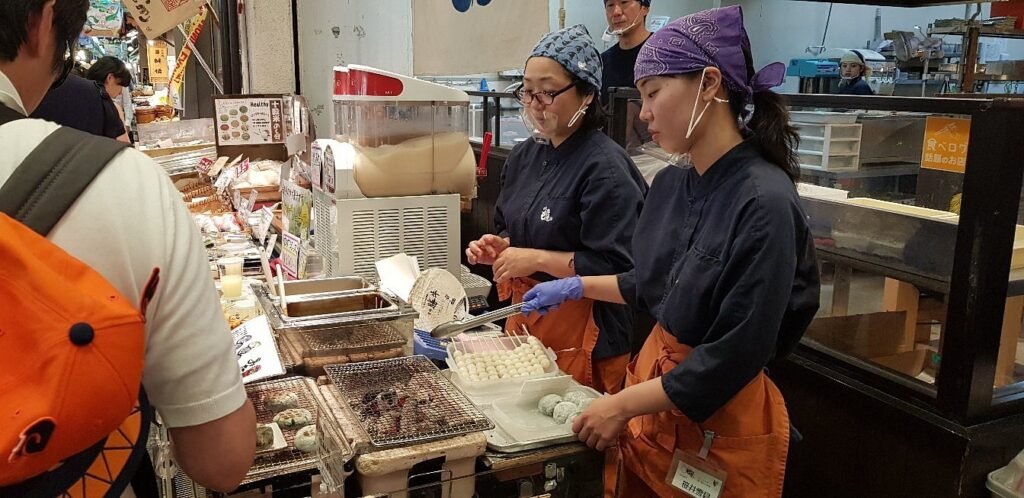
One of the greatest pleasures of exploring Nishiki Market is sampling the wide variety of ready-to-eat street food available throughout the arcade. Vendors sell freshly grilled yakitori skewers, tamagoyaki (Japanese rolled omelet), tako tamago (baby octopus on a stick), fresh sashimi, grilled scallops, and various fried delicacies. Many shops offer small portions perfect for tasting as you walk, though it’s considered polite to step to the side of the thoroughfare rather than eating while walking through the crowded passage. Several sit-down restaurants are interspersed among the shops, offering more formal dining experiences featuring market-fresh ingredients.
Practical Information and Shopping Tips
Best Times to Visit and Navigating the Crowds
Nishiki Market is open daily from approximately 9:00 AM to 5:00 PM, though individual shop hours may vary. The market is at its most vibrant and atmospheric during mid-morning (10:00 AM to 11:30 AM) when all shops are fully stocked and the energy is high. However, this is also when crowds are at their peak, particularly on weekends and during peak tourist seasons (cherry blossom season in spring and autumn foliage season). For a more relaxed shopping experience with shorter lines at food stalls, consider visiting right at opening time (9:00 AM) or later in the afternoon (after 3:00 PM). Note that some shops are closed on Wednesdays, though the majority remain open throughout the week.
Shopping Etiquette and Cultural Customs
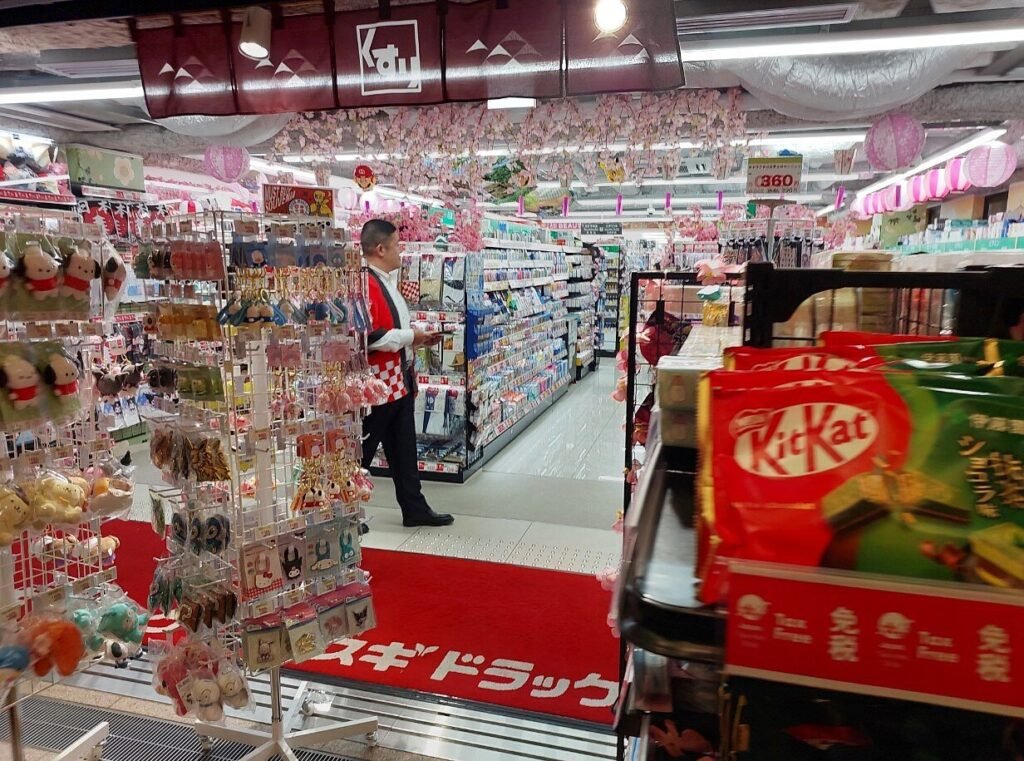
When visiting Nishiki Market, it’s important to observe proper Japanese shopping etiquette. Most vendors appreciate when customers greet them with a polite “konnichiwa” (hello) and say “arigato gozaimasu” (thank you) after purchasing. When sampling food, it’s customary to finish what you take and dispose of any packaging in designated trash bins (though be aware that public trash cans are scarce in Japan, so carrying a small bag for your trash is helpful). Many shops offer tax-free shopping for foreign tourists on purchases over ¥5,000, so bring your passport if you plan to make larger purchases of tea, knives, or other take-home items.
Essential Details
Location and Address Information
The official English address for Nishiki Market is Nishikikoji-dori, Nakagyo-ku, located between Teramachi-dori and Takakura-dori streets in downtown Kyoto. In Japanese, the address is written as 中京区錦小路通り. The market runs east-west for approximately four city blocks, making it easy to navigate and explore thoroughly in a single visit.
Operating Hours and Weekly Schedule
Nishiki Market is generally open from 9:00 AM to 5:00 PM daily, though individual shop hours may vary slightly. Some specialty shops and restaurants may open later or close earlier, and a number of establishments are closed on Wednesdays. It’s advisable to check specific shop hours if you’re looking for a particular vendor. The market remains open year-round, including most national holidays, though some individual shops may close during the New Year period (December 29 to January 3).
Admission Fees and Accessibility
Admission to Nishiki Market is completely free, making it one of Kyoto’s most accessible cultural attractions. The covered arcade is wheelchair accessible, though it can become extremely crowded during peak hours, making navigation challenging for those with mobility aids. The narrow passageway and bustling atmosphere require patience and consideration for other visitors.
Nearest Transportation and Access Routes
Nishiki Market is exceptionally well-connected to Kyoto’s public transportation network. The market is just a 3-minute walk from Shijo Station on the Karasuma Subway Line. For those using the Hankyu Railway, it’s a 3-minute walk from either Karasuma Station or Kawaramachi Station. From Kyoto Station, visitors can take the Karasuma Subway Line north to Shijo Station, or take city bus routes that stop near the market entrance. The central location makes it easy to combine a market visit with shopping on nearby Shijo-dori or exploring the Gion district.
Contact Information and Online Resources
For general information about Nishiki Market, visitors can refer to the official tourist website which offers English-language resources, shop directories, and seasonal event information. While individual shops may have their own contact information, the market operates as a collective of independent vendors rather than a single managed entity.
Frequently Asked Questions
What is Nishiki Market famous for?
Nishiki Market is famous for being Kyoto’s premier traditional food market, known as “Kyoto’s Kitchen.” It features over 100 shops and stalls selling traditional Kyoto ingredients, fresh seafood, Japanese pickles (tsukemono), Kyo-yasai (Kyoto vegetables), wagashi sweets, premium tea, and a wide variety of ready-to-eat street food.
Where is Nishiki Market located in Kyoto?
Nishiki Market is located in the heart of downtown Kyoto’s Nakagyo Ward, running along Nishikikoji-dori Street between Teramachi-dori and Takakura-dori. It’s centrally positioned near the major shopping streets of Shijo-dori and Kawaramachi, making it easily accessible from most areas of central Kyoto.
How do I get to Nishiki Market from Kyoto Station?
The easiest way to reach Nishiki Market from Kyoto Station is to take the Karasuma Subway Line north to Shijo Station (approximately 5 minutes). From Shijo Station, it’s just a 3-minute walk west to the market entrance. Alternatively, you can take city bus routes that stop near the market, or take a taxi which takes about 15 minutes and costs approximately ¥2,000.
What are the opening hours for Nishiki Market?
Nishiki Market is generally open from 9:00 AM to 5:00 PM daily. However, individual shop hours may vary, and some shops may open later or close earlier. Some establishments are closed on Wednesdays, though the majority remain open throughout the week.
Is Nishiki Market open on weekends and holidays?
Yes, Nishiki Market is open on weekends and most national holidays. In fact, weekends tend to be the busiest times at the market. Some individual shops may close on Wednesdays, and many shops close during the New Year period (December 29 to January 3).
How much does it cost to enter Nishiki Market?
Admission to Nishiki Market is completely free. You can walk through the entire market, browse the shops, and soak in the atmosphere without spending any money. Of course, most visitors enjoy purchasing and sampling the various foods and products available.
How long does it take to explore Nishiki Market?
A thorough exploration of Nishiki Market typically takes 1 to 2 hours. This allows enough time to browse the shops, sample various foods, make purchases, and take photographs. If you plan to sit down for a meal at one of the market’s restaurants, you should allocate 2 to 3 hours total.
What food should I try at Nishiki Market?
Must-try foods at Nishiki Market include fresh tamagoyaki (Japanese rolled omelet), grilled scallops, tako tamago (baby octopus), various tsukemono (pickles), fresh sashimi, matcha soft serve ice cream, wagashi sweets, and Kyoto-style pickled vegetables. Many shops offer small samples, so you can taste before you buy.
Can I eat while walking through Nishiki Market?
While it’s technically possible to eat while walking, it’s considered more polite in Japanese culture to step to the side of the thoroughfare or find a designated eating area before consuming your food. The market can become very crowded, and eating while walking can obstruct the flow of foot traffic. Many shops have small standing areas nearby where you can enjoy your purchase.
Is Nishiki Market wheelchair accessible?
Yes, Nishiki Market is wheelchair accessible as it features a flat, covered passageway. However, the market can become extremely crowded, especially during peak hours and weekends, which can make navigation challenging for wheelchair users and those with mobility aids. Visiting early in the morning (right at 9:00 AM opening) provides the most accessible experience.
Are there restrooms available at Nishiki Market?
Yes, there are public restrooms available at Nishiki Market. They are typically located at the eastern and western ends of the market arcade. However, during busy periods, there may be lines for the facilities.
Can I take photographs at Nishiki Market?
Photography is generally permitted in the market’s public passageways. However, it’s considered polite to ask permission before taking close-up photographs of vendors, their products, or inside individual shops. Some shops may prohibit photography entirely, so always look for signage or ask the shopkeeper if you’re unsure.
Do shops at Nishiki Market accept credit cards?
Many shops at Nishiki Market are cash-only establishments, particularly the smaller food stalls and traditional vendors. However, an increasing number of shops, especially larger establishments and those selling higher-priced items like tea and knives, now accept credit cards. It’s highly recommended to carry sufficient Japanese yen in cash to ensure you can purchase from all vendors.
Is there tax-free shopping available at Nishiki Market?
Yes, many shops at Nishiki Market offer tax-free shopping for foreign tourists on purchases exceeding ¥5,000 (approximately $35-40 USD). To take advantage of this, you must present your passport at the time of purchase. Not all shops participate in the tax-free program, so look for the “Tax-Free” sign or ask the shopkeeper if you’re planning to make a larger purchase.
What is the best time of day to visit Nishiki Market?
The best time to visit Nishiki Market depends on your preferences. For the freshest selection and full energy of the market, visit between 10:00 AM and 11:30 AM. For a less crowded experience with shorter lines at food stalls, arrive right at the 9:00 AM opening or visit after 3:00 PM in the afternoon. Avoid midday (12:00 PM to 2:00 PM) on weekends if you want to avoid the largest crowds.
Can I buy souvenirs at Nishiki Market?
Absolutely! Nishiki Market is an excellent place to purchase authentic Kyoto souvenirs. Popular items include premium matcha and gyokuro tea, traditional wagashi sweets, Japanese knives, tsukemono (pickles) that can be shipped, yuba (tofu skin) products, and beautifully packaged traditional confections. Many shops offer gift wrapping and can arrange international shipping for larger purchases.
Are there vegetarian or vegan options at Nishiki Market?
Yes, there are vegetarian and some vegan options available at Nishiki Market, though they may require some searching. Look for shops selling edamame, grilled corn, fresh fruit, vegetable tempura, rice balls (onigiri), and various pickled vegetables. However, be aware that many Japanese dishes use dashi (fish stock) even in seemingly vegetarian dishes, so it’s best to ask vendors about ingredients if you have strict dietary restrictions.
What other attractions are located near Nishiki Market?
Nishiki Market is perfectly positioned in downtown Kyoto, within walking distance of numerous major attractions. Nearby sites include the Teramachi and Shinkyogoku shopping arcades, Nishiki Tenmangu Shrine, the Kawaramachi and Shijo-dori shopping districts, Pontocho Alley, Gion district, and the Kamogawa River. It’s easy to combine a market visit with exploring these other popular destinations.
Is Nishiki Market crowded during cherry blossom season?
Yes, Nishiki Market becomes extremely crowded during cherry blossom season (late March to early April) and autumn foliage season (mid-November to early December). These are peak tourist seasons in Kyoto, and the market experiences significantly higher foot traffic. If visiting during these periods, arrive early in the morning and be prepared for longer lines at popular food stalls.
Can I find whale meat at Nishiki Market?
Yes, whale meat is available for sale at a few specialized stalls in Nishiki Market, though it’s not prominently displayed and requires the ability to read Japanese signage or ask vendors directly. Whale meat has been part of Japanese food culture for centuries, though its consumption has declined in recent decades. It’s sold as a traditional delicacy at select vendors within the market.