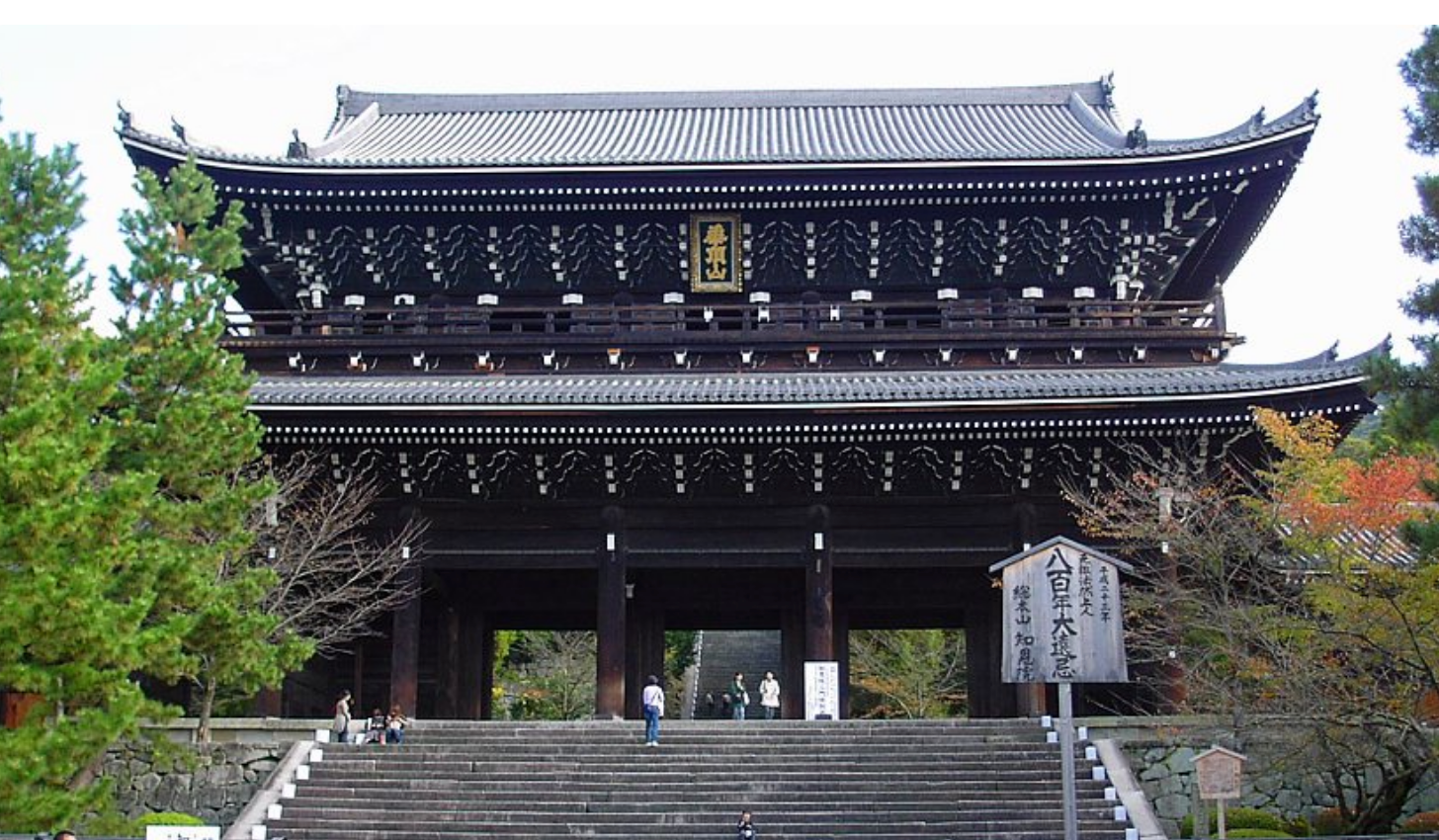
Often referred to as the “Vatican of Pure Land Buddhism,” Chion-in Temple (Chion-inji) is the monumental head temple of the Jodo (Pure Land) sect. Standing as one of the largest, most historically significant, and most spiritually important temple complexes in Kyoto, it commands a massive presence in the Southern Higashiyama district. Founded by the revered monk Honen in the 12th century, this vast sanctuary offers visitors a profound glimpse into Japanese Buddhist history, featuring awe-inspiring architecture, sacred treasures, and an atmosphere of deep, enduring tranquility.
Quick Facts
Ideal Guests
History enthusiasts, Buddhist pilgrims, architecture lovers, and travelers seeking a majestic, spacious alternative to Kyoto’s more crowded temples.
Top Highlights
The colossal San-mon gate, the monumental Miei-do (Main Hall), the 70-ton Daisho bell, and the serene chanting of resident monks.
Sample Pricing
Admission to the expansive temple grounds is completely free, with a modest ¥400 fee for the inner halls and treasure gardens.
Architectural Marvels and Sacred Spaces
The Majestic San-mon Gate
The approach to Chion-in begins at the breathtaking San-mon (Mountain Gate), a towering two-story wooden structure that serves as the official entrance to the temple compound. Built in 1619, this national treasure is a masterclass in traditional Japanese carpentry, showcasing mind-bogglingly complex wooden joinery constructed entirely without the use of nails. Stepping through this massive gateway, visitors are greeted by a steep, sweeping stone staircase leading up to the main compound. Film enthusiasts will immediately recognize this iconic staircase, as it famously served as a filming location for Tom Cruise’s 2003 Hollywood blockbuster, The Last Samurai.
The Miei-do (Main Hall) and Spiritual Atmosphere
Crossing the expansive open plaza, visitors are struck by the awe-inspiring sight of the Miei-do, the temple’s main hall. This massive wooden structure is dedicated to Honen, the founder of the Jodo sect. Entry to the Miei-do is free, and it is highly recommended to step inside, remove your shoes, and sit quietly on the tatami mats. The hall is frequently filled with the deep, resonant, and hypnotic chanting of the resident priests, offering a deeply moving and authentic spiritual experience that connects visitors directly to the living traditions of Pure Land Buddhism.
The Amida-do Hall and Inner Treasures
Adjoining the main hall is the Amida-do Hall, which houses a magnificent and revered statue of Amida Buddha, the central figure of worship in Pure Land Buddhism. For those wishing to explore further, the temple’s inner buildings and meticulously landscaped gardens require a small admission fee. These paid areas include the Hojo (abbey), which features beautiful sliding door paintings, and the stunning Yuzen-en garden, a serene landscape designed by the famous kimono dyer and garden designer Yuzensai.
The Giant Daisho Bell and Temple Mysteries
The 70-Ton New Year’s Bell
No visit to Chion-in is complete without climbing the steps to view the Daisho, the temple’s colossal bronze bell. Cast in 1636, this monumental bell weighs a staggering 70 tons and stands nearly 3.3 meters tall, making it one of the largest and heaviest temple bells in all of Japan. It is famously rung by monks on New Year’s Eve during the Joya no Kane ceremony, a sacred Buddhist tradition where the bell is struck 108 times to cleanse the 108 worldly desires and sins of humanity, welcoming the new year with a pure mind.
The Seven Mysteries of Chion-in
Chion-in is also famous for its “Seven Mysteries” (Chion-in no Nanafushigi), a collection of architectural quirks and legends that fascinate visitors. These include the “nightingale floors” (uguisubari) in the corridors that squeak like birds to warn of intruders, the ghostly umbrella painting that is said to come alive at night, and the massive forgetful umbrella left behind by a departing shogun. Exploring the temple grounds offers a delightful mix of solemn religious devotion and fascinating historical folklore.
Essential Details
English Name
Chion-in Temple
Japanese Name
知恩院
English Address
400 Rinka-cho, Higashiyama-ku, Kyoto
Japanese Address
〒605-0073 京都府京都市東山区林下町400
Opening Hours
9:00 AM to 4:30 PM (Last entry at 4:00 PM)
Admission (Grounds)
Free
Admission (Inner Buildings & Gardens)
Adults: ¥400 | Junior and Elementary Students: ¥200
Nearest Transport
5-min walk from Chion-in-mae Bus Stop (Kyoto City Bus 206 from Kyoto Station); 15-min walk from Higashiyama Station (Tozai Subway Line).
Telephone
075-531-2111
Web Presence
Official Website (Primarily in Japanese)
What is Chion-in Temple famous for?
Chion-in Temple is most famous for being the head temple (headquarters) of the Jodo (Pure Land) sect of Buddhism in Japan. It is also renowned for its massive scale, its colossal 70-ton bronze bell, and its stunning San-mon gate, which was featured in the movie The Last Samurai.
Who founded Chion-in Temple?
Chion-in Temple was founded by the revered Buddhist monk Honen Shonin in 1175. He established the Jodo (Pure Land) sect of Buddhism, which teaches that chanting the name of Amida Buddha (the Nenbutsu) is the path to enlightenment and rebirth in the Pure Land.
Is Chion-in the headquarters of Pure Land Buddhism?
Yes, Chion-in is the official head temple of the Jodo (Pure Land) sect of Buddhism in Japan. Because of its supreme religious authority and vast influence, it is frequently referred to as the “Vatican of Pure Land Buddhism.”
How much does it cost to enter Chion-in Temple?
Admission to the vast outdoor temple grounds, including the San-mon gate and the exterior of the main buildings, is completely free. However, entering the inner halls, the Hojo (abbey), the treasure museum, and the beautiful Yuzen-en garden requires an admission fee of ¥400 for adults.
What are the opening hours for Chion-in Temple?
The temple grounds and main buildings are open daily from 9:00 AM to 4:30 PM, with the last entry at 4:00 PM. Hours may vary slightly during special seasonal illuminations or New Year’s events.
How do I get to Chion-in Temple from Kyoto Station?
The most direct route from Kyoto Station is to take Kyoto City Bus #206. Ride the bus for about 15 minutes and get off at the “Chion-in-mae” bus stop. From the bus stop, it is a short 5-minute walk uphill to the temple’s San-mon gate. Alternatively, you can take the Tozai Subway Line to Higashiyama Station and walk about 15 minutes.
Was The Last Samurai filmed at Chion-in Temple?
Yes, the famous steep stone staircase leading up from the San-mon gate to the main compound of Chion-in Temple was used as a filming location for the 2003 Hollywood film The Last Samurai, starring Tom Cruise.
What is the San-mon gate at Chion-in?
The San-mon (Mountain Gate) is the massive, two-story wooden main entrance to the Chion-in complex. Built in 1619, it is an Important Cultural Property of Japan, celebrated for its imposing size and the incredibly complex, nail-less wooden joinery used in its construction.
What is the Miei-do hall?
The Miei-do is the Main Hall of Chion-in Temple. It is a massive, sacred structure dedicated to the memory of Honen, the founder of the Jodo sect. It houses his sacred image and is the spiritual heart of the temple where daily religious services and chanting take place.
Can I hear monks chanting at Chion-in Temple?
Yes, if you enter the Miei-do (Main Hall) during operating hours, you will frequently hear the deep, resonant, and hypnotic chanting of the resident Jodo Buddhist priests. It is a highly atmospheric and authentic spiritual experience.
How big is the bell at Chion-in Temple?
The Daisho bell at Chion-in is a colossal bronze masterpiece. It weighs an astonishing 70 tons, is 3.3 meters tall, and has a diameter of 2.8 meters, making it one of the largest surviving temple bells in Japan.
Is the bell at Chion-in rung on New Year’s Eve?
Yes, the giant bell at Chion-in is famously rung on New Year’s Eve during the Joya no Kane ceremony. Monks strike the massive bell 108 times to symbolize the eradication of the 108 worldly desires and sins according to Buddhist teachings.
What are the “Seven Mysteries” of Chion-in Temple?
The “Seven Mysteries” (Nanafushigi) are a collection of architectural quirks and legends unique to Chion-in. They include the “nightingale floors” that squeak to warn of ninjas or intruders, a ghostly painted umbrella, a giant forgettable umbrella left by a shogun, and a scowling guardian deity whose expression changes depending on where you stand.
Are there gardens to see at Chion-in Temple?
Yes, while the main grounds are free, the inner precincts feature beautiful traditional Japanese gardens. The most notable is the Yuzen-en, a stunning stroll garden designed by the famous Edo-period artisan Yuzensai. There is also a serene moss garden surrounding the Hojo (abbey).
How long does it take to explore Chion-in Temple?
To fully appreciate the massive grounds, walk through the San-mon gate, sit in the Miei-do, view the giant bell, and explore the inner gardens and treasure halls, you should allocate at least 1.5 to 2 hours.
Is Chion-in Temple wheelchair accessible?
The main outdoor grounds, the plaza, and the path to the bell are relatively flat and accessible. However, accessing the interior of the Miei-do and the inner halls requires navigating steep wooden stairs and walking on tatami mats, which makes it very difficult for standard wheelchairs.
What is the dress code for visiting Chion-in?
As with all active Buddhist temples in Japan, modest clothing is recommended. When entering any of the wooden halls, including the free Miei-do, you must remove your shoes. It is helpful to wear shoes that are easy to slip on and off, and to bring a bag to carry them while you walk around the halls in your socks.
Can I take photos inside Chion-in Temple?
Photography is generally permitted in the outdoor grounds, the San-mon gate, and the courtyard areas. However, photography and video recording are strictly prohibited inside the wooden halls, the Miei-do, and the treasure museums to protect the sacred artifacts and respect the praying monks.
What other attractions are located near Chion-in Temple?
Chion-in is perfectly situated in Southern Higashiyama. Just a short walk away, you will find the beautiful Shoren-in Temple, the vibrant Maruyama Park (famous for cherry blossoms), the iconic Yasaka Shrine, and the bustling shopping and dining streets of Gion.
Is Chion-in Temple less crowded than Kiyomizu-dera?
Yes, significantly less crowded. Because of its massive, sprawling footprint and the fact that the main grounds are free, the crowds at Chion-in disperse easily. It offers a much more peaceful, spacious, and contemplative atmosphere compared to the narrow, packed streets of Kiyomizu-dera.