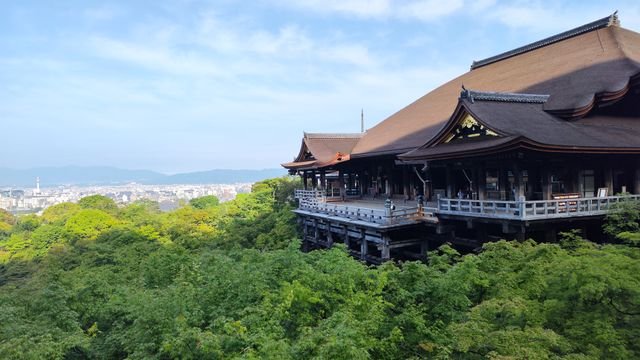
Presiding majestically over the Southern Higashiyama sightseeing district, Kiyomizu-dera Temple is an absolute must-see attraction and a cornerstone of any Kyoto travel itinerary. Designated as a UNESCO World Heritage site, this iconic Buddhist temple offers brilliant, sweeping panoramic views across the entire city of Kyoto. While the approach to the temple is a vibrant, bustling riot of commerce, traditional shops, and energetic street food vendors, the main compound itself is a masterpiece of serene spiritual architecture. It is a highly entertaining, family-friendly destination that perfectly balances lively cultural immersion with profound historical significance.
Quick Facts
Ideal Guests
First-time visitors, families, photography enthusiasts, and history lovers.
Top Highlights
The iconic wooden stage, the Otowa Waterfall, the Jishu Shrine love stones, the Tainai Meguri dark tunnel, and spectacular seasonal night illuminations.
Sample Pricing
Adults: ¥500 | Junior and Elementary School Students: ¥200
Architectural Marvels and Sacred Spaces
The Famous Wooden Stage (Butai)
The undisputed centerpiece of Kiyomizu-dera is the massive main hall, famous for its expansive wooden stage that juts out 13 meters over the hillside below. Constructed in 1633 without the use of a single nail, the stage is supported by 139 massive wooden pillars made from Japanese Zelkova trees. This interlocking wooden joinery is a testament to the incredible engineering skills of Edo-period craftsmen. The stage offers an unparalleled, unobstructed view of the Kyoto basin and the surrounding lush forest canopy.
The Otowa Waterfall (Otowa-no-taki)
Located just below the main hall is the Otowa Waterfall, the spiritual source from which the temple derives its name (Kiyomizu translates to “Pure Water”). The waterfall’s waters are divided into three separate streams, each believed to grant a different wish: longevity, success in school, and a lucky love life. Visitors can drink from the streams using special wooden cups, though local legend warns that drinking from all three streams signifies greed and will actually bring bad luck; it is customary to choose just one or two.
Tainai Meguri: The Dark Tunnel
Before entering the main paid compound, visitors should seek out the “Tainai Meguri,” a unique and mysterious attraction located in a dark, subterranean grotto. This pitch-black tunnel represents the womb of Daizuiku Bodhisattva (Mahamayuri). Visitors must navigate the complete darkness using only their hands to feel the walls, symbolizing a spiritual rebirth. It is said that touching the central stone in the dark grants a wish, adding an element of thrilling adventure to the temple visit.
Jishu Shrine and the Love Stones
The Legend of the Twin Stones
Located within the Kiyomizu-dera complex is Jishu Shrine, dedicated to Okuninushi, a deity of love and good matchmaking. The shrine is most famous for its pair of “Love Stones” (Futagwa-ishi) situated in the open courtyard. The two stones are placed exactly 10 meters (33 feet) apart. According to tradition, if a lonely-hearted visitor can successfully walk from one stone to the other with their eyes closed, it is a sign that they will find true love. (Note: Jishu Shrine frequently undergoes meticulous preservation and construction work to maintain its historic structures, so the stones may occasionally be temporarily relocated or roped off).
The Vibrant Approach and Seasonal Illuminations
The Bustling Streets of Kiyomizu-zaka
The journey to Kiyomizu-dera is an experience in itself. Climbing the sloping streets of Chawan-zaka (Tea Bowl Slope) or Kiyomizu-michi, visitors are greeted by a highly commercialized, energetic, and gaudy array of traditional shops. This bustling atmosphere is incredibly fun, especially for children and families. The streets are lined with vendors selling Kyoto ceramics, sweet treats, matcha ice cream, and intricately crafted amulets and fortunes. It is a lively, sensory-rich introduction to the temple.
Spectacular Night Illuminations
Kiyomizu-dera is renowned for its breathtaking seasonal nighttime light-ups. During the cherry blossom season in spring and the vibrant autumn foliage season in late November, the temple grounds and the surrounding forest are illuminated after dark. The glowing lights reflecting off the historic wooden architecture and the vibrant leaves create an otherworldly, magical atmosphere that is vastly different from the daytime experience.
Essential Details
English Name
Kiyomizu-dera Temple
Japanese Name
清水寺
English Address
1-294 Kiyomizu, Higashiyama-ku, Kyoto
Japanese Address
〒605-0862 京都府京都市東山区清水1-294
Opening Hours
6:00 AM to approximately 6:00 PM (Gate closing times vary by season, typically between 5:30 PM and 6:30 PM).
Admission Fee
Adults: ¥500 | Junior and Elementary School Students: ¥200
Nearest Transport
10-minute walk from Gojo-zaka or Kiyomizu-michi Bus Stop (Kyoto City Bus 100 on weekends, or Bus 206 from Kyoto Station).
Telephone
075-551-1234
Web Presence
Official Website (English available)
Frequently Asked Questions
What is Kiyomizu-dera Temple famous for?
Kiyomizu-dera Temple is most famous for its massive, nail-less wooden stage that extends 13 meters over the hillside, offering panoramic views of Kyoto. It is also renowned as a UNESCO World Heritage site, the sacred Otowa Waterfall, and the Jishu Shrine love stones.
How much does it cost to enter Kiyomizu-dera Temple?
The admission fee for Kiyomizu-dera Temple is ¥500 for adults and ¥200 for junior high and elementary school students. The ticket grants access to the main hall, the wooden stage, the inner grounds, and the Otowa Waterfall.
What are the opening hours for Kiyomizu-dera?
The temple opens early at 6:00 AM every day. The closing time varies by season, with the gates typically closing between 5:30 PM and 6:30 PM. It is highly recommended to arrive early in the morning to avoid the largest crowds.
How do I get to Kiyomizu-dera from Kyoto Station?
The most popular and direct route is to take Kyoto City Bus #206 from Kyoto Station. Ride the bus for about 15 minutes and disembark at the “Kiyomizu-michi” or “Gojo-zaka” bus stop. From there, it is a scenic but steep 10-minute uphill walk through the shopping streets to the temple entrance.
Why is Kiyomizu-dera built on a hill?
Kiyomizu-dera is built on the slopes of Otowa Mountain in the Higashiyama district to harness the spiritual energy of the sacred Otowa Waterfall, which flows from the mountain. The elevated location also provides the breathtaking, unobstructed panoramic views of Kyoto that the temple is famous for.
What is the wooden stage at Kiyomizu-dera made of?
The famous wooden stage (Butai) is constructed from hundreds of massive Japanese Zelkova trees. It is an architectural marvel because it was built entirely without the use of a single metal nail, relying instead on complex, interlocking wooden joinery techniques that allow the structure to flex and withstand earthquakes.
Is it true people used to jump off the stage at Kiyomizu-dera?
Yes, during the Edo period, there was a superstition that if you survived a 13-meter leap from the wooden stage, your wish would be granted. This practice led to the famous Japanese idiom “to jump off the Kiyomizu stage,” which means to take a massive leap of faith or make a bold decision. The practice was strictly banned in 1871.
What is the Otowa Waterfall at Kiyomizu-dera?
The Otowa Waterfall (Otowa-no-taki) is a sacred waterfall located beneath the main hall. Its name translates to “Sound of the Wings.” The water is split into three separate streams, and visitors can drink from it using special wooden cups to receive spiritual blessings.
What do the three streams of Otowa Waterfall represent?
The three streams of the Otowa Waterfall represent three different wishes: the first stream grants longevity and a long life, the second stream grants success in school and academic achievement, and the third stream grants a lucky and prosperous love life.
Can I drink from all three streams of the waterfall?
According to local legend and temple etiquette, you should only drink from one or two of the streams. Drinking from all three is considered greedy and is said to actually bring bad luck or negate the blessings.
What is the Tainai Meguri dark tunnel?
The Tainai Meguri is a unique, pitch-black subterranean grotto located near the temple entrance. It represents the womb of Daizuiku Bodhisattva. Visitors must navigate the complete darkness using only their hands to feel the walls, symbolizing spiritual rebirth and the granting of wishes.
What is Jishu Shrine and where is it?
Jishu Shrine is a Shinto shrine located within the Kiyomizu-dera temple complex. It is dedicated to Okuninushi, a deity of love and good matchmaking, and is one of the most popular spots in Kyoto for singles seeking romantic luck.
How do the love stones at Jishu Shrine work?
The love stones (Futagwa-ishi) are two stones placed 10 meters apart in the Jishu Shrine courtyard. The tradition dictates that if you can walk from one stone to the other with your eyes completely closed, it signifies that you will find true love.
Is Kiyomizu-dera crowded?
Yes, Kiyomizu-dera is one of the most popular and crowded tourist attractions in Kyoto. The approach streets and the main wooden stage can become extremely congested, especially during peak tourist seasons, weekends, and holidays. Arriving right at 6:00 AM when it opens is the best strategy to beat the crowds.
What is the best time of day to visit Kiyomizu-dera?
The absolute best time to visit is early in the morning, right at the 6:00 AM opening time. This allows you to experience the serene beauty of the wooden stage and the waterfall before the massive tour groups and day-trippers arrive. Late afternoon is also beautiful for the golden hour lighting.
Does Kiyomizu-dera have night illuminations?
Yes, Kiyomizu-dera hosts spectacular seasonal night illuminations. The temple grounds and the surrounding forest are beautifully lit up during the spring cherry blossom season and the autumn foliage season. These evening events offer a magical, otherworldly atmosphere and are highly recommended.
What should I wear to visit Kiyomizu-dera?
Visitors should wear comfortable, modest clothing and, most importantly, very comfortable walking shoes. The walk from the bus stop to the temple is a steep, 10-minute uphill climb on paved but sloping streets. You will also need to remove your shoes to enter the main wooden halls, so slip-on shoes or sandals are highly convenient.
Are there food and shops near Kiyomizu-dera?
Yes, the approach to the temple, including the streets of Kiyomizu-zaka, Ninenzaka, and Sannenzaka, is lined with hundreds of traditional shops, tea houses, and street food vendors. It is a fantastic, bustling area to buy Kyoto ceramics, eat matcha sweets, and purchase souvenirs.
Is Kiyomizu-dera a UNESCO World Heritage site?
Yes, Kiyomizu-dera was designated as a UNESCO World Heritage site in 1994. It is included as a vital component of the “Historic Monuments of Ancient Kyoto” collection, recognized for its outstanding architectural significance and its profound influence on Japanese Buddhist history.
How long does it take to explore Kiyomizu-dera?
A standard visit to explore the main hall, the wooden stage, the Otowa Waterfall, Jishu Shrine, and the Tainai Meguri takes about 1 to 1.5 hours. However, if you plan to walk the surrounding preserved streets of Ninenzaka and Sannenzaka, you should allocate at least half a day for the entire experience.